

Cognitive & Behavior in Senior Dogs
Confusion, restlessness, anxiety, sleep disruptions, and “personality changes” can have real causes — including canine cognitive dysfunction, pain, sensory loss, and routine stress. This hub organizes your published guides by the situations owners actually face.
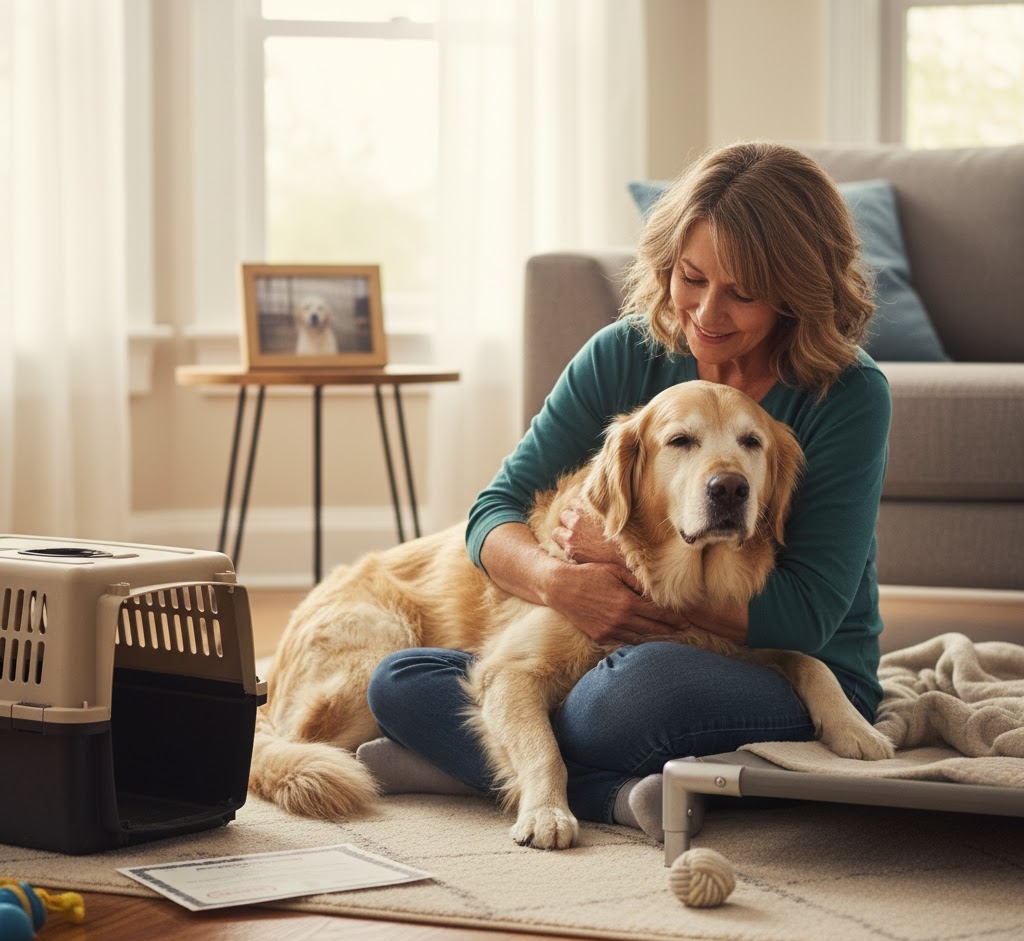
What Changes in the Senior Dog Brain?
Many “behavior problems” in older dogs aren’t stubbornness — they’re signal flares. Sleep cycles can shift, hearing and vision can fade, and cognitive processing can slow. That can look like pacing, staring, clinginess, nighttime vocalizing, accidents, or sudden anxiety. The goal isn’t to label your dog. The goal is to match the right support: calming routines, safer enrichment, medical rule-outs, and tools that help you track patterns.
Start Here: Choose What You’re Seeing
Pick the closest match — this jumps you to the best starting section.
If You Read One Guide First, Start Here

Dog Dementia vs. Normal Aging: Real Clues
Behavior examples owners actually see at home — and when it’s time to bring changes up with your vet.
Start Here
Most helpful first moves:
• tighten routine (same meals, same walks, same lights-out)
• add calm cues (sound + scent enrichment)
• track patterns (when it happens, what triggers it)
• rule out pain/medical causes if behavior changes fast
Dementia: Signs, Differences, and What It Looks Like
Night Pacing & Sundowning
What it is, what triggers it, and what helps most at home.
How to use sound the right way when evenings get “sticky.”
Turn “random night issues” into trackable patterns you can act on.
Anxiety, Calming, and “My Dog Can’t Settle”
Supplements & Support (Evidence-Minded)
Tools That Help (Right Now)
Use these when you need clarity fast — or when patterns are hard to describe.
Quick FAQs
Common questions owners ask — with the fastest “go here next” answers.
Is my senior dog’s confusion just normal aging?
Start with Dementia vs. Normal Aging — Real Clues. If behavior changed suddenly, use the Triage Helper.
Why does everything get worse at night?
That often matches sundowning patterns. Start with Understanding Canine Sundowning, then add sound support via Soothing Sounds.
What’s the safest way to try calming tools?
Use a consistent “calm stack”: routine + sound + scent enrichment. Start with Music Therapy + Scent Enrichment and the Calm Canine tool.
Content on GoldenPawsCare is written and reviewed using veterinary references, clinical guidelines, and real-world senior dog care experience.
Learn more about cognitive terms like Beta-Amyloid Plaques and Cognitive Dysfunction Syndrome in our senior mobility guides.