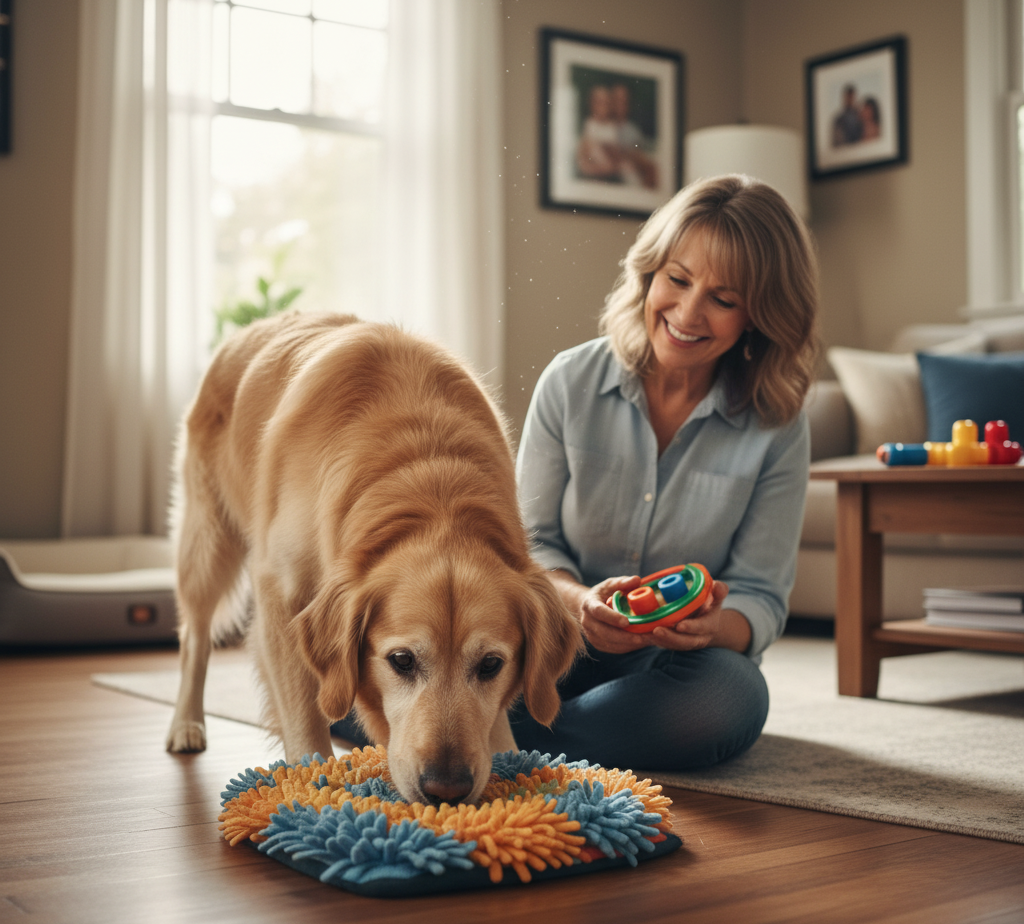
Brain Games for Senior Dogs
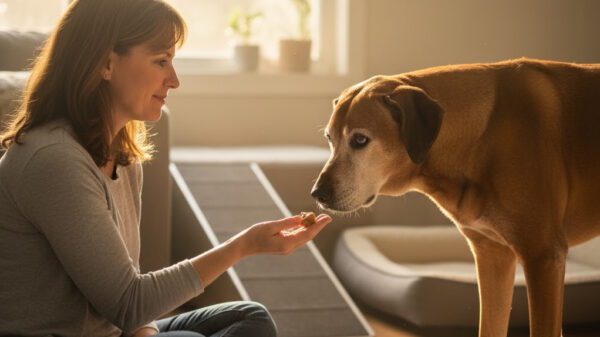
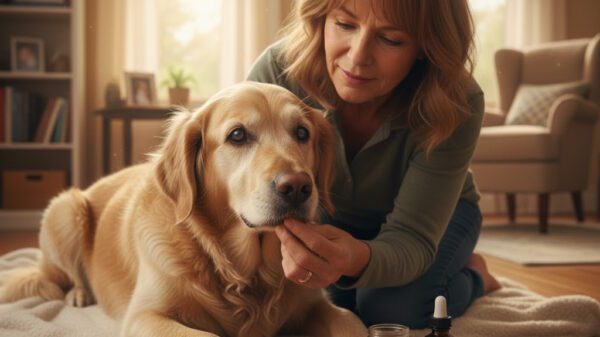
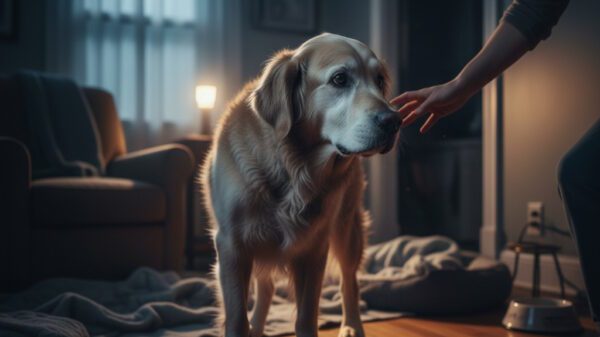
As our beloved dogs journey into their senior years, their world can begin to shrink. The long, rambling hikes become short, gentle strolls. Long, peaceful naps replace the boisterous games of fetch in a sunbeam. While their physical world contracts, their inner world—their intelligent, curious, and loving mind—still yearns for engagement. It’s a mind, just like our own, that needs exercise to stay sharp, resilient, and happy.
Often, we focus so much on our senior dog’s physical comfort that we forget to nurture their cognitive health. Yet, mental stimulation is one of the most powerful tools we have to improve their quality of life. It’s a way to combat boredom, build confidence, and strengthen our bond during their precious golden years.
Crucially, as we’ll explore, this “brain work” is also one of our best defenses against the fog of Canine Cognitive Dysfunction (CCD), also known as dog dementia. This guide is a heartfelt exploration of simple, joyful, low-impact ways you can keep your old friend’s mind active and engaged, right in the comfort of your own home.
In This Article
The “Use It or Lose It” Principle: Why Brain Games are Crucial for Seniors
The need for mental exercise doesn’t just continue with age—it becomes exponentially more important. A well-stimulated senior dog is often happier and healthier.
- Brain Health and Neuroplasticity: Every time a dog learns something new or solves a problem, their brain forms new neural pathways. This process, known as neuroplasticity, helps keep the brain resilient and adaptive. For seniors, this can mean building a “cognitive reserve” that may help delay the onset or slow the progression of cognitive decline.
- A Weapon Against Dementia (CCD): Mental enrichment is a cornerstone of managing Canine Cognitive Dysfunction. A brain that is regularly challenged is a brain that is more resistant to the confusion, anxiety, and disorientation that CCD can bring. Engaging activities provide structure and purpose, which can be incredibly grounding for a dog feeling lost.
- Combating Boredom and Depression: A dog whose physical limitations prevent them from their usual activities can easily become bored, lethargic, and even depressed. Brain games provide a vital outlet for their energy, giving them a “job” to do and a wonderful sense of accomplishment.
- Strengthening Your Precious Bond: These activities are not solo missions; they are shared experiences. The quiet focus, gentle praise, and teamwork involved in solving a puzzle or learning a new trick reinforce your connection in a beautiful, intimate way.
📚 Vet Insight: Why Brain Games Matter
Regular mental challenges increase cerebral blood flow and stimulate dopamine release — helping delay signs of canine cognitive decline. A 2012 study found that daily enrichment and antioxidant diets improved cognition and learning in older dogs.
Source: Landsberg G et al., “Therapeutic Strategies for Managing Cognitive Dysfunction,” Canine Pract., 2012.
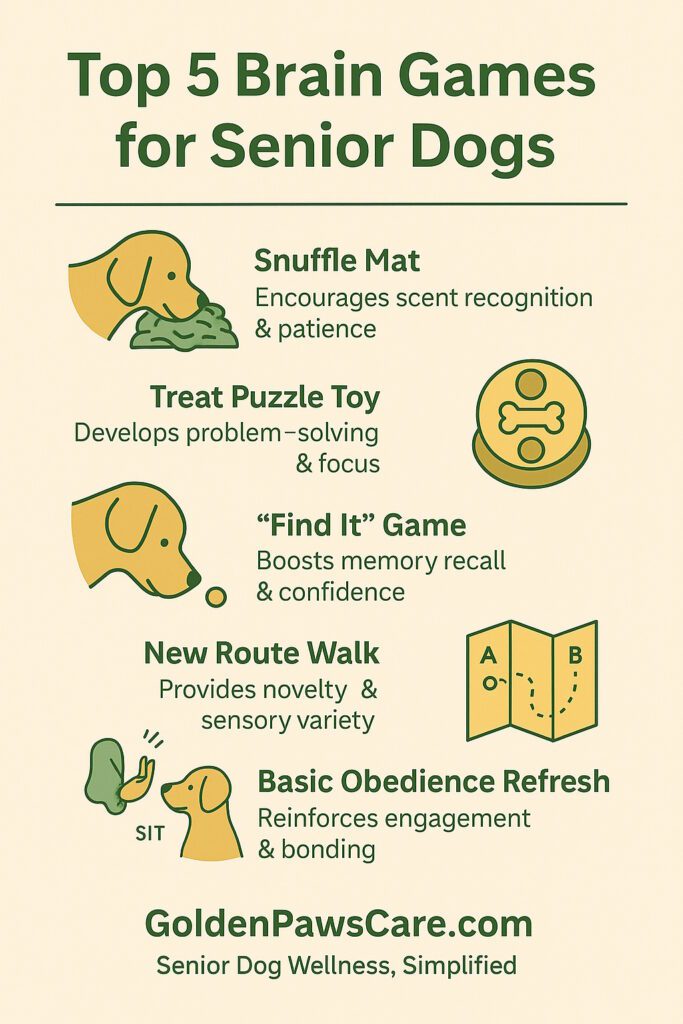
🧠 Trusted Enrichment Tools for Senior Dogs
- Outward Hound Snuffle Mat — gentle scent-based challenge for daily mental exercise
- Nina Ottosson Puzzle Brick — fun, intermediate-level puzzle for memory work
- KONG Senior Toy — safe enrichment with light resistance to engage the mind and mouth
*Affiliate disclosure: GoldenPawsCare may earn from qualifying purchases, helping support senior-dog wellness education.
The Senior-Friendly Brain Game Toolkit
The best activities for senior dogs are low-impact on the body but high-impact on the brain. Here are a few vet-recommended game categories you can start today.
1. The Joy of Puzzles (Low-Impact, High-Reward)
Puzzle toys are perfect for seniors because they challenge the mind without stressing the joints. They encourage problem-solving, focus, and the use of their instincts.
- A few brain games for senior dogs to check out (Each puzzle toy idea below is clickable)
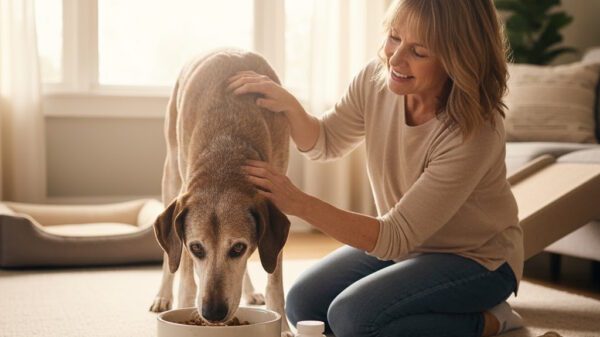
- Snuffle Mats: These are fabric mats featuring multiple flaps and folds, allowing you to hide dry kibble or treats for your pet. Your dog must use their nose to hunt for every last piece. It turns mealtime from a 30-second affair into a 15-minute brain game.
- Interactive Puzzles: Brands like Nina Ottosson create wonderful puzzles with different levels of difficulty. Start with a Level 1 puzzle, which might require a simple nudge or slide to reveal a treat. These are fantastic for building confidence.
- Food-Dispensing Toys: A classic KONG filled with something delicious or a food-dispensing ball can provide gentle, rewarding stimulation.
2. The Power of Scent (Nose Work for Old Noses)
A dog’s sense of smell is their superpower. Even as their hearing and sight may begin to fade, their sense of smell often remains incredibly sharp. Scent work is a perfect, confidence-boosting activity.
- The “Shell Game”: Take three plastic cups, place a smelly treat under one, and shuffle them around. Let your dog sniff out which cup hides the prize.
- The Muffin Tin Game: Place a few treats in a muffin tin and cover each cup with a tennis ball or another toy. Your dog has to figure out how to remove the ball to get the reward.
- “Find It”: Start simple. Have your dog sit and stay while they watch you “hide” a treat a few feet away. Release them with a “Find it!” command. As they get the hang of it, you can hide treats in other rooms to encourage them to truly use their sense of smell.
3. Old Tricks, New Joy (Gentle Training Refreshers)
You absolutely can teach an old dog new tricks, and doing so is like a crossword puzzle for their brain. The key is to keep it gentle, positive, and low-impact.
- Focus on Stationary Tricks:
- “Touch”: Teach them to touch their nose to the palm of your hand. You can then move your hand to different positions to make it a gentle stretching game.
- “Watch Me”: Reinforce eye contact to help maintain focus and foster bonding.
- Paw Lifts or Gentle Spins: If their mobility allows, simple paw lifts (“shake”) or slow, careful spins can be great.
- Keep Sessions Short and Sweet: Aim for just 5 minutes, once or twice a day. Seniors often have shorter attention spans and tend to tire more easily.
- Always End on a High Note: Ensure the last thing you do is a trick they know well so that you can conclude with success and lots of praise.
Integrating Enrichment into Daily Life
Mental stimulation doesn’t have to be a scheduled event; it can occur naturally. You can weave it into your daily routine.
- The “Sniffy Walk”: Don’t make every walk a mission to get from Point A to Point B. Allow your senior to lead the way and sniff as much as they desire. Sniffing is how dogs “read the news” of the neighborhood; it is an intensely mentally stimulating activity.
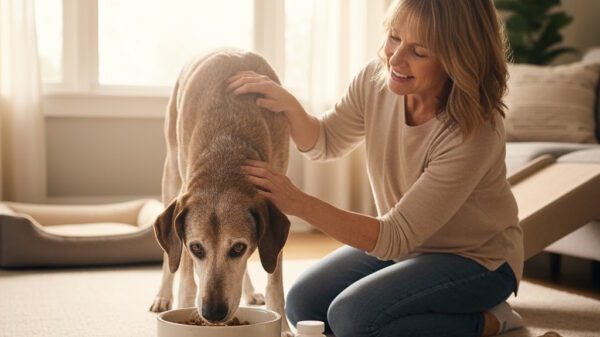
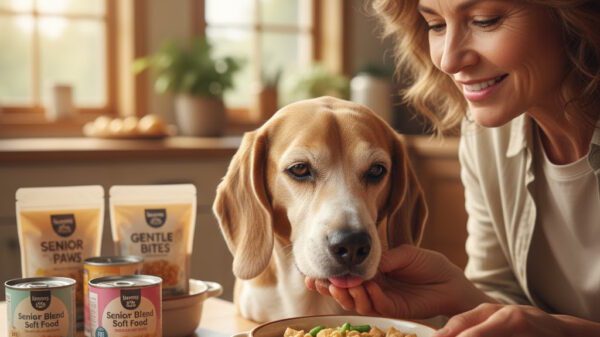
- Ditch the Food Bowl: Instead of just placing a bowl on the floor, feed every meal from a snuffle mat or a food-dispensing toy. This simple change provides 20-30 minutes of enrichment every single day.
- Introduce Novelty: Bring a new object into the house for them to investigate—a cardboard box, a paper bag (with the handles removed), or a new blanket with a different texture.
Know When to Stop: Reading the Signs
The goal is enrichment, not frustration. It’s crucial to watch your senior dog for signs of tiredness, confusion, or stress. These can include:
- Excessive yawning or lip-licking.
- Turning their head away or avoiding eye contact.
- Walking away from the game.
- Whining or showing signs of agitation.
If you notice these signals, it’s time to end the session on a positive, easy note and let them rest. The golden rule is to always stop before they get tired or frustrated.
🔗 More Mental & Emotional Wellness Reads
🩺 Dr. Kent Answers Your Brain-Game Questions
How long should a brain-game session last?
Start with 5–10 minutes and gradually build up. End while your dog is still interested, not frustrated.
Can enrichment really delay dementia?
Yes. Studies show environmental enrichment can slow the onset and severity of cognitive decline in aging dogs.
What if my senior gets anxious with new toys?
Stick with familiar scents and textures first. Keep novelty gentle and rewarding — anxiety blocks learning.
Responses reviewed by Dr. Sarah Kent, DVM — Veterinary Behavior & Enrichment Specialist.
— Dr. Sarah Kent, DVM
A Commitment to Joy
Engaging your senior dog’s mind is a beautiful and profound commitment to their happiness. It’s a way of telling them that, even though their bodies are slowing down, their minds, spirits, and importance in your life are as vibrant as ever. In these quiet, focused moments of play and partnership, you are not just staving off cognitive decline; you are creating precious, joyful memories that will warm your heart for years to come.