Managing Canine Arthritis
Watching our once-vibrant dogs slow down and struggle with mobility is one of the toughest parts of sharing our lives with them. Canine arthritis, or osteoarthritis, is an insidious and progressive disease that causes chronic pain, stiffness, and reduced quality of life for millions of dogs worldwide. While it’s heartbreaking to witness, the good news is that arthritis is manageable. However, well-meaning owners often make common mistakes that can inadvertently worsen their dog’s condition or delay effective treatment.
As an expert who has worked closely with countless arthritic dogs and their devoted families, I understand the desire to help and also the confusion that can arise when navigating this complex condition. This article is designed as a compassionate, practical guide—a “do this instead” roadmap—to help you avoid common pitfalls and provide the best possible care for your arthritic companion. My goal is to empower you to enhance their comfort, mobility, and overall happiness, ensuring their golden years are as pain-free and joyful as possible.
Studies show that up to 80% of dogs over age 8 experience some level of osteoarthritis — and many are under-treated due to owner misunderstanding. (Source: American College of Veterinary Surgeons, 2023)
In This Guide
Understanding Canine Arthritis: More Than Just “Getting Old”
First, let’s clarify: arthritis isn’t just a sign of “getting old.” It’s a debilitating joint disease characterized by cartilage breakdown, inflammation, and bone changes within the joint. This leads to pain, reduced range of motion, and stiffness, especially after rest or in cold weather. It’s crucial to acknowledge that it is painful, and your dog isn’t just being lazy or stubborn.
Now, let’s dive into the top mistakes and, more importantly, what you can do instead.
⚠️ Common Mistakes in Arthritis Care — and What to Do Instead
| Mistake | Why It’s a Problem | Better Approach |
|---|---|---|
| Relying only on pain meds | Meds reduce symptoms but don’t slow joint damage. | Add supplements, controlled movement, and weight management. |
| Skipping exercise | Rest worsens stiffness and muscle loss. | Encourage gentle daily walks or hydrotherapy. |
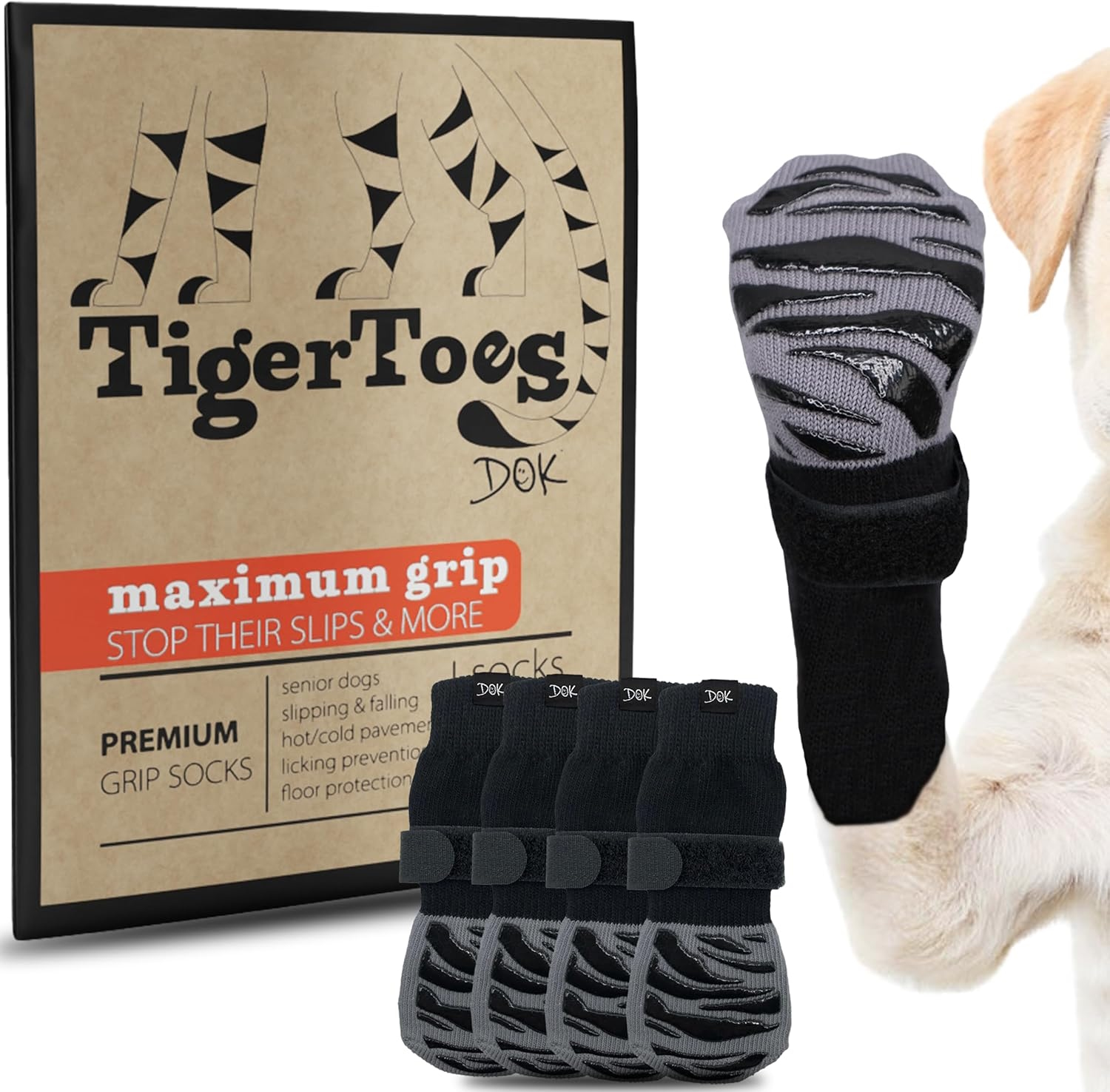
| Using slick flooring | Slipping increases joint strain and anxiety. | Add rugs, traction socks, or foam mats in key areas. |
| Ignoring weight gain | Extra pounds multiply stress on arthritic joints. | Feed measured, low-calorie meals and monitor body condition. |
| Delaying vet follow-ups | Progressive damage often goes unnoticed. | Schedule 2–3 arthritis checkups per year to adjust care plan. |
🛒 Arthritis Care Tools Recommended by Vets
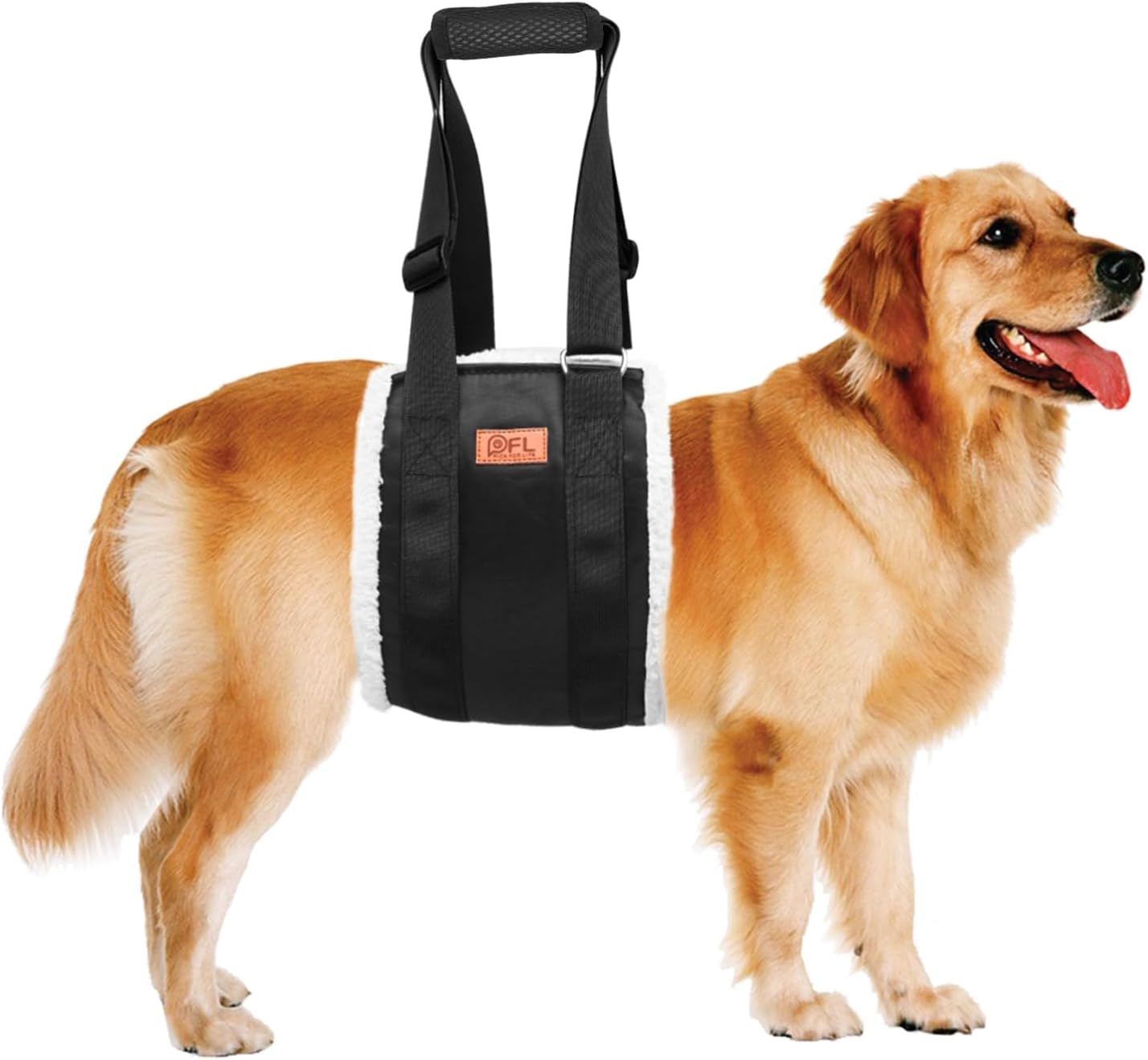
Support your dog’s comfort with vet-approved products: orthopedic beds, lift harnesses, traction socks, and joint supplements.
View Recommended ProductsAs an Amazon Associate, we earn from qualifying purchases.
Mistake #1: Believing “Limping is Normal for Old Dogs” or “They’re Just Slowing Down”
This is perhaps the most dangerous misconception. Many owners attribute stiffness or a slight limp to normal aging, delaying a crucial diagnosis. Pain is never normal. Your dog is likely suffering in silence.
- Do This Instead:
- Recognize the Subtle Signs: Look for signs such as reluctance to jump, difficulty with stairs, slower walks, lagging behind, difficulty getting up after resting, irritability, licking joints, or changes in posture.
- Seek Veterinary Diagnosis Immediately: Schedule a vet visit as soon as you notice any signs. Early diagnosis of canine arthritis allows for earlier intervention, which can significantly slow progression and improve your dog’s quality of life for years to come. Your vet can perform a physical exam, take X-rays, and discuss a comprehensive management plan.
Vet Visit vs. Home Care
- Call your vet now if: sudden limping, yelping, non-weight-bearing, fever, or behavior change.
- Home management fits when: slow, chronic stiffness that improves with light movement and no acute pain.
- Expect a plan: exam ± radiographs, weight target, NSAID/analgesic strategy, rehab referral.
Mistake #2: Not Prioritizing Weight Management
Excess weight is one of the single greatest contributors to joint pain and the progression of arthritis. Every extra pound puts immense strain on already compromised joints, amplifying pain and accelerating cartilage degeneration.
- Do This Instead:
- Achieve and Maintain a Lean Body Condition: Work with your vet to determine your dog’s ideal weight and create a tailored feeding plan. This almost always involves reducing caloric intake, choosing appropriate senior-specific diets, and careful portion control.
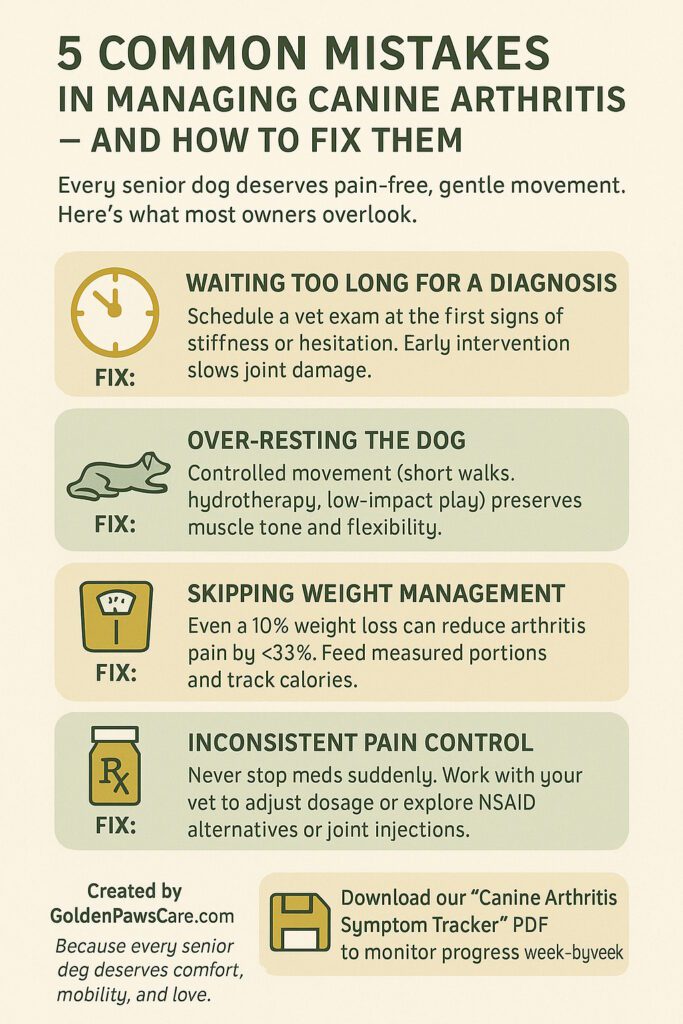
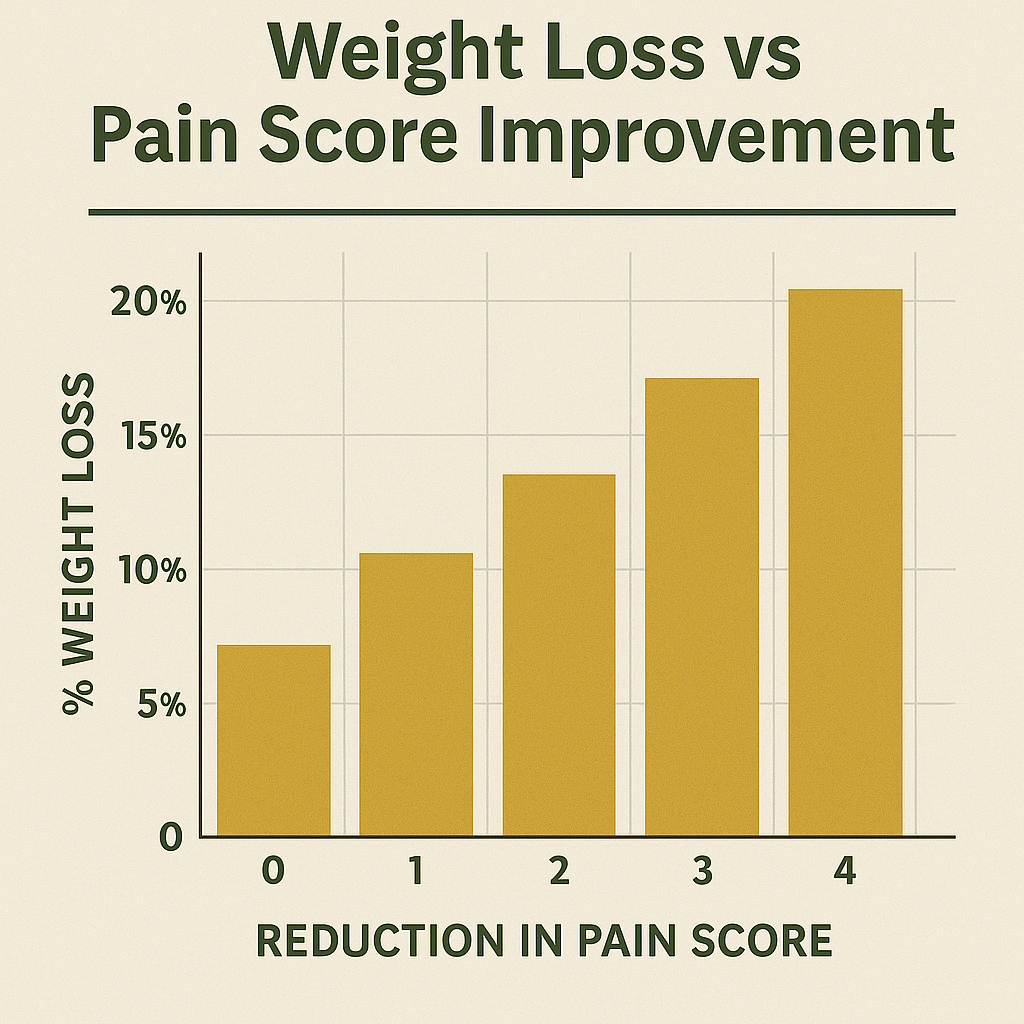
- Measure Food Accurately: Don’t eyeball it! Use a measuring cup or a kitchen scale to ensure precise portions. Cut back on high-calorie treats and opt for healthy, low-calorie alternatives, such as baby carrots or green beans. Even a 5-10% weight reduction can lead to a dramatic improvement in comfort.
🐾 Did you know?
Research shows that losing just 10% of body weight can cut arthritis pain by 33%
(Marshall et al., 2010).
Mistake #3: Eliminating All Exercise or Over-Exercising on “Good Days”
It’s tempting to either stop all activity to prevent pain or to push an arthritic dog on days they seem better. Both extremes can be detrimental. Inactivity leads to muscle atrophy and joint stiffness, while over-exertion can cause acute flare-ups and further joint damage.
- Do This Instead:
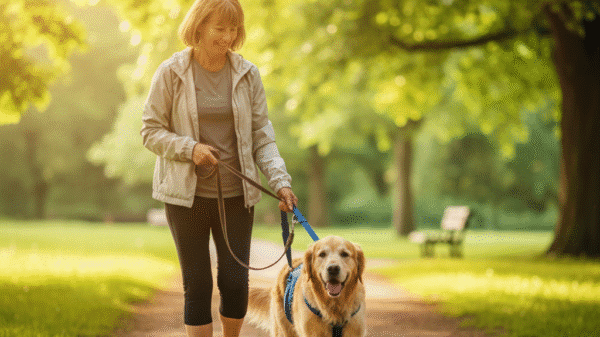
- Embrace Consistent, Low-Impact Exercise: The key is controlled, regular movement. Short, frequent walks on soft surfaces (grass, dirt trails) are ideal.
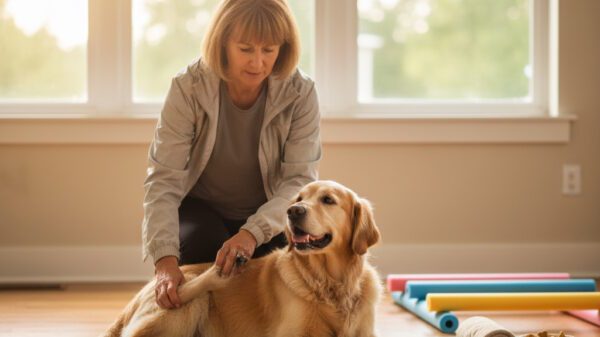
- Incorporate Therapeutic Exercises: Ask your vet or a certified canine rehabilitation therapist about gentle range-of-motion exercises, passive stretching, or controlled leash walks.
- Consider Hydrotherapy: Swimming or underwater treadmill therapy provides excellent, non-weight-bearing exercise that strengthens muscles without stressing joints.
Mistake #4: Relying Solely on Over-the-Counter Supplements Without Veterinary Guidance
Many owners turn to joint supplements, which can be beneficial, but often do so without veterinary consultation, choosing inappropriate products or expecting them to be a standalone cure.
- Do This Instead:
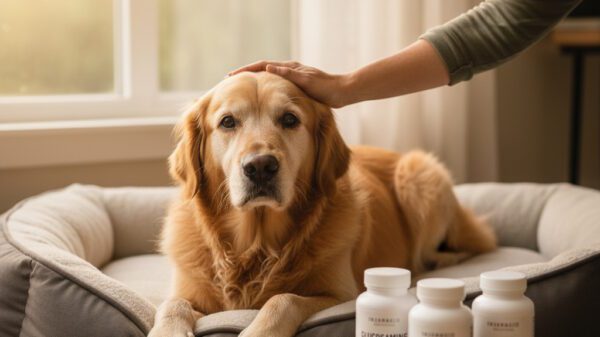
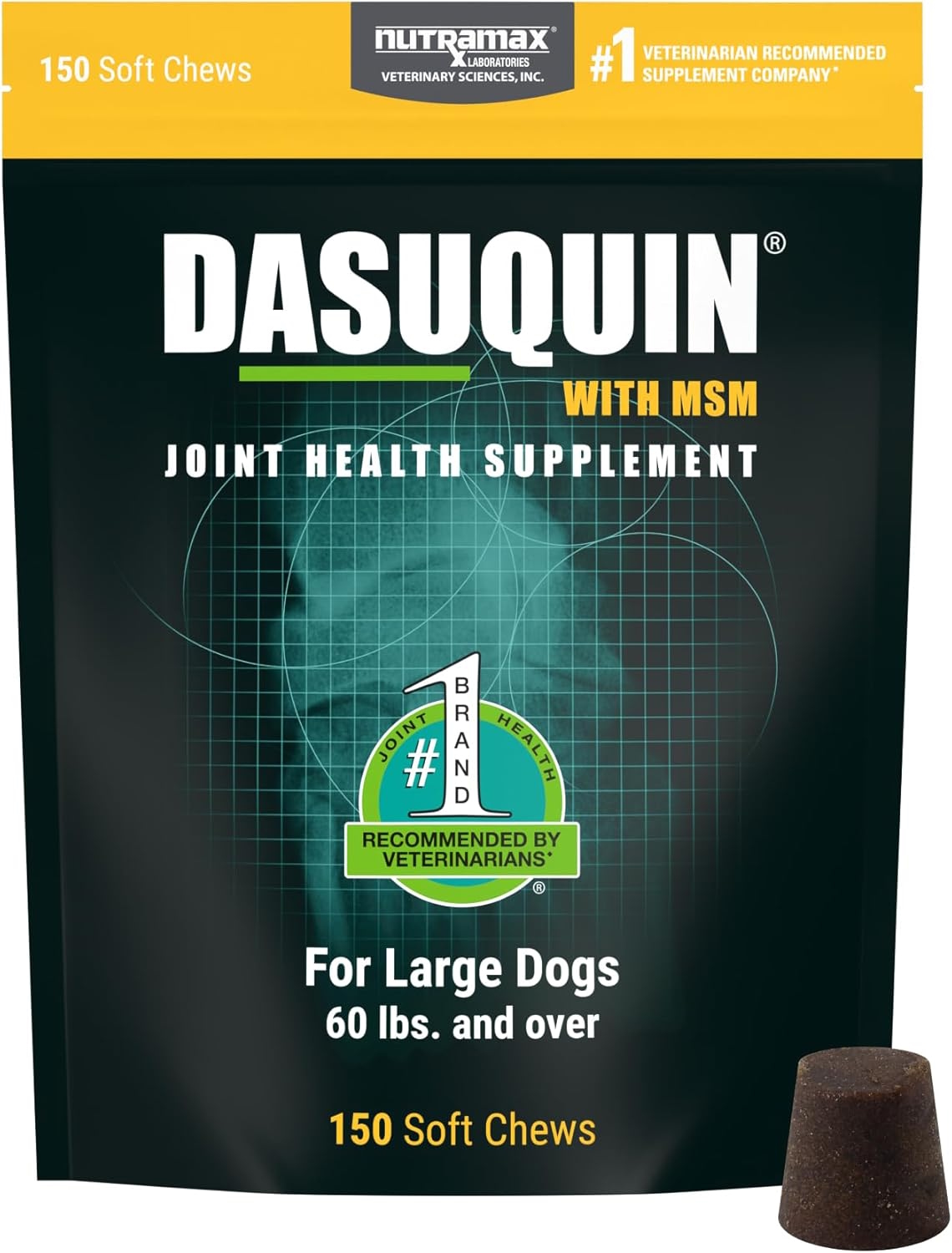
- Discuss Supplements with Your Vet: Your veterinarian can recommend high-quality, vet-approved joint supplements (such as glucosamine, chondroitin, MSM, Omega-3 fatty acids, turmeric, and green-lipped mussel) formulated for efficacy and safety.
- Understand Their Role: Supplements are supportive, not curative. They help reduce inflammation and protect cartilage, but are rarely sufficient on their own for significant arthritis pain. Think of them as part of a multi-modal approach.
- Prioritize Quality: The pet supplement industry is not heavily regulated. Choose brands with scientific backing and third-party quality control.
Mistake #5: Not Adequately Managing Pain with Prescription Medication
Fear of side effects or a misunderstanding of chronic pain often leads owners to under-medicate or avoid prescription pain relief altogether, leaving their dog suffering unnecessarily.
- Do This Instead:
- Work with Your Vet on a Pain Management Plan: Non-Steroidal Anti-inflammatory Drugs (NSAIDs) are often the cornerstone of arthritis pain management. When used correctly under vet supervision, the benefits of pain relief far outweigh the risks for most dogs.
- Explore Adjunctive Therapies: Your vet may combine NSAIDs with other medications, such as gabapentin (for nerve pain), amantadine, or canine-specific monoclonal antibody injections (e.g., Librela), for sustained pain relief.
- Never Use Human Pain Meds: Drugs like ibuprofen or acetaminophen are toxic to dogs. Always use veterinary-prescribed medications.
- Regular Monitoring: Your vet will recommend regular blood work to monitor organ function while on NSAIDs, ensuring safe and effective use.
Veterinary Note: Arthritis management works best with a vet-guided plan—exercise, home surfaces, weight goals, and supplements reviewed together. ACVS.
Mistake #6: Neglecting Environmental Modifications at Home
Smooth floors, stairs, and inaccessible comfy spots can exacerbate pain, cause slips, and lead to a dog’s loss of confidence and independence.
- Do This Instead:
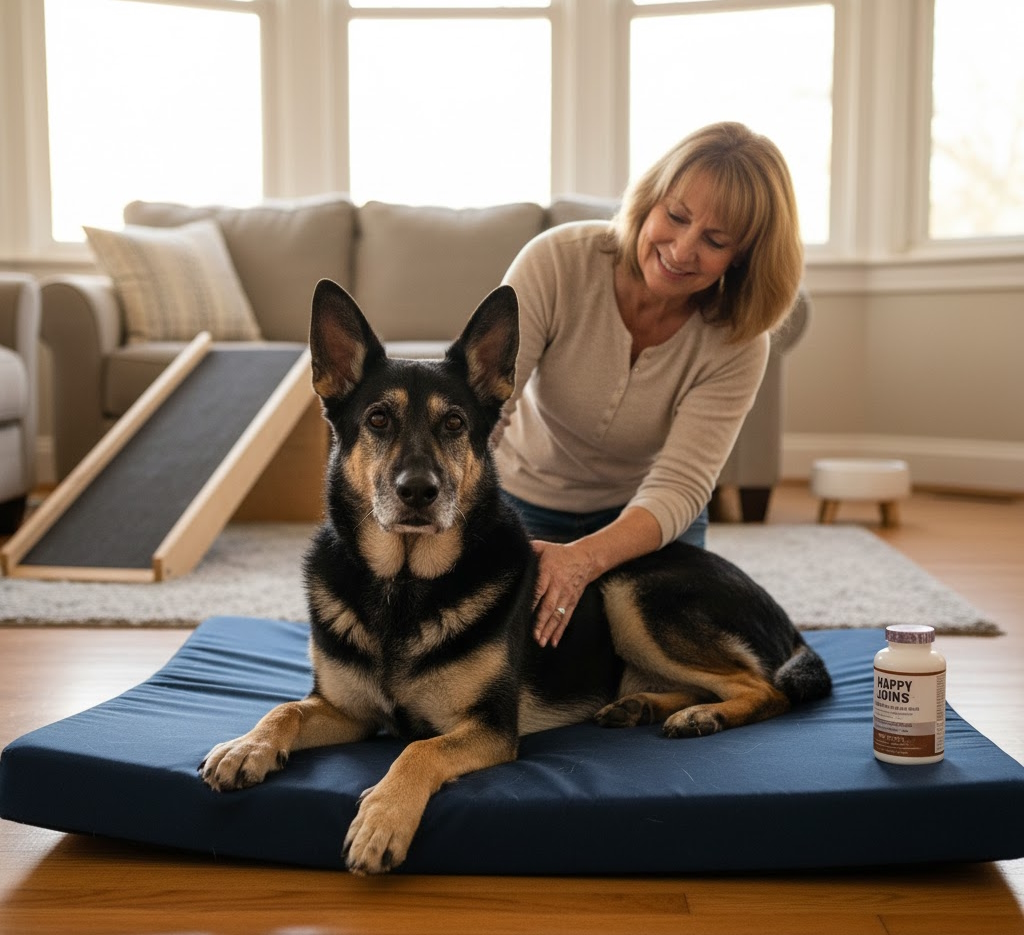
- Provide Traction: Lay down non-slip rugs or carpet runners on hardwood, tile, and laminate floors.
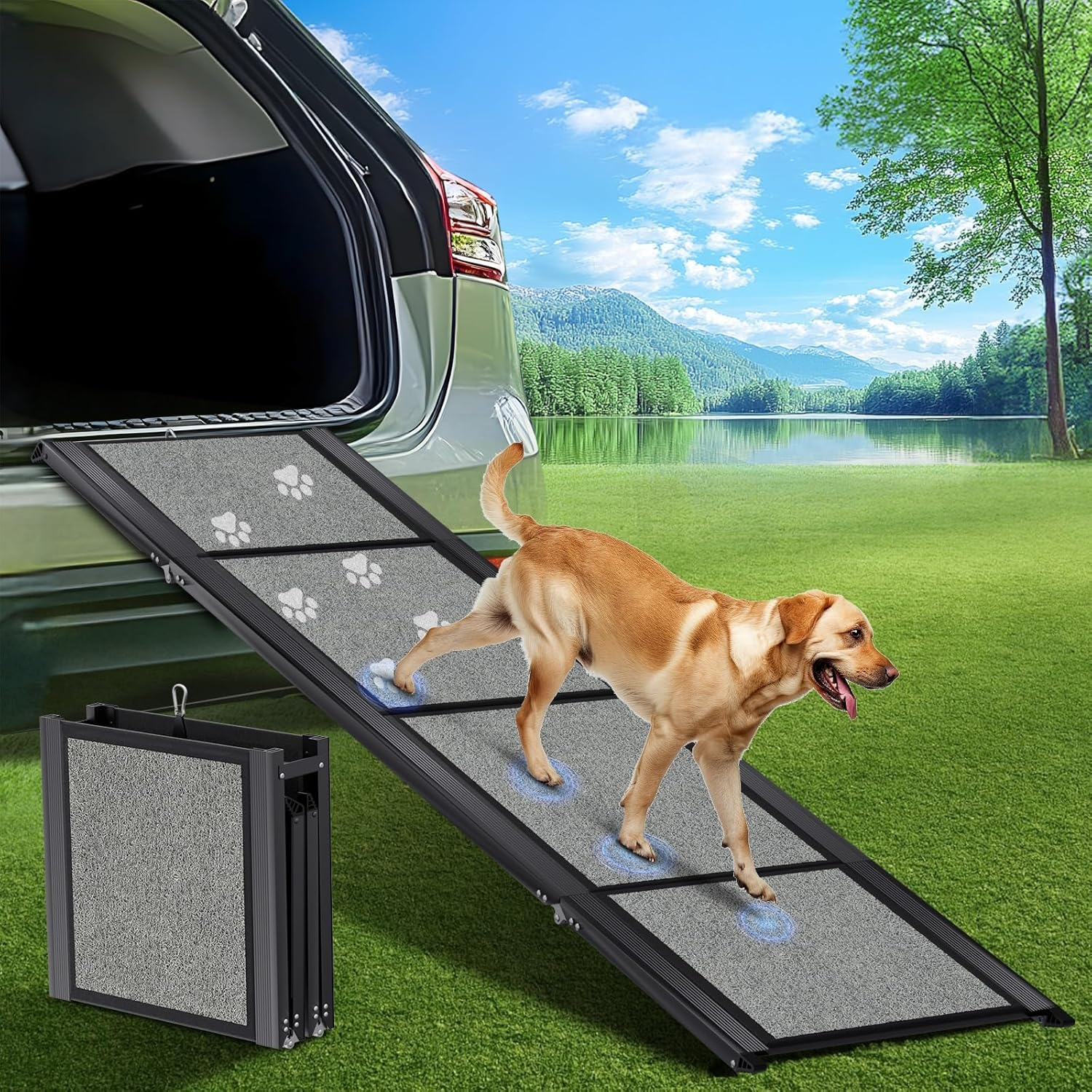
- Use Ramps or Stairs: Provide ramps for beds, couches, and cars to reduce the strain on joints. Use gates to block stairs if they’re hazardous.
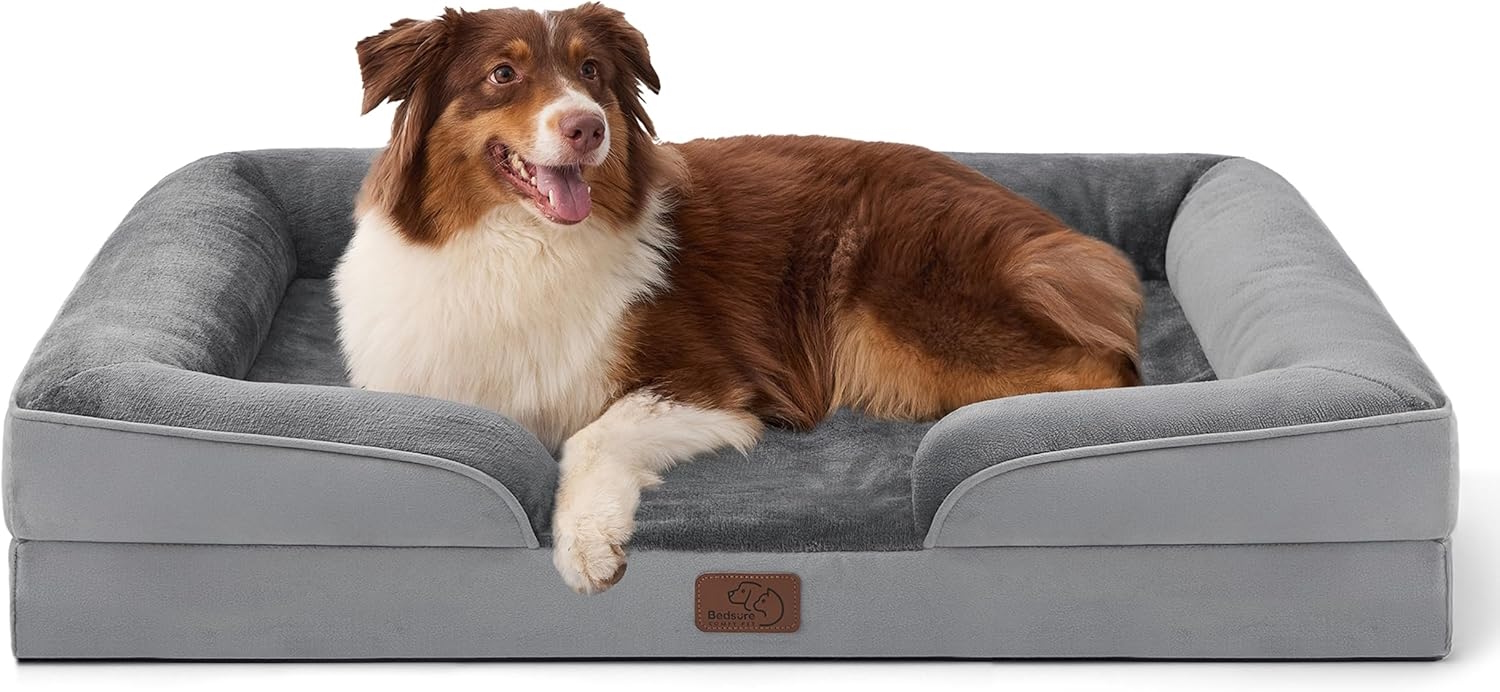
- Offer Orthopedic Bedding: Invest in a supportive, thick, orthopedic bed that cushions joints and keeps them warm.
- Elevated Bowls: For dogs with neck or shoulder arthritis, elevated food and water bowls can make eating more comfortable.
- Consider Paw Grips/Socks: Products like ToeGrips or non-slip socks can significantly improve traction on smooth surfaces (as discussed in a previous article!).
Mistake #7: Not Considering Physical Rehabilitation or Alternative Therapies
Many owners overlook the powerful benefits of physical therapy and other complementary treatments, which can significantly improve mobility and reduce pain.
- Do This Instead:
- Seek a Certified Canine Rehabilitation Professional: Similar to human physical therapy, canine rehab can involve tailored exercises, therapeutic massage, laser therapy, acupuncture, pulsed electromagnetic field therapy, and more. This can strengthen supporting muscles, improve joint flexibility, and reduce pain.
- Explore Acupuncture or Chiropractic Care: For some dogs, these alternative therapies, performed by a certified veterinary professional, can provide significant pain relief and improve comfort.
Mistake #8: Not Being Patient or Adjusting Expectations
Managing canine arthritis is a marathon, not a sprint. There’s no quick fix, and progress can be slow and sometimes frustrating. It requires ongoing commitment and flexibility.
- Do This Instead:
- Develop a Long-Term Management Plan: Work with your vet to create a comprehensive, multi-modal plan that includes diet, exercise, medication, and environmental adjustments. Understand it’s an ongoing process.
- Be Patient and Observe: It can take time to find the right combination of therapies. Keep a journal of your dog’s good days and bad days, their activity levels, and responses to medication/supplements. Share this information with your vet.
- Focus on Quality of Life: Your ultimate goal is to reduce pain and enhance their daily enjoyment. Celebrate small victories, like a more comfortable walk or an easier time getting up.
🐾 Best Arthritis Relief Products for Senior Dogs
| Product | Key Benefit | Action |
|---|---|---|
| Glucosamine + chondroitin + MSM combo for mobility and comfort. | Check Price → | |
| Gentle, non-slip incline for cars and higher entries; easier on sore joints. | Check Price → | |
| Supportive foam base relieves pressure points and improves sleep quality. | Check Price → | |
| Improves traction on slick floors to prevent slips and flare-ups. | Check Price → | |
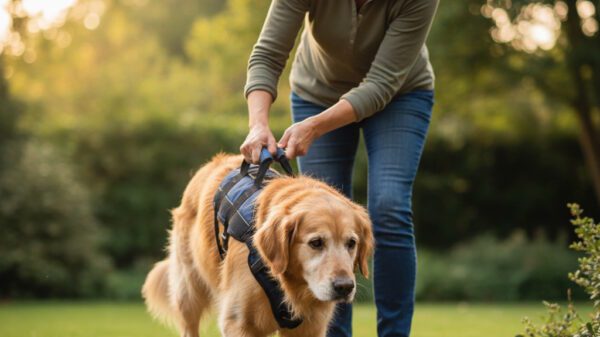
| Secure rear-leg assist for stairs, porch steps, and potty breaks. | Check Price → |
As an Amazon Associate, GoldenPawsCare earns from qualifying purchases.
“Arthritis isn’t just about pain — it’s about mobility confidence. Every adjustment you make at home gives your senior dog another reason to move without fear.”
— Dr. Sarah Kent, DVM
🐾 Canine Arthritis FAQ
What are the first signs of arthritis in dogs?
Can arthritis in dogs be cured?
What is the best treatment for arthritis in senior dogs?
Does cold weather make arthritis worse in dogs?
When should I see a vet about my dog’s joint pain?
Your Dog Deserves a Pain-Free Golden Age
Managing canine arthritis effectively requires diligence, education, and an unwavering commitment to your dog’s well-being. By avoiding these common mistakes and actively implementing a comprehensive, veterinarian-guided approach, you can dramatically improve your dog’s comfort, extend their active life, and deepen the incredible bond you share. Your senior dog deserves to live out their golden years with dignity, comfort, and as much joy as possible. It’s a journey of love, and every mindful step you take makes a profound difference.