Protein Rotation in Senior Dog Diets
For years, the conventional wisdom in dog nutrition was simple: find a high-quality food your dog loves and stick with it. The idea of changing foods regularly was often met with warnings of upset stomachs and picky eaters. But as our understanding of canine physiology, gut health, and immunology deepens—especially for our aging companions—a new, more holistic philosophy is gaining significant traction: Protein Rotation in Senior Dog Diets.
As someone who has spent countless hours researching, formulating, and personally managing diets for senior dogs, I’ve seen firsthand the profound benefits of thoughtful dietary variety. It’s more than just preventing boredom; it’s a strategic approach to optimizing health, bolstering immunity, and potentially mitigating the development of food sensitivities. This article will dive into the importance of protein rotation for your senior dog, examining the science behind it, its practical benefits, and how to implement it safely and effectively to ensure their golden years are as vibrant and healthy as possible.
In This Guide
Beyond the Bowl: Why “Set It and Forget It” Falls Short
While feeding the same “complete and balanced” diet daily might seem convenient, it presents several potential drawbacks, especially for senior dogs whose bodies are undergoing significant changes:
- Monotonous Nutrient Profile: Even the best single food can’t provide the full spectrum of micronutrients and amino acids found in diverse protein sources (e.g., beef, chicken, lamb, fish, or novel proteins like duck or venison). Each protein brings a unique nutritional fingerprint.
- Increased Risk of Food Sensitivities/Allergies: Constant exposure to the same protein over the years can, in some dogs, lead the immune system to develop an adverse reaction. This can manifest as itchy skin, ear infections, or gastrointestinal issues (such as vomiting and diarrhea). Senior dogs, with their often compromised immune systems, may be more susceptible to developing these issues.
- Gut Microbiome Diversity: A varied diet supports a more diverse and resilient gut microbiome. The gut is often called the “second brain” and plays a crucial role in immunity, digestion, and even mood regulation. A restricted diet can lead to a less diverse gut flora, potentially impacting overall health.
- Palatability and Engagement: While not the primary driver, let’s be honest—even humans get bored eating the same thing every day! For senior dogs whose appetites might be finicky or whose senses are dulling, a change in flavor and texture can rekindle their enthusiasm for mealtime.
| Senior Health Status | Rotation Approach | What to Buy | Notes |
|---|---|---|---|
| Healthy senior | Rotate 2–3 proteins (e.g., chicken → salmon → turkey) every 4–8 weeks. | Complete & balanced senior formulas; optionally add single-ingredient toppers. | Track stool quality, itch, gas, appetite during each phase. |
| History of GI sensitivity | Rotate fewer proteins; extend phases (6–12 wks); change one variable at a time. | Limited-ingredient diets; single-protein toppers. | Add prebiotic fiber; record reactions; consult vet if repeated soft stool. |
| CKD (kidney disease) | Rotation only under vet guidance; prioritize renal-appropriate, lower-phosphorus options. | Vet-prescribed renal diets; avoid high-phosphorus fish toppers unless approved. | Monitor BUN/creatinine, phosphorus, appetite; avoid DIY tweaks. |
| Pancreatitis history | Keep fat low-to-moderate; rotate lean proteins only; extend transition time. | Low-fat therapeutic diets; lean turkey/whitefish if vet approves. | Avoid high-fat red meats/salmon skins; watch for flare symptoms. |
| Confirmed food allergy | No rotation unless guided by elimination diet results. | Hydrolyzed or novel protein per vet plan. | Maintain a strict diet journal; reintroductions are controlled trials. |
- Days 1–2: 75% current / 25% new protein
- Days 3–4: 50% / 50%
- Days 5–6: 25% / 75%
- Days 7–10: 100% new; extend if stool softens
The Science of Variety: Why Protein Rotation Works
The rationale behind protein rotation is rooted in several scientific principles:
- Nutrient Synergies and Deficiencies: Different proteins offer varying amino acid balances, as well as different levels of vitamins (e.g., B vitamins, vitamin K), minerals (e.g., iron, zinc, selenium), and trace elements. By rotating, you’re more likely to ensure a broader intake of these vital components, allowing them to work synergistically and fill potential micro-deficiencies that might exist even in a “complete” single formula.
- Immune System Modulation: When the immune system is repeatedly exposed to the same protein antigens, it can become overstimulated or develop a specific hypersensitivity to those antigens. Rotating proteins helps keep the immune system “on its toes” without overexposing it to a single antigen, theoretically reducing the likelihood of developing an allergic response. This is especially relevant for senior dogs whose immune systems may be less robust.
- Gut Microbiome Health: Research increasingly highlights the importance of a diverse gut microbiome for overall health. A varied diet introduces different types of fibers and protein components, which act as prebiotics, feeding a wider array of beneficial gut bacteria. A healthy, diverse gut flora supports digestion, nutrient absorption, and a strong immune response.
- Inflammation Reduction: Some proteins, particularly certain fish, are rich in anti-inflammatory Omega-3 fatty acids. Regularly incorporating these can help manage chronic inflammation, a common issue in senior dogs with conditions like arthritis.
Implementing Protein Rotation in Senior Dog Diets: A Practical Guide
The idea of rotation can seem daunting, but it doesn’t have to be complicated. The goal is thoughtful, not haphazard, variety.
| Food / Topper | Protein Focus | Best For | |
|---|---|---|---|
| Senior Chicken Formula | Lean, familiar | Baseline rotation; picky eaters | Check Price |
| Senior Salmon Formula | Omega-3 rich | Coat/skin support; variety weeks | Check Price |
| Turkey or Whitefish LID | Single protein | Sensitivity trials; gentle weeks | Check Price |
- WSAVA Global Nutrition Committee — owner guidance & diet selection frameworks.
- AAHA Nutritional Assessment Guidelines — routine nutritional screening in seniors.
- NRC (2006) Nutrient Requirements of Dogs and Cats — protein/AA needs fundamentals.
- Tufts Cummings Vet Nutrition — clinical considerations for CKD/pancreatitis diets.
1. Define Your Rotation Strategy:
- Protein-by-Protein (Most Common): Rotate between different animal protein sources (e.g., chicken, lamb, beef, salmon, turkey, duck, venison).
- Brand Rotation: Stick to the same protein type (e.g., chicken) but rotate among brands that use slightly different formulations or sourcing methods. This can be more gentle for highly sensitive dogs.
- Life Stage/Formula Rotation: Less common for senior dogs, but some might rotate between different senior formulas within the same brand.
2. Choose Your Rotation Frequency:
- Weekly/Bi-Weekly: Change proteins every week or two. This is a common and effective frequency.
- Monthly: Change proteins every month.
- Bag-by-Bag: Finish one bag of food (one protein source), then buy a new bag with a different protein source. This is a simple starting point.
- Daily (Advanced): Some owners rotate daily, offering different proteins at different meals or mixing small amounts of protein to provide variety. This requires a very robust digestive system and careful monitoring.
3. Selecting Appropriate Foods for Senior Dogs:
- High-Quality, Digestible Proteins: Always prioritize high-quality, named protein sources. For seniors, ensure the protein is highly digestible.
- Consider “Novel Proteins”: If your dog has existing sensitivities, introducing novel proteins (e.g., venison, duck, rabbit, bison) that they haven’t eaten before can be beneficial.
- Senior-Specific Formulations: While rotating proteins, you can still choose foods specifically formulated for seniors, which often include joint support, appropriate calorie levels, and antioxidants.
- Consistency in Carbohydrates/Fats: For sensitive dogs, it can be helpful to keep the carbohydrate and fat sources relatively consistent while rotating only the protein. This provides variety where it counts most without too much disruption.
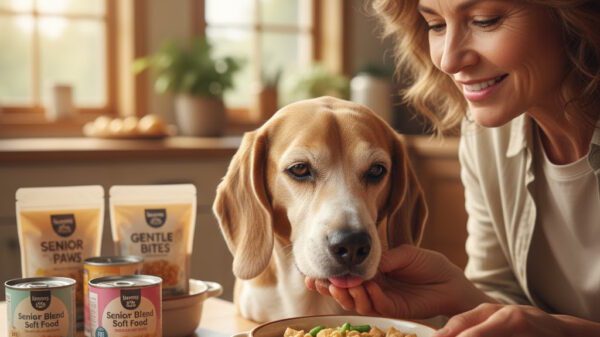
- Wet, Dry, or Mixed: Protein rotation can be achieved with kibble, wet food, raw food, or a combination of these. Wet food can be particularly beneficial for senior dogs with dental issues, and many of the best soft dog foods for senior dogs come in a variety of protein sources, making rotation easy.
4. The Transition Period: Crucial for Senior Stomachs:
This is arguably the most critical step, especially for older dogs whose digestive systems may be more delicate.
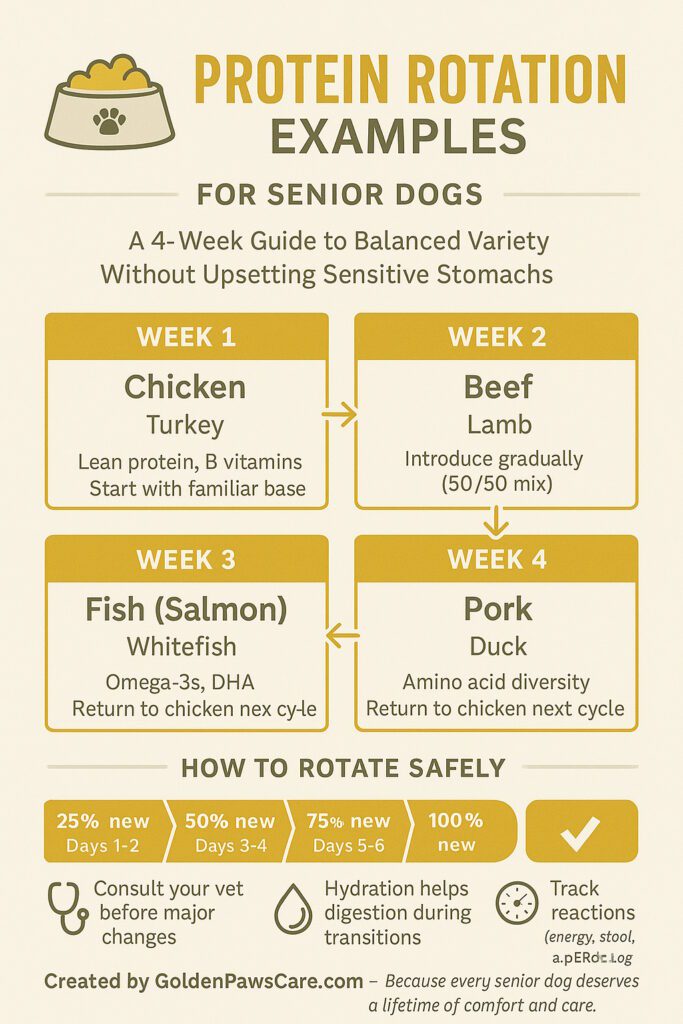
- Slow and Steady: When introducing a new protein, transition gradually over 7-10 days. Start by mixing 25% new food with 75% old food for a few days, then 50/50, then 75/25, until you’re feeding 100% new food.
- Monitor Closely: Watch for any signs of gastrointestinal upset (vomiting, diarrhea, gas) or skin issues (itching, redness). If you notice problems, slow down the transition or revert to the previous food and consult your vet.
Beyond Proteins: Broadening Dietary Diversity
While protein rotation is the focus, the principle of variety extends beyond just the main protein source:
- Varying Carbohydrates: Rotate between rice, sweet potato, peas, lentils, oats, etc. Different carbs offer different fiber profiles and glycemic indexes.
- Healthy Fats: Ensure a good source of Omega-3 fatty acids from fish oil or flaxseed.
- Fresh Food Additions: Incorporate small amounts of safe, fresh foods, such as cooked lean meats, plain yogurt, steamed vegetables (like green beans, carrots, or pumpkin), or berries. These can add enzymes, probiotics, and micronutrients.
- Probiotics/Prebiotics: These supplements can further support a healthy gut microbiome. This is part of a holistic approach to senior health, which may also include targeted aids such as natural supplements for dog dementia that support brain function through nutrition.
Sample 4-Week Protein Rotation Plan
| Week | Main Protein | Secondary Option | Key Nutrients & Benefits |
|---|---|---|---|
| 1 | Chicken | Turkey | Lean protein, B-vitamins — gentle starter for rotation |
| 2 | Beef | Lamb | Rich in iron & zinc — supports muscle and immune health |
| 3 | Fish (Salmon) | Whitefish | High in omega-3s (DHA/EPA) for joints and cognition |
| 4 | Pork | Duck | Amino acid diversity, flavor change — return to chicken next cycle |
Transition slowly: 25% new / 75% old → 50/50 → 75/25 → 100% over 7–10 days.
Important Considerations & When to Consult Your Vet:
- Existing Allergies/Sensitivities: If your dog has a diagnosed food allergy, avoid those specific proteins entirely. If they have sensitivities, introduce new proteins one at a time and monitor diligently. In these cases, a limited-ingredient diet with a novel protein might be a better starting point before considering rotation.
- Underlying Health Conditions: For dogs with kidney disease, pancreatitis, or severe IBD, dietary changes must always be supervised by a vet. Protein content and type may need to be carefully controlled.
- Monitor Stool & Energy: Pay attention to your dog’s stool quality (it should be firm and well-formed) and their energy levels. These are key indicators of how well they are tolerating their diet.
- Source Quality: Always choose high-quality dog food from reputable manufacturers, regardless of whether you’re rotating. Look for clear ingredient lists and transparent sourcing.
🐾 Protein Rotation FAQ
Q1: Does rotating proteins prevent food allergies?
A: There’s no direct proof it prevents allergies, but rotation helps reduce constant exposure to one ingredient — a factor that may lower the risk of sensitization over time.
Q2: How fast should I transition to a new protein?
A: Transition gradually over 7–10 days. Mix 25% new food at first, then 50%, 75%, and finally 100% new by the end of the week.
Q3: How often should I rotate proteins?
A: Every 2–4 weeks works well for most dogs, but go slower if your senior has digestive sensitivities.
Q4: Can all dogs handle protein rotation?
A: Most can, but those with kidney, liver, or pancreatic conditions should stay on vet-prescribed diets. Always consult your veterinarian before major diet changes.
“For most healthy seniors, thoughtful protein rotation keeps meals interesting and can support overall nutrition—just transition slowly and loop in your vet if there’s any medical history.”— Dr. Sarah Kent, DVM, Pet Nutrition Specialist
Protein Rotation — Common Questions
How often should I rotate proteins for a healthy senior?
Can rotation cause stomach upset?
Should dogs with kidney disease rotate proteins?
A Final Thought: A Journey of Discovery for Optimal Health
Embracing Protein Rotation in Senior Dog Diets is a proactive and enlightened step in managing your aging dog’s health. It moves beyond simply feeding to nourishing—providing a rich and varied spectrum of nutrients that support every system in the body, from the gut to the immune system to cognitive function. It acknowledges that, just as we do, our dogs thrive on thoughtful variety.
This approach requires a little more intentionality, but the reward is immense: a happier, healthier, and more resilient senior companion who looks forward to every meal as a delightful new adventure. It’s an act of deep love that ensures their golden years are truly golden.