Dog Dementia Supplements
Watching our beloved canine companions age can be a bittersweet experience. We cherish their wisdom and gentle presence, but we also begin to notice the subtle (or not-so-subtle) shifts that come with time. One of the most heartbreaking changes for many pet parents is the onset of Canine Cognitive Dysfunction Syndrome (CCDS), often referred to as “dog dementia.” It’s a condition that mirrors Alzheimer’s in humans, progressively affecting a dog’s memory, learning, awareness, and ability to interact.
The diagnosis of CCDS can leave us feeling helpless, desperate to find anything that might slow its progression or ease our dog’s confusion. While there’s no magic bullet to reverse aging, many pet owners turn to natural supplements, hoping to offer their furry friends a clearer, more comfortable senior life. But do these supplements truly work? As an expert with years of experience observing and understanding canine health, I aim to explore the science, anecdotes, and genuine hope behind natural approaches to managing dog dementia.
In This Guide
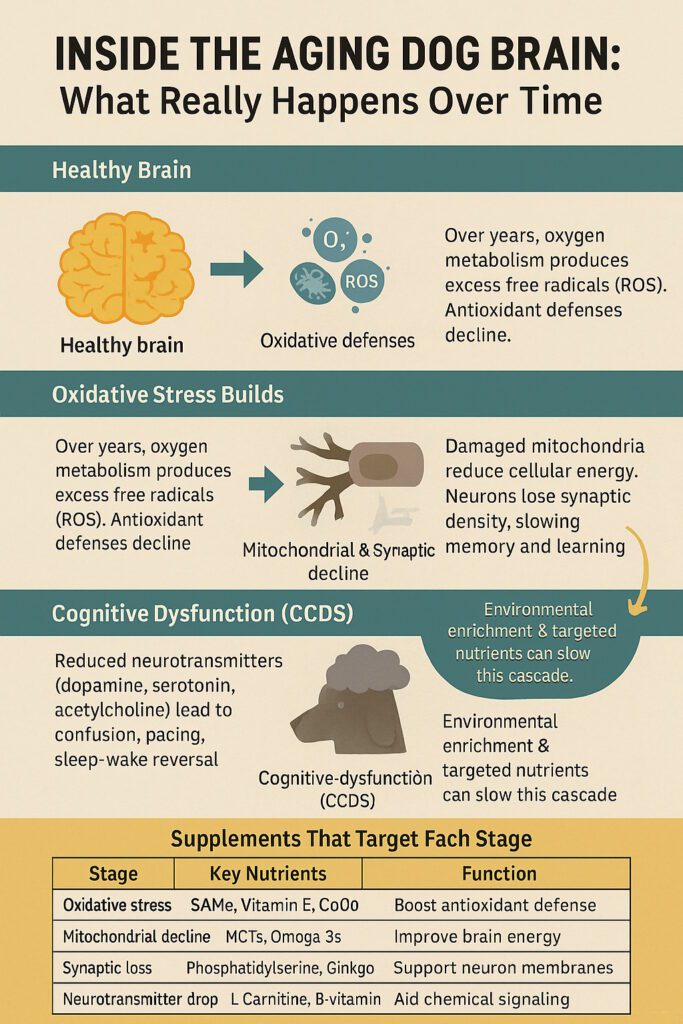
🧠 Key Brain-Support Ingredients (Senior Dogs)
What each ingredient does, and how strong the canine evidence is. Use with veterinary guidance for CCDS.
| Ingredient | Primary Mechanism | What It Targets | Evidence |
|---|---|---|---|
| SAMe (S-adenosyl-L-methionine) | Methyl donor; supports antioxidant enzymes and membrane turnover | Oxidative stress; alertness/engagement | Strong (Rème 2008)1 |
| Omega-3s (DHA/EPA) | Anti-inflammatory; membrane fluidity; synaptic signaling | Cortical/hippocampal signaling; behavior | Strong (Pan 2018)2 |
| MCTs (medium-chain triglycerides) | Ketone fuel source; supports mitochondrial energy when glucose use wanes | Mitochondrial decline; energy for neurons | Strong (Pan 2018)2 |
| Phosphatidylserine (PS) | Membrane phospholipid; aids synaptic function & signaling | Synaptic density; attention/working memory | Moderate (Araujo 2008; Heath 2007)3, 4 |
| Ginkgo biloba (often in blends) | Microcirculation; antioxidant effects | Synaptic signaling; attention | Limited (dog data mostly in combos)3 |
| Antioxidant Blends (Vit E/C, l-carnitine, ALA, CoQ10) | Reduce ROS; support mitochondria; protect membranes | Oxidative stress; learning/memory | Strong (Cotman 2002; beagle data)5 |
| B-Vitamins (B6, B12, folate) | Methylation & neurotransmitter co-factors; homocysteine control | Neurotransmitter synthesis; global brain support | Moderate (commonly in effective blends)3 |
Refs: 1 Rème CA et al., 2008, Vet Therapeutics. 2 Pan Y et al., 2018, Frontiers in Nutrition. 3 Araujo JA et al., 2008, Can Vet J (PS+Ginkgo+antioxidants); 4 Heath S et al., 2007, Vet Record (Aktivait® RCT); 5 Cotman CW et al., 2002, Neurobiology of Aging.
Understanding Canine Cognitive Dysfunction Syndrome (CCDS)
Before diving into supplements, it’s vital to understand what we’re up against. CCDS is a progressive neurodegenerative disorder affecting older dogs. It’s characterized by a decline in cognitive function beyond what’s expected from normal aging. Common signs include:
- Disorientation: Staring blankly, getting stuck in corners, wandering aimlessly, confusion about familiar surroundings.
- Altered Social Interactions: Less greeting, increased irritability, reduced desire for petting, or even increased clinginess.
- Sleep-Wake Cycle Disturbances: Restlessness at night, increased sleeping during the day.
- House-Soiling: Accidents indoors despite being previously house-trained.
- Activity Level Changes: Decreased exploration, less play, or increased pacing and agitation.
- Anxiety/Increased Vocalization: Whining, barking, or howling more frequently, especially at night.
If you observe these signs, your first step should always be a thorough veterinary check-up to rule out other medical conditions that can mimic CCDS symptoms, such as pain, vision or hearing loss, thyroid issues, or urinary tract infections. Once other conditions are ruled out, a diagnosis of CCDS opens the door to management strategies, which often include a combination of diet, environmental enrichment, medication, and, increasingly, natural supplements.
📊 How Common Is Canine Cognitive Dysfunction (CCDS)?
Cognitive decline in dogs is more common than most owners realize — and the risk rises sharply with age.
- 28% of dogs aged 11–12 years show signs of CCDS.
- 68% of dogs aged 15–16 years meet criteria for CCDS diagnosis.
- Early symptoms can appear as young as 8–9 years, especially in large breeds.
Sources: Salvin HE et al. (2011) Prevalence, risk factors, and behavioural associations of canine cognitive dysfunction, Veterinary Journal 190(3): 273–279; Fast R et al. (2013), Canine Cognitive Dysfunction: A Systematic Review, Vet Clin North Am Small Anim Pract 43(6): 1203–1219.
The Science Behind the Supplements: A Look at Key Players
The theory behind many natural supplements for CCDS is to combat oxidative stress and inflammation in the brain, improve cerebral blood flow, and support neurotransmitter function—all factors implicated in cognitive decline. Let’s examine some of the most commonly discussed options:
1. SAMe (S-Adenosylmethionine)
- What it is: SAMe is a naturally occurring compound found in every cell of the body. It plays a crucial role in many biochemical reactions, including neurotransmitter synthesis and liver function.
- How it’s believed to help: In the brain, SAMe helps maintain cell membrane fluidity, enhances receptor function, and acts as an antioxidant. Studies in dogs have shown that SAMe can improve mental alertness and reduce signs of cognitive dysfunction. It’s often praised for its neuroprotective and antidepressant-like effects.
- Evidence: There is good veterinary research supporting SAMe’s efficacy in improving signs of CCDS. It’s considered one of the more robustly studied supplements in this category.
- Considerations: SAMe can be sensitive to stomach acid, so enteric-coated forms are preferred. It’s generally very safe, though gastrointestinal upset is rare. It also supports liver health, which can be an added benefit for older dogs.
📚 Study Reference:
Rème CA et al. (2008). Evaluation of S-adenosyl-L-methionine in senior dogs with cognitive dysfunction.
Vet Therapeutics, 9(2): 69-82.
Double-blind, placebo-controlled study of 36 dogs (8 weeks); SAMe improved activity and awareness vs placebo.
- What it is: An herbal extract derived from the leaves of the Ginkgo tree, known for its use in human medicine for memory and circulation.
- How it’s believed to help: Ginkgo contains powerful antioxidants (flavonoids and terpenoids) that protect brain cells from damage. It’s also thought to improve cerebral blood flow, delivering more oxygen and nutrients to the brain. This improved circulation can potentially enhance cognitive function.
- Evidence: While widely used in human medicine for cognitive support, direct, high-quality veterinary studies on Ginkgo’s specific benefits for canine CCDS are somewhat limited compared to SAMe. However, anecdotal evidence from veterinarians and pet owners is often positive, especially when used as part of a multi-modal approach.
- Considerations: Ginkgo can have blood-thinning properties, so it should be used cautiously in dogs on anticoagulant medications or those with bleeding disorders. Always discuss with your vet before starting.
📚 Study Reference:
Araujo JA et al. (2008). Effects of a phosphatidylserine/Ginkgo biloba/vitamin E/pyridoxine blend on short-term memory in aged beagles.
Can Vet J, 49(4): 379-385.
Crossover study (n = 9) showing improved short-term memory performance in aged dogs.
Heath S et al. (2007). Aktivait® nutraceutical trial in senior dogs.
Vet Rec 160(14): 514-518.
Placebo-controlled field study (~44 dogs) reporting owner-observed cognitive improvements.
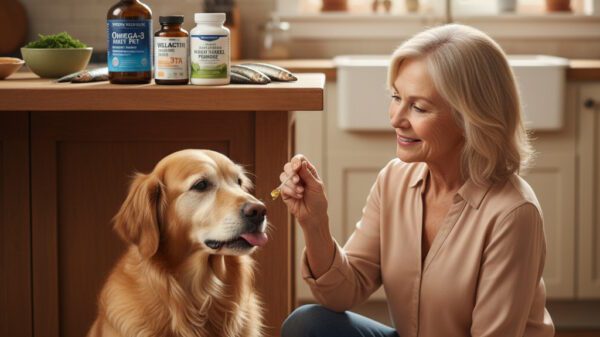
3. Omega-3 Fatty Acids (EPA & DHA)
- What they are: Essential fatty acids found abundantly in fish oil. DHA (docosahexaenoic acid) is a major structural component of the brain and retina.
- How they’re believed to help: Omega-3s, particularly DHA, are crucial for maintaining brain cell membrane integrity and function. They have potent anti-inflammatory properties that can help reduce neuroinflammation, which is often associated with cognitive decline. They also support overall neurological health.
- Evidence: Extensive research supports the benefits of Omega-3s for brain health across species. While not exclusively for “dementia,” their role in general cognitive function and their ability to reduce inflammation make them a vital supplement for senior dogs.
- Considerations: Ensure you’re using a high-quality fish oil supplement that has been tested for purity (free from heavy metals and toxins) and provides adequate levels of EPA and DHA. Over-supplementation can lead to digestive upset or, in rare cases, affect blood clotting.
📚 Study Reference:
Pan Y et al. (2018). Dietary medium-chain triglycerides and omega-3 fatty acids improve cognition in aging dogs.
Front Nutr 5:127.
Double-blind, placebo-controlled study (n = 87) showing significant DISHAA-score improvements after 90 days.
Cotman CW et al. (2002). Antioxidant-enriched diet delays age-related cognitive decline in dogs.
Neurobiol Aging 23(5): 809-818.
Foundational beagle research supporting antioxidant + enrichment “brain diets.”
4. Phosphatidylserine
- What it is: A natural phospholipid that is a vital component of cell membranes, particularly abundant in brain cells.
- How it’s believed to help: Phosphatidylserine plays a key role in neurotransmitter release, cellular communication, and the maintenance of the structural integrity of brain cells. Supplementation is believed to enhance nerve cell function and support glucose metabolism in the brain.
- Evidence: Studies in humans have shown benefits for age-related cognitive decline, and similar mechanisms are thought to apply to dogs. Some veterinary cognitive support supplements include it in their formulations.
- Considerations: Generally well-tolerated.
📚 Study Reference:
Araujo JA et al. (2008). Effects of a phosphatidylserine/Ginkgo biloba/vitamin E/pyridoxine blend on short-term memory in aged beagles.
Can Vet J, 49(4): 379-385.
Crossover study (n = 9) showing improved short-term memory performance in aged dogs.
Heath S et al. (2007). Aktivait® nutraceutical trial in senior dogs.
Vet Rec 160(14): 514-518.
Placebo-controlled field study (~44 dogs) reporting owner-observed cognitive improvements.
5. Antioxidant Blends (Vitamin E, Vitamin C, Alpha-Lipoic Acid, CoQ10)
- What they are: A group of vitamins and compounds that combat free radicals, which cause oxidative damage to cells, including brain cells.
- How they’re believed to help: Oxidative stress is a major contributor to aging and neurodegeneration. By neutralizing free radicals, antioxidants help protect brain tissue from damage, potentially slowing the progression of cognitive decline.
- Evidence: Many commercial veterinary cognitive support diets and supplements contain blends of these antioxidants, and studies on such blends have shown positive effects on cognitive function in older dogs.
- Considerations: While beneficial, always ensure the dosages are appropriate for dogs, as excessive amounts of certain vitamins (such as Vitamin A or E) can be harmful.
Do They Work? The Expert’s Perspective
Based on scientific research, clinical experience, and numerous testimonials from devoted pet parents, the answer is a resounding yes: natural supplements can play a beneficial role in managing dog dementia. However, it’s crucial to approach this topic with a balanced understanding:
- They are not a cure: Supplements cannot reverse the underlying pathology of CCDS or restore your dog to its younger self. They are intended to slow progression, improve symptoms, and enhance quality of life.
- Individual responses vary: Just like in humans, what works wonders for one dog might have a more subtle effect on another. It’s often a process of trial and observation with your veterinarian.
- Combination is Key: The most effective approach often involves a combination of strategies:
- Diet: Many prescription veterinary diets formulated for cognitive support contain enhanced levels of antioxidants, Omega-3 Fatty Acids, and other brain-supportive nutrients.
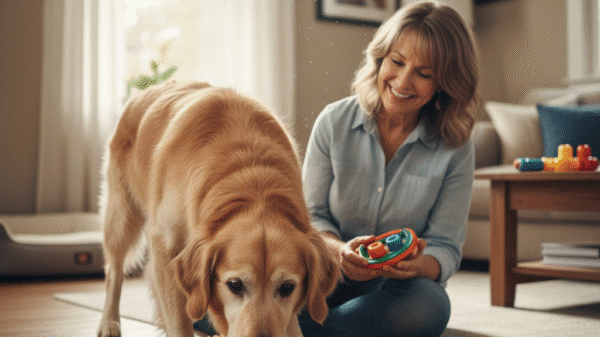
- Environmental Enrichment: Keeping your dog’s brain active with gentle puzzle toys, short walks, and consistent routines can be incredibly helpful.
- Behavioral Modification: Addressing specific symptoms like night restlessness with appropriate management.
- Prescription Medications: In some cases, your veterinarian may prescribe medications such as selegiline to help manage certain CCDS symptoms. Supplements can often be used in conjunction with these.
⚠️ Important Safety Notes (Read Before Starting Supplements)
- Consult your veterinarian first—especially if your dog takes prescription meds or has chronic conditions.
- Check for drug interactions (see list below). Do not combine without vet approval.
- Introduce one product at a time and monitor for 7–14 days before adding another.
- Start low, go slow (dose by weight; follow brand/vet guidance).
- Stop and call your vet if you see vomiting, diarrhea, lethargy, agitation, abnormal bleeding, or skin hives.
Common interactions & cautions (tap to expand)
- Selegiline (Anipryl®): Do not combine with SSRIs/TCAs or serotonergic products without vet oversight. Space changes by days–weeks.
- SAMe: Generally well-tolerated; theoretical serotonergic effects—use caution with antidepressants; discuss timing/dose with your vet.
- Ginkgo biloba: May increase bleeding risk; caution with NSAIDs, anticoagulants, upcoming surgery, bleeding disorders.
- Omega-3 (fish oil): High doses can affect platelet function/GI; caution if on anticoagulants or before surgery.
- MCT oil: Avoid or use carefully with history of pancreatitis or fat-intolerance; introduce slowly.
- Vitamin E / antioxidant blends: Very high doses may influence clotting; coordinate dosing with your vet.
- Phosphatidylserine: Generally safe; monitor if combined with other cognition products for additive effects.
- Liver/kidney disease, diabetes, GI disease: Require individualized dosing/monitoring—vet guidance essential.
This list isn’t exhaustive. Always tailor choices to your dog’s meds, labs, and history.
Educational content only. Not a substitute for individualized veterinary care.
| Supplement | Key Ingredients / Mode | Best For | |
|---|---|---|---|
| Senilife XL Nutritional Supplement | Phosphatidylserine, antioxidants, B vitamins | Moderate brain aging, behavior changes | Check Price |
| Only Natural Pet Senior Brain Wellness Soft Chews | Herbs + omega-3 fatty acids in chew format | Milder support, easier administration | Check Price |
| Zesty Paws Advanced Cognition Bites | Ashwagandha, Lion’s Mane, Alpha-GPC, DHA | Active support for memory & nervous system | Check Price |
| Herbsmith Senior Dog Wisdom | TCM herbs + adaptogens + brain-support herbs | Holistic formula for cognitive decline | Check Price |
| Nordic Naturals Omega-3 Pet (Liquid) | Pure EPA & DHA from fish oil | Antioxidant + brain & vascular support | Check Price |
Disclosure: As an Amazon Associate, GoldenPawsCare earns from qualifying purchases. We only recommend products that meet veterinary quality standards.
These supplements support but are not cures — always consult your veterinarian before adding any new supplement, especially if your dog is on medications.
Choosing the Right Supplement and Working with Your Vet
This is perhaps the most critical takeaway: always consult your veterinarian before starting any new supplement regimen for your dog. Here’s why:
- Accurate Diagnosis: Your vet will rule out other conditions that could mimic dementia.
- Safety First: They can advise on proper dosages, potential interactions with other medications your dog is taking, and any contraindications based on your dog’s overall health (e.g., liver or kidney disease).
- Quality Control: The supplement market is vast and unregulated. Your vet can recommend reputable brands that have undergone third-party testing for purity, potency, and safety. This is paramount! Many human supplements are not suitable for dogs, and quality varies wildly.
- Monitoring Progress: Your vet can help you track your dog’s response to the supplements and adjust the plan as needed.
When looking for supplements, prioritize products specifically formulated for dogs and from brands that are transparent about their ingredients, sourcing, and manufacturing processes. Look for certifications or indications of veterinary oversight.
📚 Recent Reviews:
Kim SH et al. (2025). Diagnostic and therapeutic strategies for canine cognitive dysfunction.
Am J Vet Res 86(8): 1047-1060.
State-of-the-art review outlining integrated CCDS management (nutrition + behavior + pharma).
Blanchard T et al. (2025). Systematic review of enriched diets and nutraceuticals in aging dogs and cats.
GeroScience 47(2): 231-249.
Meta-analysis of 30 trials — finds promising but variable benefits; highlights need for vet guidance.
A Final Thought: Hope and Compassion
Living with a dog experiencing dementia is challenging, marked by moments of joy interspersed with profound sadness. Natural supplements offer a genuine ray of hope, a tangible way to potentially enhance your senior dog’s comfort and mental well-being. By empowering their brains with targeted nutrients, we strive to give them more “good days,” more moments of clarity, and more opportunities to connect with us. It’s a journey of compassion, patience, and unwavering love, and exploring every avenue, including these promising natural aids, is a testament to the incredible bond we share.