Music Therapy and White Noise
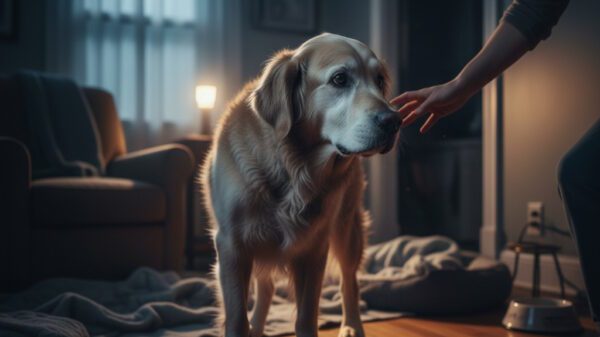
As the evening draws in, a different kind of quiet often descends upon a home with a senior dog. It’s not always the peaceful quiet of a dog contentedly napping; sometimes, it’s the quiet anticipation of restlessness. You might notice them pacing aimlessly, whining softly, staring blankly, or struggling to settle down. For many older dogs, especially those with cognitive decline (often called “doggy dementia” or Canine Cognitive Dysfunction Syndrome – CDS), nightfall can bring confusion, anxiety, and an inability to find comfort. This agitation, commonly referred to as sundowning, can be heartbreaking for owners and profoundly disruptive for everyone in the household.
While there’s no single magic cure for the complex challenges of canine aging, modern veterinary science and holistic care are offering innovative, gentle solutions. Among the most promising and accessible therapeutic uses are sound therapies, including music therapy and white noise, for restless senior dogs. These aren’t just background sounds; they are carefully chosen auditory interventions designed to calm an overstimulated mind, mask unsettling noises, and create an environment of peace and security.
📚 Reference: Controlled shelter studies show that classical music can significantly lower cortisol levels and reduce barking in dogs, compared with heavy metal or pop music. The relaxing rhythm and predictable tempo help lower stress responses and promote resting behavior. ( Kogan L.R. et al., J. Vet. Behav., 2007)
As someone who has personally witnessed the transformative power of a carefully curated soundscape for an anxious senior, I can attest to the profound difference it can make. Let’s explore how the world of sound can become a comforting embrace for our aging, restless companions.
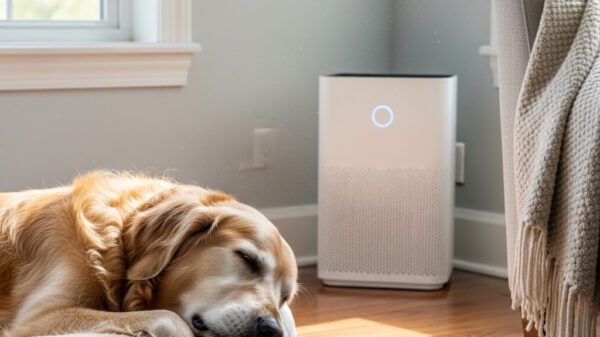
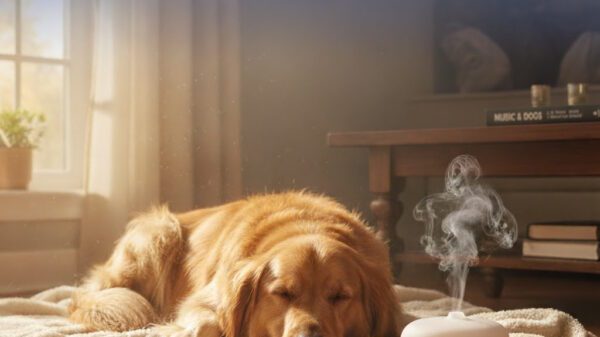
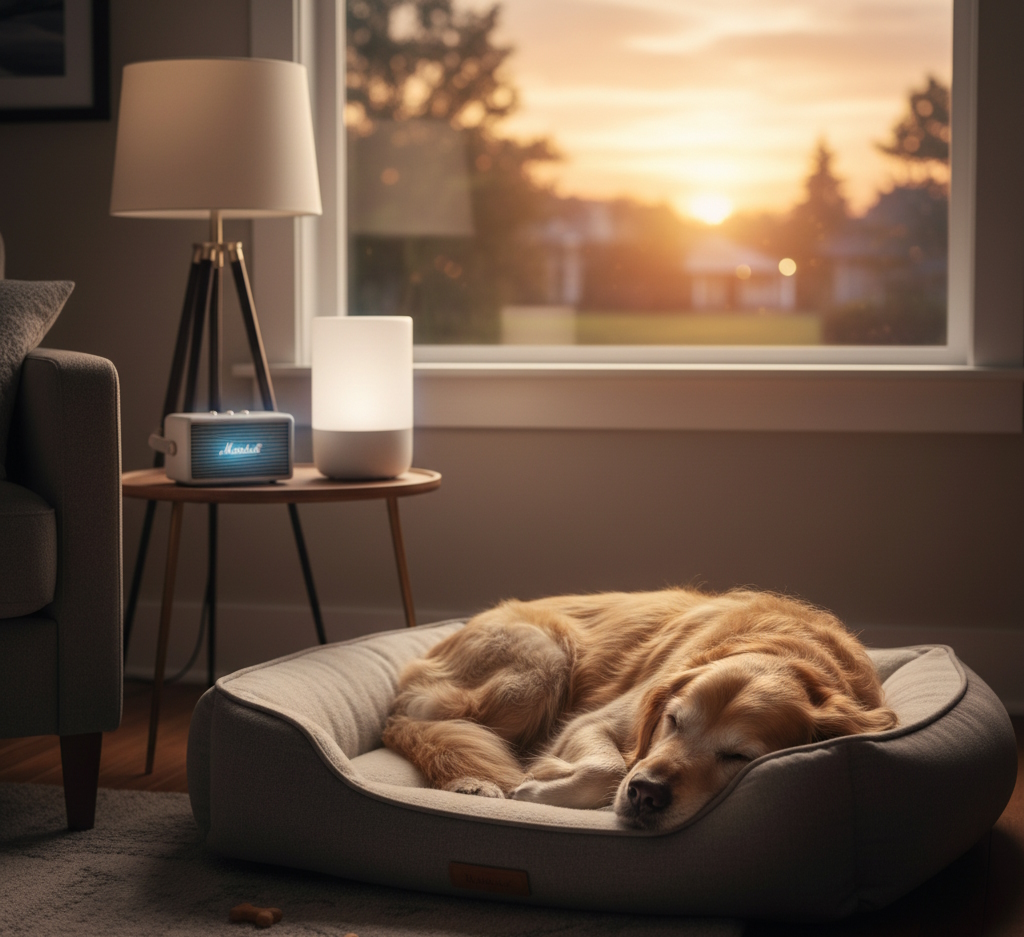
Here’s a simple visual summary of how sound therapy can support your senior dog’s comfort and rest, especially when mobility or cognitive changes make quiet nights harder.
🐾 Why Senior Dogs Are Different
As dogs age, subtle changes in hearing, sleep cycles, and cognitive processing alter the way they experience sound. Many senior dogs become more sensitive to sudden noises yet less responsive to high-pitched tones. This mismatch can lead to confusion, restlessness, or nighttime pacing — a common symptom of canine cognitive decline or sensory fatigue.
Gentle, low-frequency music or consistent white noise helps create predictability. Predictability reduces the “startle reflex,” supporting both comfort and orientation — especially for dogs who may not hear every sound but still feel environmental vibrations.
🎵 Recommended Calming Music Tools & Audio Setups for Senior Dogs
If your senior pup struggles to relax at night or during storms, these vet-recommended audio solutions can bring real relief. Try our trusted picks for soothing playlists, noise-canceling setups, and gentle sound machines designed specifically for dogs.
As an Amazon Associate, GoldenPawsCare.com earns from qualifying purchases.
In This Guide
Understanding the Restless Senior: Why Sound Can Help
To use sound therapy effectively, it helps to understand why senior dogs become restless in the first place. It’s often a confluence of factors:
- Canine Cognitive Dysfunction (CDS): This is analogous to Alzheimer’s in humans. CDS affects memory, learning, perception, and awareness. Dogs with CDS can experience disorientation, anxiety, altered sleep-wake cycles (sundowning), and increased vocalization. Their world becomes confusing, especially as light fades.
- Sensory Decline: Older dogs often experience a decline in their sight and hearing. This can make them feel more vulnerable, easily startled by sudden noises, or conversely, unable to process their environment, leading to anxiety.
- Increased Pain/Discomfort: Arthritis and other chronic pain conditions can worsen at night or when they are trying to settle, making it difficult to find a comfortable position. The restlessness might be an expression of discomfort.
- Environmental Sensitivity: Seniors may become more reactive to external sounds (such as traffic, neighbors, or wind) or internal household noises, leading to increased alertness and difficulty relaxing.
Sound therapy aims to address these issues by providing a calming, predictable auditory environment that counteracts confusion, masks disruptive noises, and promotes relaxation.
📚 Reference: Age-related hearing decline in dogs begins as early as seven to eight years old, reducing sensitivity to high-frequency tones while maintaining low-frequency perception. Calming tracks built around lower octaves, rhythmic repetition, and minimal percussion are most effective for seniors. ( Scheifele P.M., Am. J. Vet. Res., 2013)
Music Therapy for Dogs: More Than Just Tunes
The idea of playing music for dogs might seem whimsical, but a growing body of research in veterinary behavior backs it. Music therapy isn’t just about entertainment; it’s about using specific acoustic properties to elicit a physiological response.
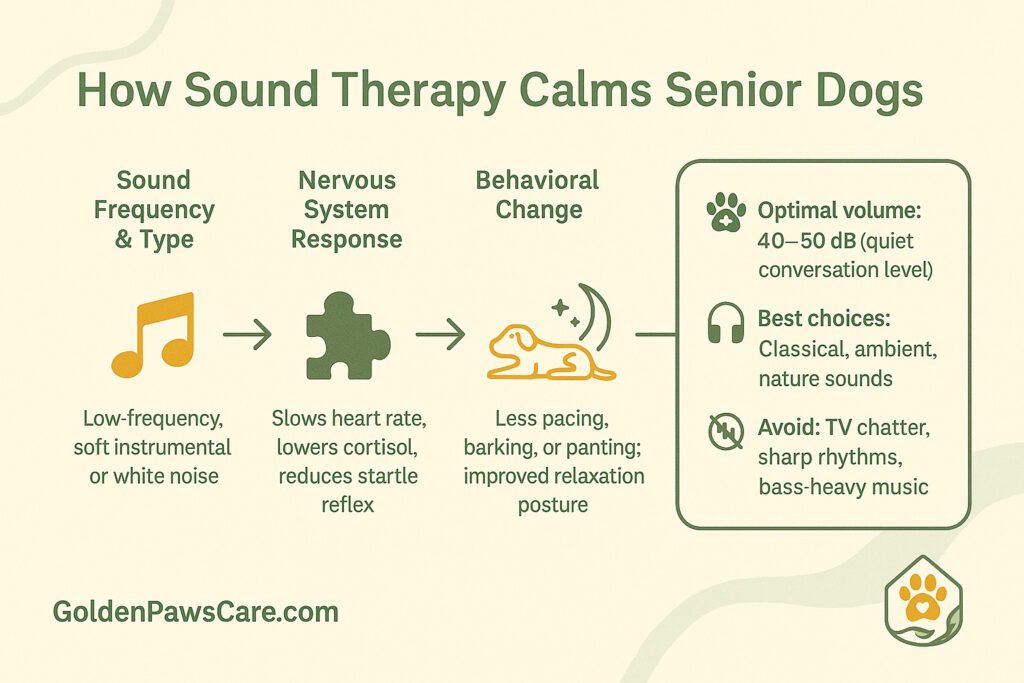
Based on research from the Journal of Veterinary Behavior and Animal Welfare (Wells et al., 2002; Kogan et al., 2012).
What Kind of Music Works?
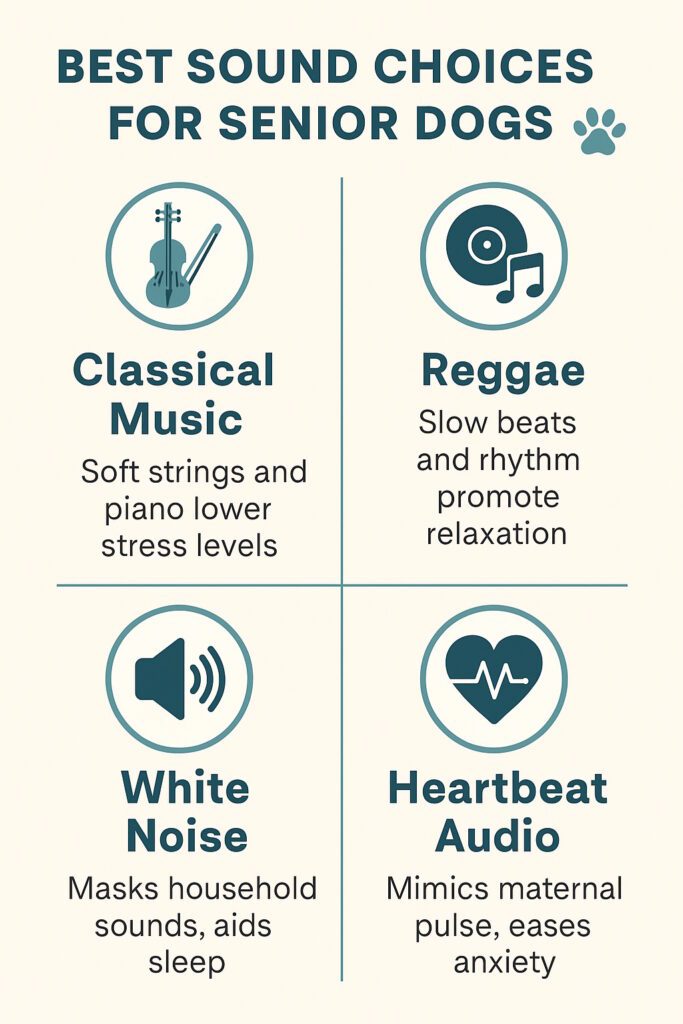
- Classical Music: Studies, particularly those focusing on shelter dogs, have consistently shown that certain types of classical music (e.g., slow tempo, simple melodies, consistent rhythm, minimal percussion, no sudden dynamic changes) can induce relaxation. Composers like Bach, Beethoven, and Mozart are often cited. The predictability and structured nature of classical pieces seem to have a soothing effect.
- Reggae and Soft Rock: Interestingly, some research suggests that reggae and soft rock genres can also have calming effects, likely due to their moderate tempos and often gentle rhythms.
- Specially Designed “Calming” Dog Music: There are now commercially available albums specifically engineered for canine relaxation. These often feature very slow tempos, simple instrumentation (like piano or harp), and frequencies thought to be appealing or calming to a dog’s sensitive hearing. These are often specifically designed to help anxious senior dogs settle at night.
How Music Helps:
- Masking Effect: It can effectively mask sudden, startling household noises or external sounds that might otherwise trigger anxiety.
- Heart Rate Regulation: The slow, steady rhythm of calming music can help lower heart rate and respiration, promoting a state of physiological relaxation.
- Distraction: It provides a gentle focal point for an anxious mind, diverting attention from internal discomfort or external stressors.
- Creating a Routine: Playing calming music specifically at night can become a positive part of a dog’s bedtime routine, signaling it’s time to settle.
The Blanket of Sound: White Noise for Disorientation and Distraction
White noise is a steady, continuous sound that contains all audible frequencies distributed equally. While it doesn’t have the melodic qualities of music, it’s incredibly effective for a different set of reasons, particularly for senior dogs with sundowning syndrome.
How White Noise Works:
- Masking External Noise: This is the superpower of white noise. It creates a “sound blanket” that effectively blocks sudden, sharp noises, such as car horns, distant sirens, barking dogs next door, and even subtle house creaks that might startle an older dog. This is especially helpful for restless older dogs with hearing loss who might still be sensitive to low-frequency vibrations or who get anxious because they don’t hear familiar sounds.
- Creating a Consistent Auditory Environment: For a dog experiencing cognitive decline, their world can feel increasingly unpredictable. A consistent white noise sound provides a stable, unchanging backdrop, which can be immensely reassuring.
- Reducing “Auditory Gaps”: Some older dogs with hearing loss might still pick up intermittent, confusing sounds. White noise can fill these “auditory gaps,” reducing the anxiety caused by an incomplete soundscape.
Types of White Noise:
- Dedicated White Noise Machines: These are purpose-built devices that generate a continuous, non-looping white noise. Many offer other “colors” of noise (pink noise, brown noise) or natural sounds (rain, ocean waves) that can be effective as well.
- Fans: A simple fan can provide effective white noise while also circulating air.
- Apps & Online Streams: Numerous apps and websites offer white noise loops. Just ensure the loop is long enough to avoid noticeable repetitions, which can be disruptive.
📚 Reference: Continuous low-frequency sound (“white noise”) has been shown to reduce environmental startle reactions and help dogs maintain calmer heart rates during rest, particularly in older animals with cognitive decline. ( Landsberg G.M. et al., Frontiers in Vet Science, 2017)
Implementing Sound Therapy: Best Practices for Success
Simply turning on a radio isn’t enough. Thoughtful implementation maximizes the benefits of sound therapy for calming an older dog with anxiety:
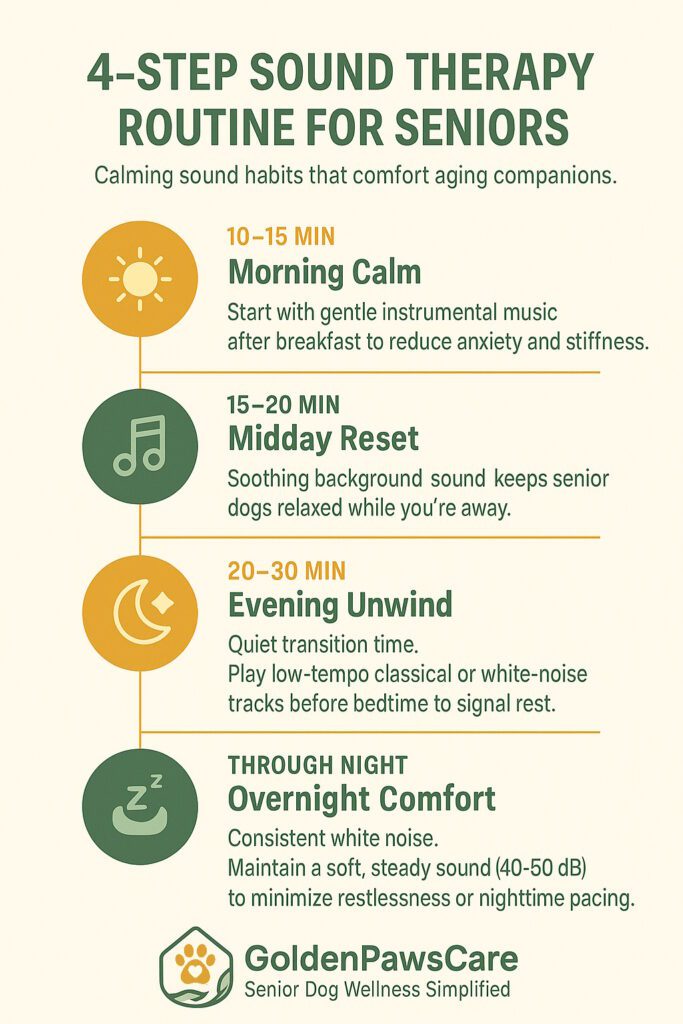
- Consistency is Key: Use the chosen sound (music or white noise) consistently at the same times each day, particularly during periods of restlessness (e.g., as evening approaches, overnight). This helps establish a routine and predictability.
- Appropriate Volume: The sound should be gentle, not loud. It should be loud enough to be heard clearly and mask other sounds, but not so loud as to be startling or overwhelming for your dog’s sensitive hearing. Test it yourself—if it’s uncomfortable for you, it’s too loud for them.
- Location Matters: Place the sound source in your dog’s primary resting area (their bed, crate, or a quiet corner of the room).
- Observe and Adjust: Pay close attention to your dog’s response. Are they settling more quickly? Are they sleeping through the night? Are they less agitated? If one type of sound isn’t working, try another. Some dogs prefer music, others white noise.
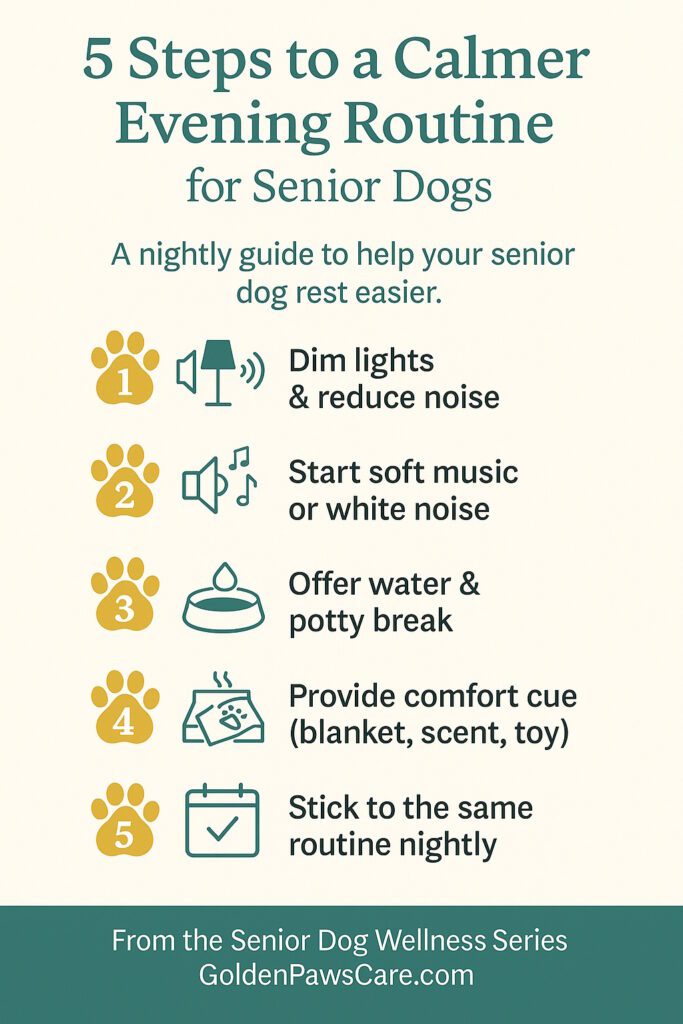
- Combine with a Calming Routine: Sound therapy is most effective when integrated into a broader calming routine. This might include a gentle evening walk, a comforting massage, a final potty break, and a cozy bed in a secure location.
- Rule Out Other Issues: Always consult your veterinarian to rule out pain, infection, or other medical conditions that may be contributing to restlessness before relying solely on sound therapy.
💛 More Help for Senior Dogs Struggling with Anxiety, Sleep, or Stress
🎓 Expert Answers from Dr. Elise Mendel, DVM (Behavioral Medicine)
Tap or click a question below to reveal the answer.
🎵 What type of music works best for calming senior dogs?
Research suggests classical, reggae, and soft rock provide the most stable tempos and predictable patterns. Avoid songs with sharp percussion or high-pitched instruments, as senior dogs are more sensitive to abrupt sounds.
🌙 Should I leave music or white noise on overnight?
Yes — continuous, gentle white noise or soft instrumental music can help prevent nighttime restlessness (often called canine sundowning). It maintains orientation and masks small household noises that could startle your dog.
🔊 What if my senior dog is hard of hearing?
Many older dogs still feel sound through vibration. Low-frequency music and bass-toned white noise can still provide a soothing rhythm they perceive physically. Always observe their comfort and adjust volume accordingly.
⏱️ How long should I play music each day?
Begin with 15–20 minute sessions during rest times or stressful events (thunderstorms, visitors, or bedtime). Extend gradually if your dog responds positively — the goal is a calm background, not constant stimulation.
🐾 Is there a risk of overusing sound therapy?
Not usually, but balance matters. Dogs also benefit from quiet periods and natural environmental sounds. Overuse can desensitize them or make silence uncomfortable, so vary your sound routines weekly.
Disclaimer: This content is for educational purposes only and is not a substitute for professional veterinary care. Always consult your veterinarian before making health or environmental changes for your dog.
“Consistency of sound is one of the greatest gifts we can give a senior dog. Predictable audio patterns — like calm music or soft white noise — act as anchors in a world that’s becoming harder for them to interpret.”
— Dr. Elise Mendel, DVM, Behavioral Medicine
A Symphony of Comfort: A Loving Act of Care
Witnessing a senior dog’s confusion and anxiety can be one of the toughest challenges of pet ownership. However, with tools like music therapy and white noise, we can offer a gentle, non-invasive way to provide profound comfort. These aren’t just techniques; they’re acts of deep empathy, creating an auditory haven where our beloved companions can feel safe, settled, and loved, even when their world feels a little less clear. By thoughtfully curating their soundscape, we help them find peace in their golden years, ensuring their nights (and days) are filled with the gentle rhythm of calm.
Try this tonight: choose a quiet playlist, set volume low, observe your dog’s behaviour for 15-20 minutes, and note any changes.