7 Gentle At-Home Comforts for Dogs
Facing the final chapter of your dog’s life is one of the most heart-wrenching experiences a pet owner will ever endure. The deep, unspoken bond you share shifts into a new phase, one focused not on long hikes or vigorous play, but on peace, dignity, and unwavering love. As your loyal companion ages and their health declines, your role evolves into that of a hospice caregiver. It’s a profound act of devotion to ensure their last days, weeks, or months are filled with as much peace and as little discomfort as possible.
This period isn’t about extending life at all costs; it’s about enhancing the quality of the life that remains. Creating a peaceful environment is the ultimate gift you can give them, a testament to a lifetime of loyalty. Many owners find that providing gentle at-home comforts for dogs becomes a way to process their own anticipatory grief, turning anxiety into purposeful, loving action. If you find yourself in this tender season of life with your dog, here are seven gentle, meaningful ways you can provide comfort and solace right at home.
📚 Reference: Veterinary hospice emphasizes comfort, dignity, and pain control for terminally ill pets — focusing on quality of life, not cure. The AVMA defines hospice care as “the active total care of patients whose disease is not responsive to curative treatment.” (AVMA Hospice & Palliative Care Guidelines).
In This Guide
1. Create a Sanctuary of Softness and Accessibility
As your dog’s body weakens, the simple act of resting can become uncomfortable. Hard floors or lumpy old beds can put pressure on sore joints and thin skin. Your first mission is to build them a nest of ultimate comfort.
| Comfort Focus | Why It Matters | Helpful Examples |
|---|---|---|
| Soft Bedding & Support | Reduces pressure sores, joint pain, and cold stress. | Orthopedic beds, memory foam toppers, washable fleece blankets. |
| Temperature Comfort | Maintains consistent warmth—senior dogs lose thermal regulation. | Heated pads, draft-free corners, lightweight sweaters. |
| Hydration & Nutrition | Eases digestion and prevents dehydration during appetite decline. | Broth-based meals, elevated bowls, senior-formulated foods. |
| Hygiene & Cleanliness | Prevents discomfort from urine scald or odor; preserves dignity. | Pet wipes, washable pee pads, dry shampoos. |
| Emotional Connection | Calms anxiety, helps dogs feel loved and secure to the end. | Gentle touch, low voice, daily rituals, favorite toy. |
| Pleasure & Routine | Preserves joy through familiar sensory experiences. | Sunlight spots, car rides, soft music, small treats. |
Source: GoldenPawsCare.com | Adapted from AVMA & hospice-care best practices
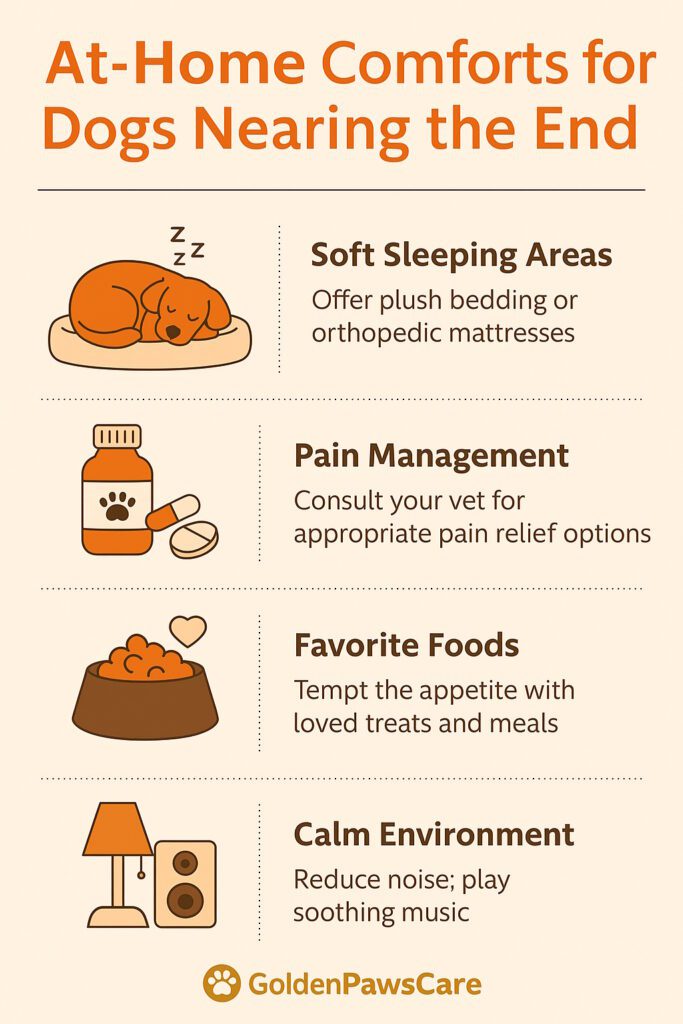
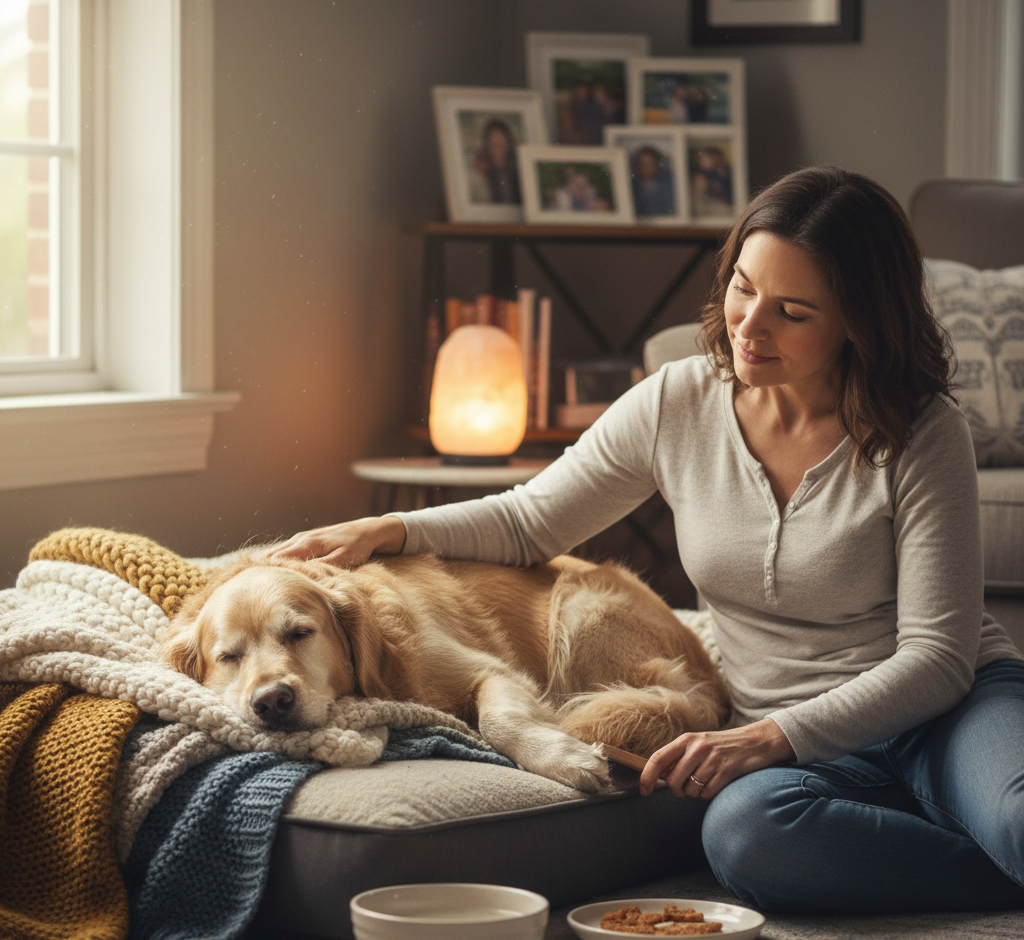
- Invest in an Orthopedic Bed: A high-quality memory foam or orthopedic bed provides crucial support for arthritic joints and tired muscles. Please place it in a quiet, low-traffic area of the house where they can rest undisturbed while still feeling like part of the family.
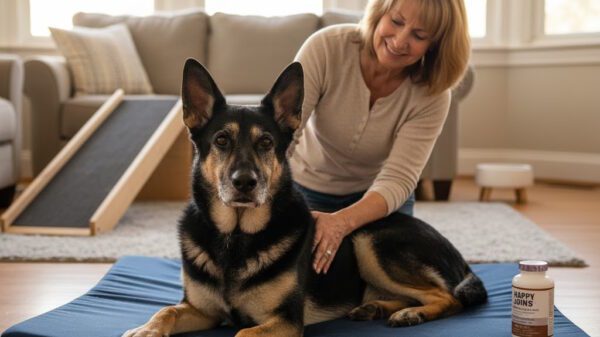
- Keep it Low: Ensure the bed is easy for them to get on and off without needing to jump or climb. If their favorite spot has always been the couch, provide a sturdy ramp or pet stairs so they can still access it safely.
- Pile on the Softness: Use soft, clean blankets and pillows to create a cozy den. A warm blanket, especially on cooler days, can be incredibly soothing. Be prepared to change bedding frequently, as incontinence can become an issue. Keeping them clean and dry is paramount to their comfort and dignity.
📚 Reference: Studies in geriatric dogs highlight that environmental comfort — such as soft, even surfaces, temperature regulation, and familiar scents — significantly reduce anxiety and restlessness in late-stage illness (Griffith et al., 2022 – Vet Clin Geriatrics Review; Today’s Veterinary Practice).
2. Partner with Your Vet for Pain Management
One of our biggest fears is that our beloved pet is in pain. Older dogs, especially those with chronic conditions such as arthritis or cancer, are experts at masking their discomfort. It is essential to work closely with your veterinarian to create an effective pain management plan.
Never give your dog human pain medications, as many are toxic to them. Your vet can prescribe dog-specific non-steroidal anti-inflammatory drugs (NSAIDs) or other analgesics tailored to your dog’s specific needs and health status. Pay close attention to subtle signs of pain, such as reluctance to move, whimpering when touched, panting without exertion, loss of appetite, or uncharacteristic irritability. Keep a journal of their symptoms and behaviors to share with your vet, which can help them fine-tune medication dosages. Administering this medication isn’t just a task; it’s a vital act of compassion.
According to a 2023 survey by the International Association for Animal Hospice and Palliative Care, over 68% of senior dog owners who implemented home comfort plans reported calmer behavior, better appetite, and deeper sleep in their pets’ final weeks.
3. Simplify Nourishment and Hydration
A declining appetite is common in dogs nearing the end of life. Forcing them to eat can create stress and anxiety. Instead, focus on making food and water as appealing and accessible as possible.
- Tempt the Palate: Offer highly palatable, aromatic foods. Warming up their food slightly can enhance its smell and entice them to eat. Your vet might recommend a specific soft or liquid diet. Gentle, nourishing options like plain boiled chicken, unsalted bone broth (no onions), or a bit of baby food can sometimes do the trick.
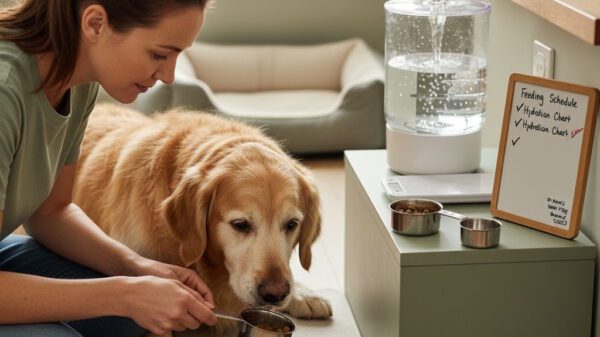
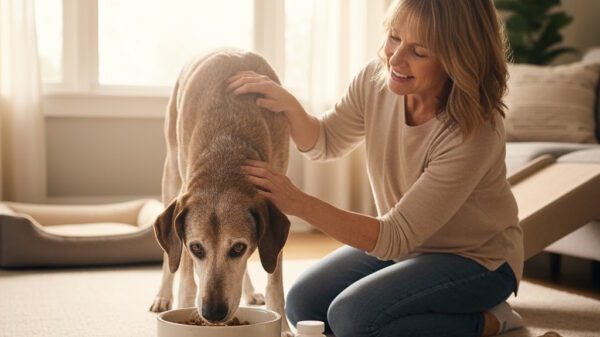
- Bring it to Them: Your dog may no longer have the energy to walk to their food bowl. Bring their food and water to their resting spot. Consider using raised bowls so they don’t have to bend their neck uncomfortably.
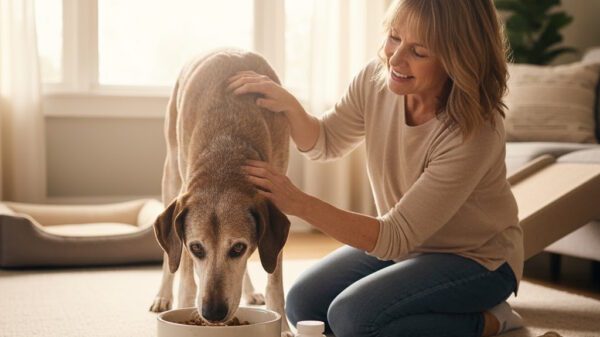
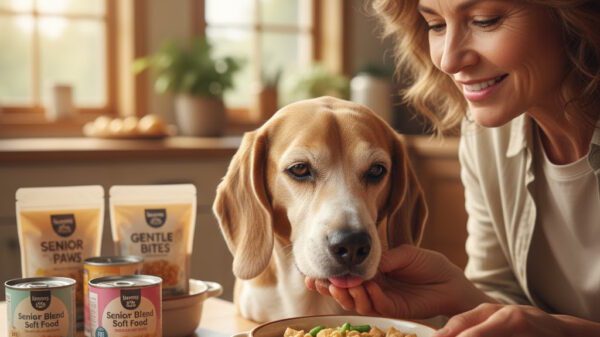
- Hand-Feeding: The simple, intimate act of hand-feeding can be incredibly comforting for your dog. It reinforces your bond and can encourage them to take a few bites when they might not otherwise. The goal is no longer about achieving a certain caloric intake for energy, but about providing small moments of pleasure and sustenance.
4. Maintain Gentle Hygiene with Dignity
A dog who can no longer groom themselves can quickly become soiled and uncomfortable. Maintaining their hygiene is a critical part of dignified end-of-life care. This is one of the most selfless comforts you can provide for dogs at home.
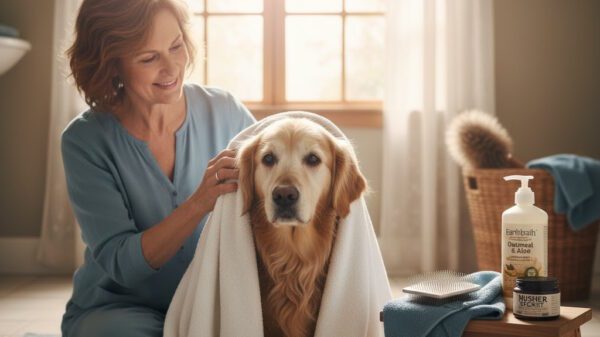
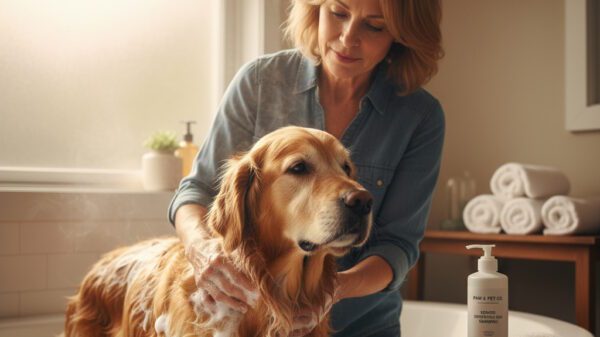
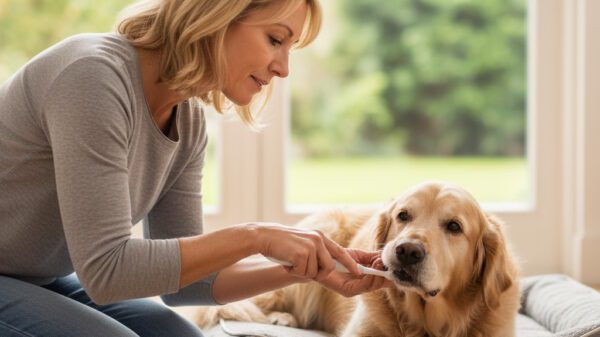
If your dog is incontinent, use absorbent puppy pads or doggy diapers and change them frequently to prevent urine scald and skin infections. Use pet-safe, unscented wipes to gently clean them after accidents. A gentle, soft brushing can feel good on their skin and help prevent mats, but be mindful of any sensitive or painful areas. Use a soft, damp cloth to clean away any discharge from their eyes or nose. These small acts keep them feeling fresh and respected.
📚 Reference: Quality-of-life (QOL) scales help families track comfort, appetite, mobility, and interaction daily. Tools like the HHHHHMM Scale (University of Ohio Vet Center) and the Landsberg QOL Checklist provide structured ways to recognize when comfort outweighs suffering.
5. The Unspoken Power of Your Presence
As your dog’s world shrinks, your presence becomes their anchor. They may not be able to greet you at the door or ask for a walk, but they draw immense comfort from knowing you are near. Sit with them on the floor. Read a book, listen to quiet music, or be still.
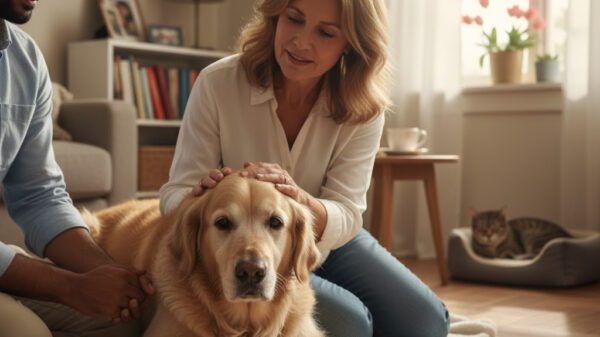
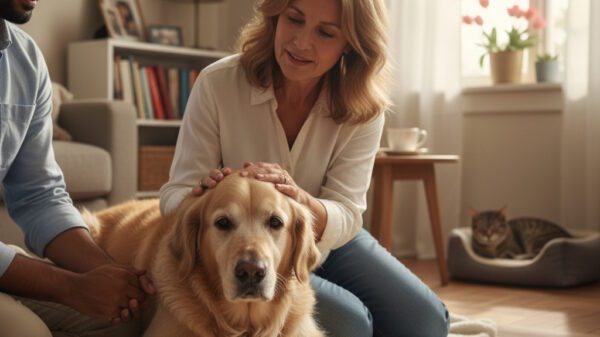
Speak to them in a soft, soothing voice. Your calm energy will be a powerful comfort to them. Gentle, slow petting or stroking can be very reassuring, but always be guided by their reaction. Some dogs may become sensitive to touch in certain areas, while others will lean into your hand for solace. Your quiet companionship is one of the most profound comforts you can offer, reminding them they are not alone.
6. Adapt Their Environment for Safety
Mobility issues can make their own home feel like an obstacle course. Making a few simple modifications can prevent falls and reduce anxiety.
- Improve Traction: Place non-slip rugs and runners on hardwood or tile floors to provide secure footing.
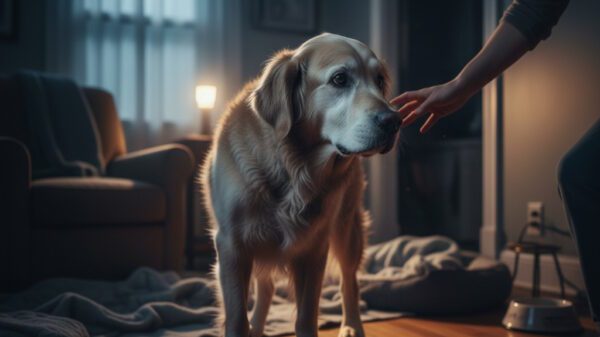
- Light the Way: If your dog’s vision is failing, consider using nightlights to help them navigate in low light.
- Remove Obstacles: Keep pathways clear and consider blocking off access to stairs to prevent accidental tumbles. Keep their food, water, and bed in one easily accessible area to minimize the need for them to travel far. A predictable, safe environment helps them conserve precious energy.
7. Honor Their Favorite Simple Pleasures
Even at the end, your dog is still your dog. They still have a personality and things that bring them joy. While their capacity may be limited, you can still honor their spirit by offering modified versions of their favorite activities.
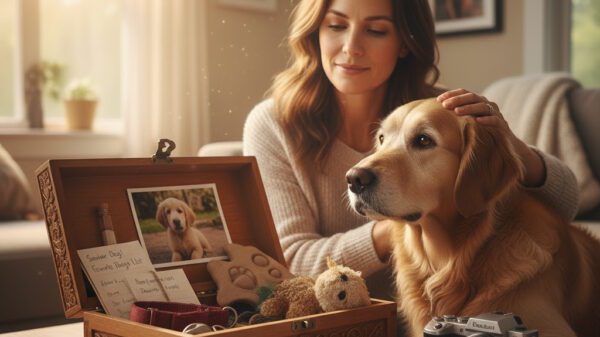
Did they love sunbathing? Help them lie on a soft blanket in a warm patch of sun from a window. Did they love car rides? If they are comfortable being moved, perhaps a short, slow drive around the block with the windows down is possible. If they had a favorite soft toy, keep it near them in their bed. It’s not about doing; it’s about being. These small gestures acknowledge the life they’ve lived and the joy they’ve brought, providing a sense of normalcy and love in their final days.
🐾 Common Questions About Comfort Care for Senior Dogs
Tap a question below to view the answer.
How can I tell if my dog is in discomfort at home?
Look for subtle signs such as restlessness, panting when not hot, avoiding favorite spots, loss of appetite, or increased vocalization. These can indicate physical pain or emotional distress.
Should I keep my senior dog near family activity or in a quiet room?
Most dogs prefer proximity to familiar voices and smells. Create a calm “family corner” where your dog can rest while still hearing household sounds — it prevents isolation and anxiety.
What’s the best way to support hydration if appetite is low?
Offer low-sodium broth, softened meals, or ice chips. Elevated bowls and frequent small servings can make drinking easier. Ask your vet about subcutaneous fluids if your dog is struggling.
When should I discuss hospice or euthanasia with my vet?
Talk to your veterinarian when your dog begins to lose mobility, appetite, or joy in daily life. A quality-of-life assessment helps determine whether medical or comfort care is most compassionate.
Can comfort care really extend my dog’s life?
While it may not prolong lifespan significantly, proper comfort care can improve how your dog feels day-to-day — reducing stress and promoting peace in their final stage.
💬 Expert Insight
“In their final stage, dogs crave stability and sensory comfort more than anything. A consistent environment, soft bedding, and your calm presence help ease anxiety and can make a profound difference in their final days.”
— Dr. Sarah L. Mendel, DVM
Veterinary Hospice & Geriatric Care Specialist
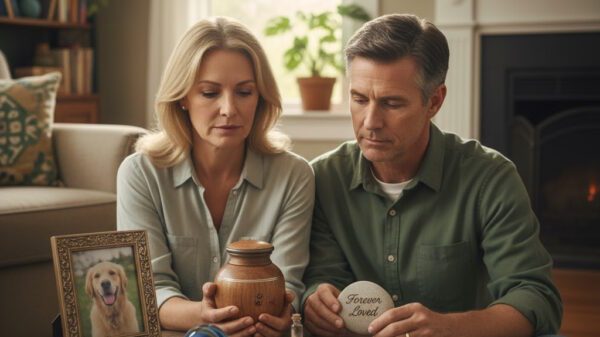
This journey is a sacred, painful, and beautiful final service to your best friend. There is no perfect way to navigate it. Your love, your intuition, and your commitment to their peace are your best guides. By focusing on these gentle at-home comforts for dogs, you are giving them the most precious gift of all: a peaceful and dignified farewell, surrounded by the unwavering love they’ve known their entire life. Cherish these quiet moments; they are the final, tender pages of a beautiful story.