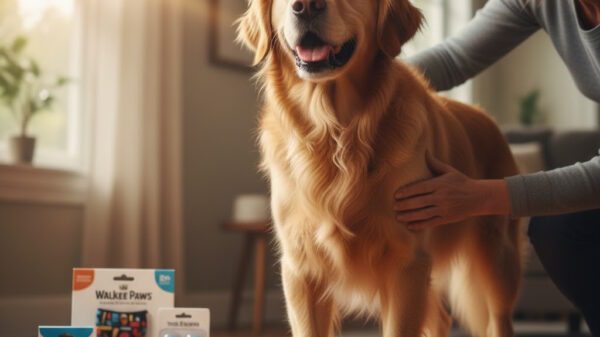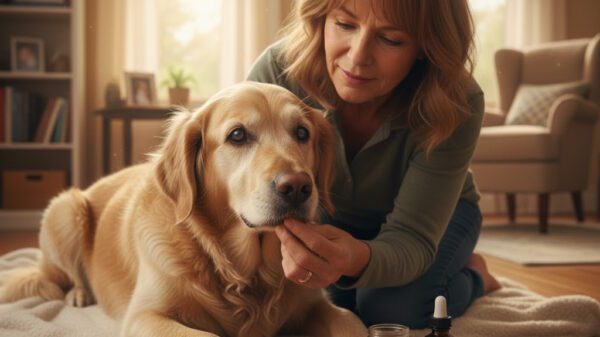
There’s a silent battle many senior dogs fight every single day, often right under our noses. It’s a battle against dental disease, a pervasive and painful condition that affects nearly 80% of dogs over the age of three, and almost all by the time they reach their golden years. We diligently feed them, walk them, and lavish them with love, but sometimes, their oral health slips under the radar until it becomes a significant problem.
🩺 Quick Fact: Senior Dog Dental Health
Over 80% of dogs over age three show signs of gum disease — and the risk increases sharply as they enter their senior years. Regular at-home dental care and professional cleanings can dramatically reduce discomfort and long-term complications.
Sources: American Veterinary Dental College and VCA Animal Hospitals
For an older dog, neglecting dental care isn’t just about bad breath; it’s about chronic pain, the risk of serious systemic infections, and a significant impact on their overall quality of life. Imagine living with a constant toothache, sore gums, or an infection brewing in your jaw – it’s debilitating. Our senior companions deserve better. They deserve comfort, and that starts with a healthy mouth.
This guide isn’t about guilt; it’s about empowerment. It’s about recognizing the critical role of dental care for older dogs and providing you with the knowledge and tools – from the best toothbrushes for senior dogs to effective chews and crucial veterinary interventions – to keep their smiles healthy and their golden years truly golden.
🦷 Why Older Dogs Need Different Dental Care
As dogs age, the natural protective barrier of the gums begins to thin and the body’s ability to fight oral bacteria declines. Even mild plaque can trigger painful inflammation, infection, or tooth loss in a senior dog whose immune system is slowing down.
Senior dogs also experience changes in jaw strength, saliva flow, and tooth density, making harsh or abrasive cleaning tools more likely to cause injury. The right approach focuses on gentle, consistent hygiene using soft-bristled brushes, safe chews, and periodic professional cleanings.
Senior-Dog Dental Care: Signs → Home Tools → Vet Options
| Common Signs (Seniors) | Gentle Home Tools | When to See the Vet |
|---|---|---|
| Bad breath, drooling, pawing at mouth, eating on one side | Soft-bristle brush + enzymatic toothpaste (dog-safe), finger brush | Pain signs persist > 48h; behavior change or food refusal |
| Gingival redness, tartar, mild bleeding when chewing | VOHC-accepted soft chews; chlorhexidine or zinc-salt gels/rinses | Frequent bleeding; loose/broken teeth; exposed roots |
| Reluctance to play tug/chew; jaw tenderness | Softer chews only; avoid hard bones/antlers; food toppers to ease chewing | Suspected tooth fracture; gum swellings/fistulas; facial swelling |
| Weight loss, dropping kibble, messy eater | Warm-water soften kibble; partial wet food; slow feeder to reduce gulping | Rapid decline in appetite/weight; lethargy; systemic signs |
| Prior dental surgery, fragile enamel, severe tartar | Enzymatic wipes/gauze on finger; gentle daily routine < 1–2 min | Professional exam, dental radiographs, cleaning/extractions as advised |
Note: For seniors, prioritize gentle, consistent care and consult your vet if pain or eating changes persist.
Gentle Dental Plan for Senior Dogs
A quick visual routine you can start tonight
| Product | Key Feature | Best For | Link |
|---|---|---|---|
| Virbac CET Enzymatic Toothpaste | Enzyme-based formula supports plaque control — no harsh scrubbing needed | Dogs who dislike brushing or have sensitive gums | Check Price |
| Hartz ProDental Finger Brush | Soft silicone bristles fit over your finger for gentle cleaning | Dogs with limited tolerance for brushes or small mouths | Check Price |
| Greenies Dental Treats | VOHC-accepted chew promotes plaque control with digestible texture | Dogs who already enjoy daily chew routines | Check Price |
As an Amazon Associate, GoldenPawsCare.com earns from qualifying purchases. Always consult your veterinarian before starting new dental products for senior dogs.
In This Guide
The Silent Threat: Why Dental Disease is So Serious for Seniors
As dogs age, years of plaque and tartar accumulation take their toll. This isn’t merely a cosmetic issue.
- Chronic Pain: The most immediate impact is the pain itself. Periodontal disease causes inflammation, gum recession, tooth decay, and exposed tooth roots, leading to constant discomfort that can affect their appetite, playfulness, and even their demeanor.
- Tooth Loss: Untreated dental disease eventually leads to tooth loss, making it difficult for individuals to eat their regular food.
- Systemic Infection: This is perhaps the most dangerous aspect. The bacteria from infected gums and teeth don’t stay in the mouth. They enter the bloodstream, traveling to vital organs like the heart, kidneys, and liver, causing serious and sometimes life-threatening infections. This is a primary concern for older, already vulnerable dogs.
- Compromised Immune System: Fighting chronic oral infections can put constant strain on an older dog’s immune system, making them more susceptible to other illnesses.
Recognizing these risks means understanding that proactive senior dog dental health is not optional; it’s fundamental to their well-being.
📚 Reference: Studies estimate that over 80 % of dogs over age 8 show some form of periodontal disease, with inflammation and oral pain often under-recognized by owners. Chronic oral infection is associated with systemic effects on the heart, kidneys, and liver. ( Harvey C.E., J. Am. Vet. Med. Assoc., 2013)
The Home Front: Daily Care with Brushes and Chews
The cornerstone of dental health, especially for seniors, is consistent home care. It takes commitment, but the rewards are immense.
1. Brushing: The Gold Standard: Just like for humans, brushing is the most effective way to remove plaque before it hardens into tartar.
- Choosing the Right Brush for Older Dogs: Senior dogs often have more sensitive gums and may not tolerate a stiff brush.
- Finger Brushes: Great for beginners and dogs with sensitive mouths. They allow you to feel your dog’s teeth directly and apply gentle pressure.
- Soft-Bristled Dog Toothbrushes: Look for brushes with soft, angled bristles that reach all tooth surfaces without irritating the gums. Many brands offer brushes with multiple head sizes.
- Electric Toothbrushes: Believe it or not, some dogs tolerate pet-specific sonic toothbrushes very well. The vibrations do the work, so you don’t need to scrub, which can be less abrasive on sensitive gums.
- Pet-Specific Toothpaste: NEVER use human toothpaste. It contains fluoride and xylitol (a sugar substitute), which are toxic to dogs. Pet toothpastes come in appealing flavors (such as poultry, beef, and peanut butter) and are safe to swallow. They contain enzymes that help break down plaque.
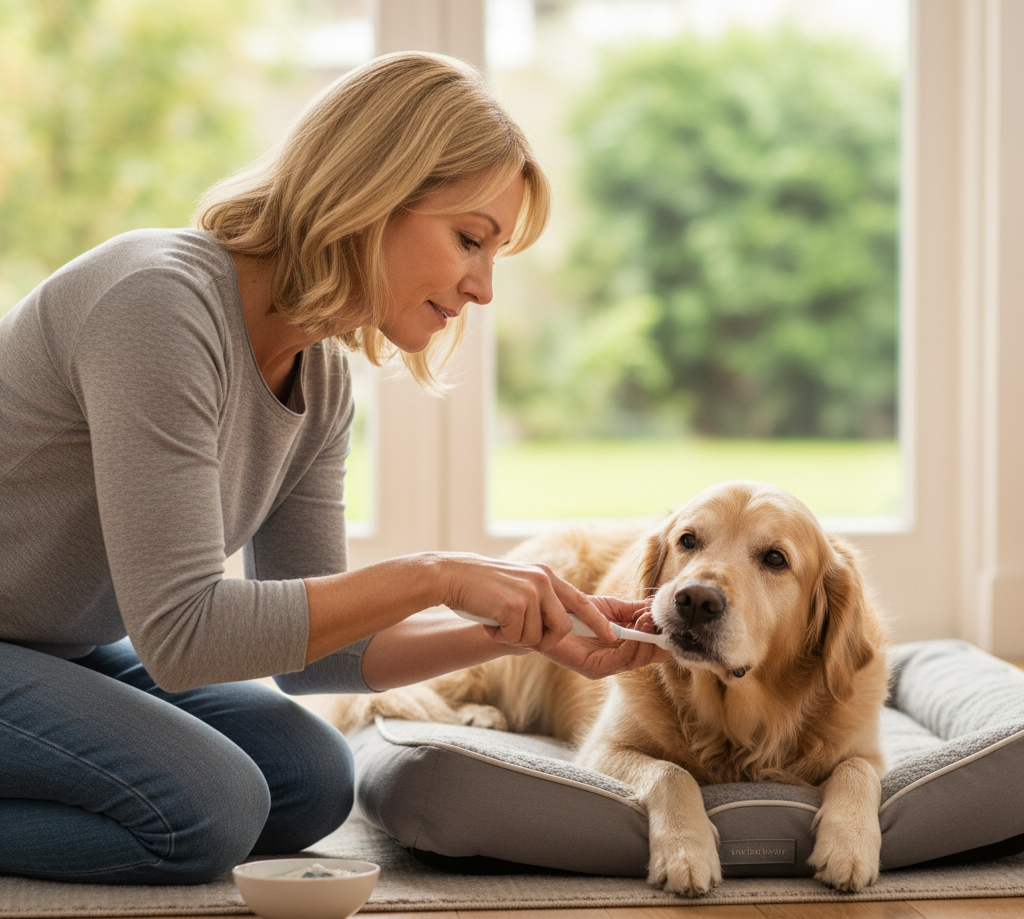
- The Technique: Start slow and make it a positive experience.
- Introduce the toothpaste first, letting them lick a small amount off your finger.
- Gently lift their lip and rub a small amount of paste on a few teeth with your finger.
- Once they’re comfortable, introduce the brush. Focus on the outside surfaces of the teeth, especially the molars and canines, as this is where plaque accumulates most. Aim for gentle, circular motions.
- Keep sessions short (30-60 seconds) and always follow with praise and a treat. Aim for daily brushing.
📚 Reference: Daily tooth-brushing remains the gold standard for reducing plaque and gingivitis in dogs. Chew products containing chlorhexidine, zinc salts, or specific abrasives significantly lower plaque scores by 40–60 % when used regularly. ( Gorrel C., Vet. Clin. North Am. Small Anim. Pract., 2013)
2. Dental Chews and Water Additives: Supplemental Support: While not a substitute for brushing or vet care, certain products can help maintain oral hygiene.
- Veterinary Oral Health Council (VOHC) Approved Chews: Look for dental chews that carry the VOHC seal. This means they have met specific scientific standards for reducing plaque and/or tartar. These chews typically have a unique texture that scrapes away plaque as the dog chews.
- Caution: Always supervise your dog when they are chewing to prevent choking, especially if they have missing or loose teeth. Ensure the chew is appropriate for their size and chewing strength – a very hard chew can fracture a fragile senior tooth.
- Dental Water Additives: These products are added to your dog’s drinking water and contain ingredients designed to reduce bacteria and plaque formation. They are passive, so they require no effort from your dog, but their effectiveness can vary.
- Considerations: Not all dogs like the taste, and they should never replace brushing or professional cleanings.
📚 Reference: Softer dental chews and enzymatic gels are safer for geriatric dogs with tooth wear or prior dental surgery. Hard bones and antler chews increase the risk of tooth fracture and oral pain in older dogs. ( Niemiec B.A., Front. Vet. Sci., 2017)
The Veterinary Advantage: Professional Cleanings and Beyond
No matter how diligent you are at home, a professional dental cleaning under anesthesia at your veterinarian’s office is periodically necessary for most dogs, especially seniors. This is often the biggest source of concern for owners, but it’s a critical component of senior dog dental care.
1. The Necessity of Anesthesia A thorough dental cleaning involves much more than just scraping visible tartar. It requires:
- Probing Below the Gumline: The most destructive periodontal disease occurs here.
- Dental X-rays: To identify issues below the gumline, such as abscesses, bone loss, or unerupted teeth.
- Scaling and Polishing: Ultrasonic scalers remove tartar, followed by polishing to smooth the tooth surface, making it harder for plaque to adhere.
- Extractions: Removing diseased or painful teeth that cannot be saved.
Dogs would never tolerate these procedures while awake, so anesthesia is essential for a safe, thorough, and pain-free cleaning.

Virbac CET Enzymatic Toothpaste
A vet-recommended enzymatic toothpaste designed specifically for dogs, helping to reduce plaque and tartar buildup without harsh brushing. Safe if swallowed— perfect for senior dogs with sensitive gums.
- Recommended by veterinarians worldwide
- Dual-enzyme formula works even with light brushing
- Non-foaming and safe if swallowed
As an Amazon Associate, GoldenPawsCare.com earns from qualifying purchases.
2. Addressing Anesthesia Concerns for Older Dogs: It’s natural to worry about anesthesia for an older pet. However, modern veterinary anesthesia protocols are extremely safe.
- Pre-Anesthetic Workup: This typically includes blood tests (to assess organ function), a physical exam, and sometimes an ECG. This helps your vet tailor the anesthetic protocol to your dog’s specific health status.
- Individualized Protocols: Anesthesia is not a one-size-fits-all approach. Your vet will select the safest drugs and dosages for your senior dog’s age and health conditions.
- Monitoring: During the procedure, your dog will be continuously monitored by a dedicated veterinary nurse using advanced equipment (heart rate, respiration, blood pressure, oxygen saturation, temperature).
- Pain Management: Post-procedure pain relief is a standard part of modern veterinary care, ensuring your dog’s comfort during recovery.
For an older dog with severe dental disease, the risks of not performing a dental cleaning often far outweigh the carefully managed risks of anesthesia. Removing a chronic source of pain and infection can dramatically improve their overall health and longevity.
3. When to Consider a Cleaning: Your vet will recommend a cleaning based on their oral exam. Signs that a cleaning is needed include:
- Significant tartar buildup.
- Red, swollen, or bleeding gums.
- Persistent bad breath (halitosis).
- Loose or fractured teeth.
- Changes in eating habits (e.g., reluctance to eat hard food).
🦷 Senior Dog Dental Care — Common Questions
Tap a question to view the answer.
How often should I brush my senior dog’s teeth?
What are reliable signs of dental pain in older dogs?
Are dental chews safe for seniors with fragile teeth?
My dog’s gums bleed a little when brushing—stop or continue?
Is a professional dental cleaning safe for senior dogs?
Can I use human toothpaste or mouthwash?
🦴 More Help for Senior-Dog Oral Health
Keep your older dog’s mouth comfortable, fresh, and pain-free with our trusted guides and tools:
- 🔹 Best Soft Dog Foods for Senior Dogs with Dental Issues
- 🔹 Dealing with Bad Breath & Odor in Senior Dogs
- 🔹 When Dental Pain Signals Deeper Health Problems
- 🔹 Hydration & Oral Health: Keeping Gums Healthy
- 🔹 Senior Nutrition Guide for Whole-Body Wellness
These resources expand on dental comfort, diet, and full-body wellness to help your senior dog thrive.
“As dogs grow older, oral pain can be subtle but deeply affect their mood, appetite, and quality of life. A gentle, consistent cleaning routine is far more effective — and kinder — than aggressive brushing done too rarely.”
— Dr. Elise Mendel, DVM, Senior Pet Wellness Consultant
A Lifetime of Smiles
Caring for an older dog is a journey of unwavering commitment, and their dental health is a cornerstone of their comfort and happiness. It’s a poignant truth that many senior dogs suffer in silence with dental pain, simply because they can’t tell us what hurts. But with consistent home care, the right tools, and the vital support of your veterinarian, you can ensure their golden years are filled with comfortable meals, joyful play, and freedom from unseen pain. Investing in their oral health is investing in their overall well-being and in every precious moment you have left together.