Rebuilding Trust with a Confused Senior Dog
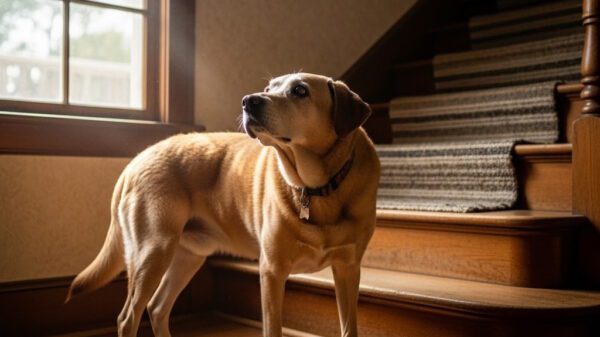
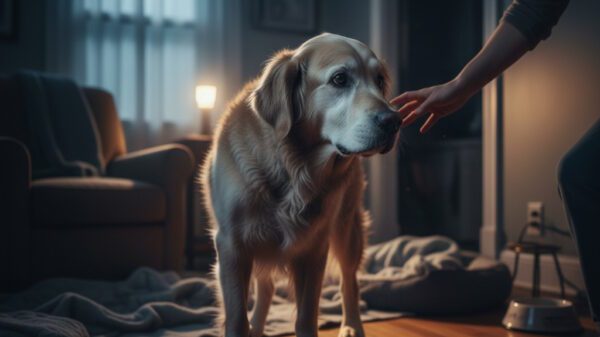
The look in his eyes was the hardest part. It was a flicker of vacancy where, for fourteen years, a universe of recognition used to be. My old dog, Charlie, would stand in the middle of the living room, a room he’d patrolled and protected his whole life, and look utterly lost. Sometimes, he’d even flinch when I reached out to pet him, as if startled by the touch of a stranger. My best friend, the one who knew my secrets and moods better than anyone, was becoming a stranger in his own home and a stranger to me. It was a silent, slow-motion heartbreak.
This experience is tragically common for those of us fortunate enough to have the love of a senior dog. When age begins to cloud their minds and senses, the foundation of trust we’ve built over a lifetime can feel like it’s crumbling. But I’m here to tell you, from both personal experience and a deep understanding of canine behavior, that the bond isn’t broken. It’s just changing. Rebuilding that trust isn’t about getting the old dog back; it’s about learning to love and connect with the dog you have now. This is a story of patience, adaptation, and a love that learns to speak a new language.
Veterinary behaviorists estimate that nearly half of dogs over age 10 show at least one sign of cognitive dysfunction — including confusion, startle response, or altered bonding behaviors.
In This Guide
Understanding the Fog: Why Senior Dogs Become Confused
Before we can help, we must understand. A confused senior dog isn’t being stubborn or spiteful; it’s simply trying to communicate. Their world is genuinely becoming a frightening and unpredictable place. This confusion typically stems from a few key factors:
- Canine Cognitive Dysfunction (CCD): Often called “dog dementia,” CCD is a progressive neurodegenerative disorder that affects a senior dog’s memory, learning, and spatial awareness. They might forget familiar commands, get lost in corners, or fail to recognize family members.
- Sensory Decline: Significant hearing loss and failing eyesight are common in senior dogs. When they can no longer hear you approach or see you clearly, your sudden presence can be startling, triggering a fear or defensive reaction; the world becomes a series of surprising, potentially scary events.
- Chronic Pain: Arthritis and other age-related conditions can make a dog irritable and withdrawn. They may associate touch with pain, causing them to shy away from petting or handling they once enjoyed.
“Confusion and startle reactions aren’t disobedience — they’re symptoms of sensory or cognitive decline. Calm tone, scent consistency, and soft touch rebuild familiarity faster than words.”— Dr. Sarah Kent, DVM, Veterinary Behavior Specialist
Imagine navigating your home with the lights off, your ears muffled, and your body aching, all while your memories fade in and out of focus. This is the reality for many confused senior dogs. Our job is to become their lighthouse in this fog.
This confusion isn’t rejection — it’s fear. Their world no longer feels familiar, and it’s up to us to be the steady presence that grounds them again.
Rebuilding the Bridge of Trust, One Plank at a Time
Rebuilding trust isn’t a checklist; it’s a mindset. It’s about shifting from expecting the old responses to creating new, safe, and positive associations.
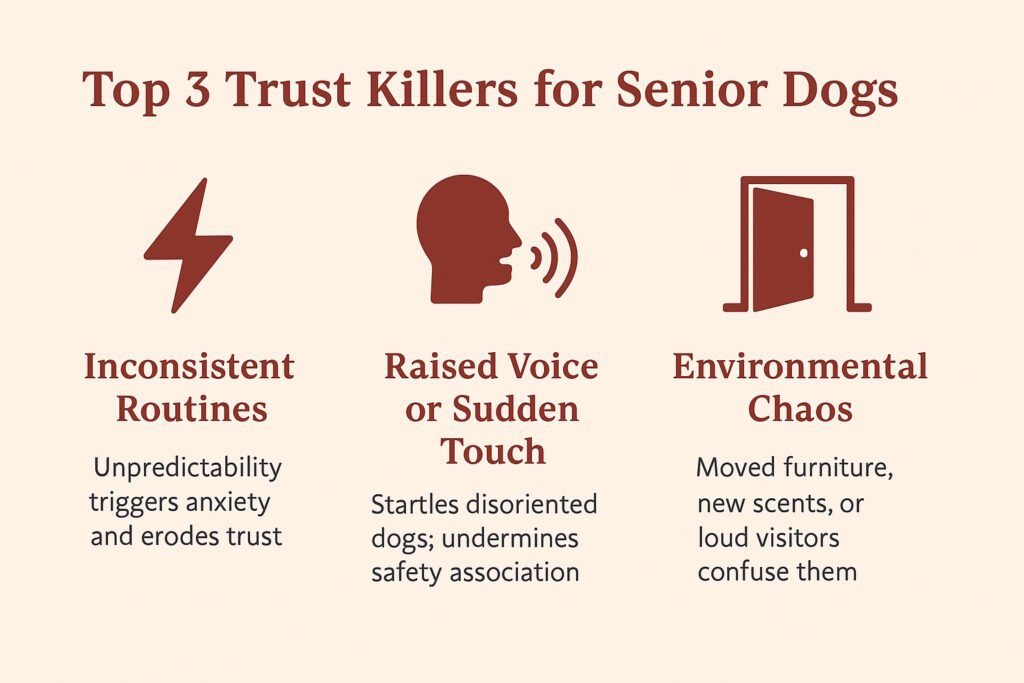
1. Become a Predictable Anchor in Their Storm: Confusion thrives on chaos. Your first and most powerful tool is an unwavering, predictable routine.
- What it looks like: Meals are served at the exact same times each day. Potty breaks are on a strict schedule. Walks, even if they’re just to the end of the driveway, happen at the same time. Bedtime is a consistent ritual.
- Why it works: When a dog’s internal clock and memory are failing, an external, predictable routine provides an immense sense of security. They don’t have to guess what’s coming next. You become the reliable, safe constant in their increasingly unpredictable world.
2. Re-learn Their Language and Speak Softly: Your old methods of communication may no longer work. You have to adapt to their new sensory reality.
- What it looks like: If their hearing is gone, stomp gently on the floor as you approach to create a vibration they can feel. If their vision is poor, always approach from the front, speaking their name softly so they can place you. Use slow, deliberate movements.
- Why it works: This prevents you from startling them. A startled dog is a fearful dog, and fear is the enemy of trust. By announcing your presence in a way they can perceive, you are constantly saying, “It’s me, I am safe, I mean you no harm.”
3. Create a Safe Haven, Not an Obstacle Course: Their home should be their sanctuary, a place that is easy and safe to navigate, even with a confused mind and frail body.
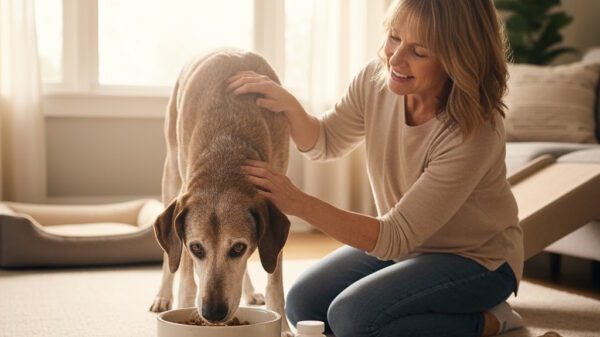
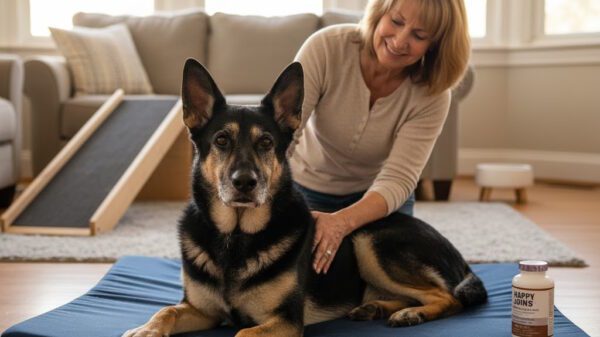
- What it looks like: Place non-slip rugs on slick floors. Install baby gates to block off stairs. Add nightlights in hallways that they use at night. Keep their food, water, and bed in the same, easily accessible location. Avoid rearranging furniture.
- Why it works: This reduces their physical and mental stress. When a dog doesn’t have to worry about slipping or bumping into things, their overall anxiety level decreases, making them more open to positive interactions.
4. Engage the Senses They Still Have: When one sense fades, others can become more important. Scent is a powerful tool for memory and comfort in dogs.
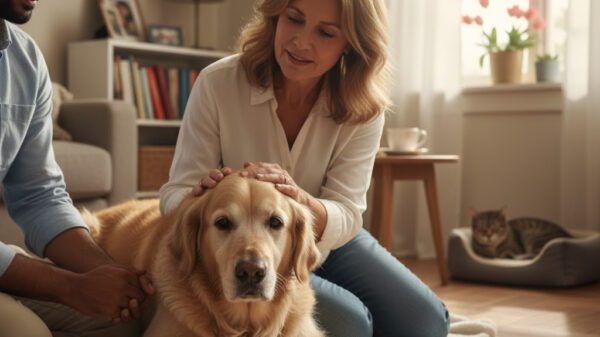
- What it looks like: Let them smell your hand before you pet them. Use a calming dog-appeasing pheromone spray on their bedding. Sit on their favorite blanket to imbue it with your scent. Engage them with gentle scent games, hiding a soft, smelly treat under a cup.
- Why it works: The olfactory bulb is strongly linked to the memory centers of the brain. Familiar, safe smells (especially your own) can cut through the mental fog, offering powerful reassurance and moments of recognition.
5. Embrace the Power of Parallel Presence: Sometimes, the best way to rebuild trust is to demand nothing at all.
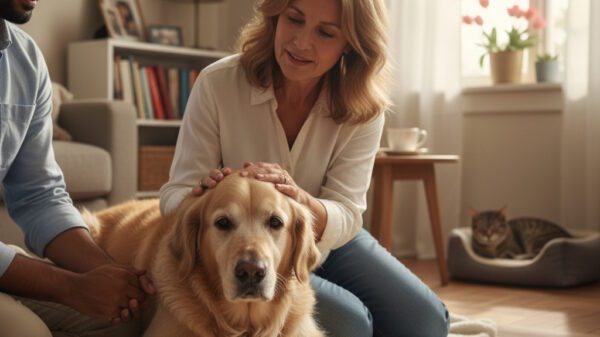
- What it looks like: Simply be in the same room with them. Bring a book or a laptop and sit on the floor a few feet away. Don’t talk to them, don’t touch them, don’t even make eye contact. Just share the space calmly.
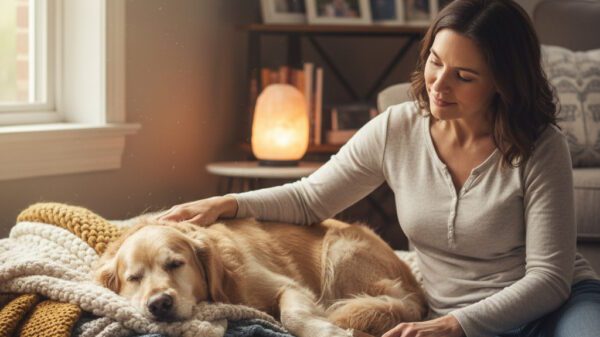
- Why it works: This teaches a fearful or confused dog that your presence doesn’t come with pressure or demands. You are just a calm, safe part of their environment. Over time, they may begin to close the distance themselves, seeking your quiet company. With my dog, Charlie, our biggest breakthrough came after a week of this. He slowly shuffled over and, for the first time in months, rested his head on my knee. There were no words, just a shared, peaceful silence. It was everything.
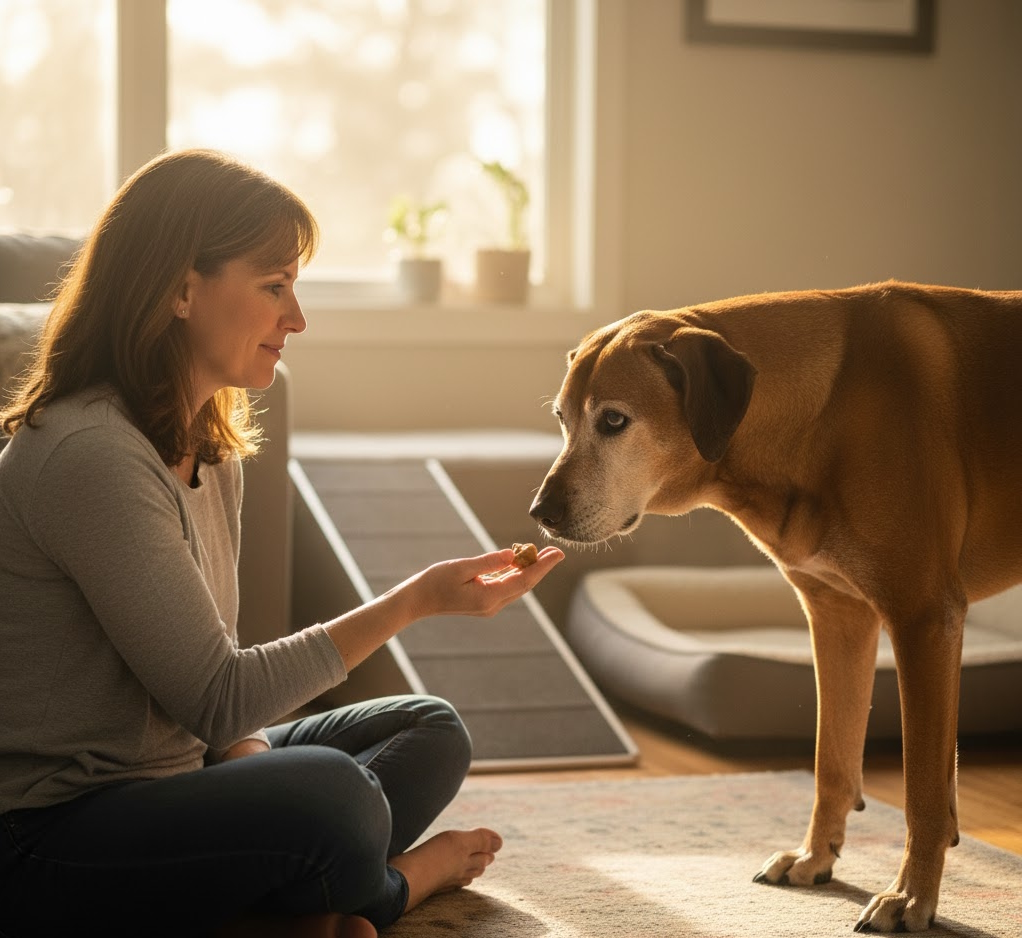
6. Offer High-Value, Gentle Reinforcement: Use soft, aromatic, high-value treats to gently rebuild positive associations.
| Product | Key Feature | Best For | |
|---|---|---|---|
| Thundershirt Classic Dog Anxiety Jacket | Applies gentle pressure to calm anxious dogs | Dogs startled by touch or noise | Check Price |
| Adaptil Calming Diffuser for Dogs | Releases synthetic pheromones to reduce stress | Confused seniors adjusting to environment | Check Price |
| Pet Tunes Calming Music Speaker | Pre-loaded with anxiety-reducing music | Sundowning episodes or night pacing | Check Price |
| VetIQ Calming Treats with Melatonin | Supports relaxation with chamomile & melatonin | Nighttime anxiety and restlessness | Check Price |
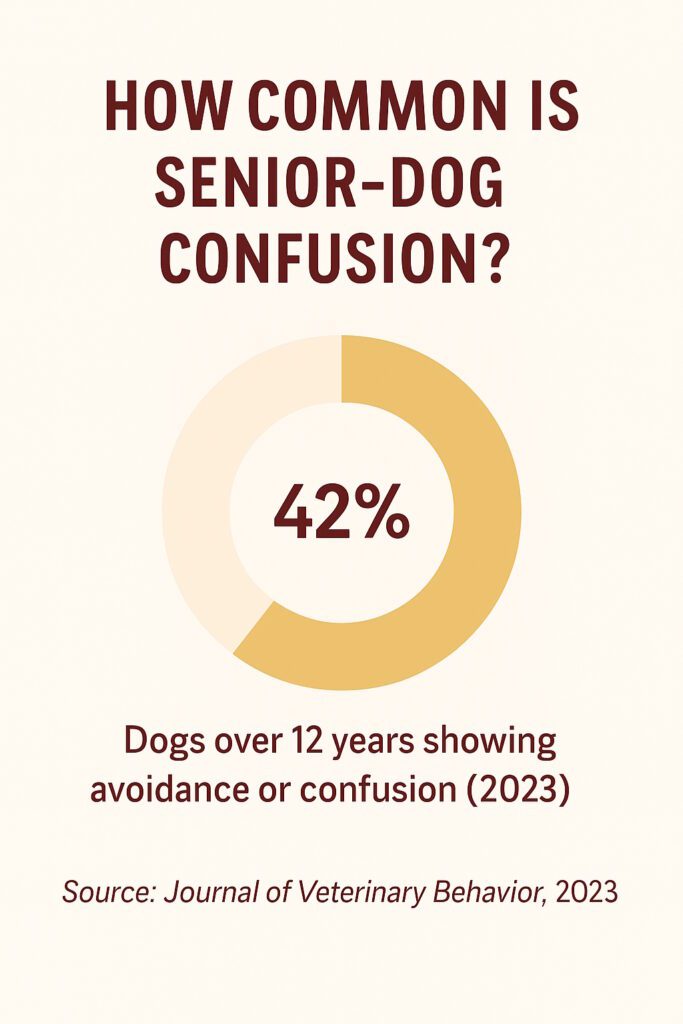
📊 Did you know? A 2023 study in the Journal of Veterinary Behavior found that 42% of dogs over 12 years old showed increased avoidance and disorientation as signs of cognitive decline. Recognizing these shifts early helps owners respond with patience, not punishment.
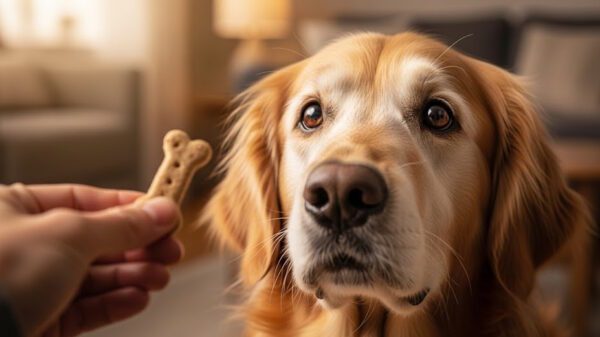
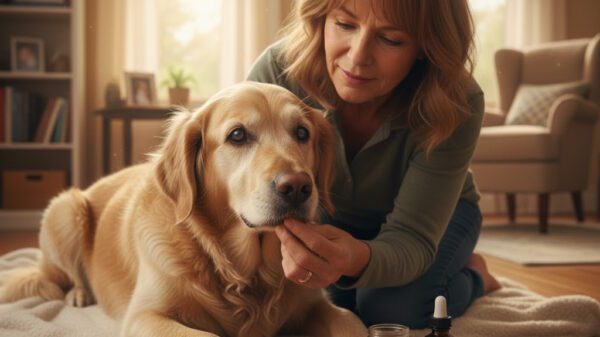
- What it looks like: When they do show a flicker of recognition, or allow a gentle pet without flinching, quietly praise them and offer a small piece of chicken or a lickable treat.
- Why it works: This is classical conditioning at its most gentle. You are layering a positive experience (a delicious treat) on top of an interaction they may have found stressful, slowly overwriting fear with pleasure.
🐾 Quick Reference: In 5 Minutes You Can…
- Speak softly and use one familiar cue (“It’s okay”).
- Offer a small treat when they make eye contact.
- Guide them gently to their bed using your voice, not your hands.
- End with calm praise — the goal is reassurance, not correction.
Repeat these micro-moments daily — they’re how trust rebuilds.
“Confusion isn’t disobedience — it’s a brain and senses trying to re-find home. Slow your tone, lower the demands, and keep the routine steady; trust returns when life feels predictable again.”— Dr. Sarah Kent, DVM, Veterinary Behavior & Senior-Dog Care
Is my dog “mad at me,” or just confused?
How long does it take to see progress?
What if gentle touch triggers a startle?
Can medication help rebuild trust or calm anxiety?
Should I change how I discipline or correct my senior dog?
How can I tell if my senior’s confusion is from dementia or hearing loss?
A Final Thought: Loving the Dog They Are Today
The journey with a confused senior dog will test your patience and break your heart at times. You will grieve for the dog they were. But in this process, you are given a profound opportunity: to offer the purest form of love. It’s a love that asks for nothing in return. It’s a love that celebrates a brief moment of clarity, a soft tail wag, or the simple comfort of a shared breath.
You are not just rebuilding trust; you are honoring a lifetime of devotion. You are their memory when theirs fails, their guide when they are lost, and their safe harbor in the storm of old age. And that is a final, beautiful gift to the best friend who gave you everything.