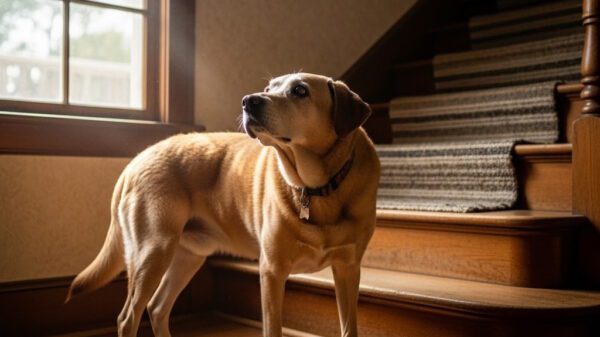
Senior Dog Stopped Eating?
You stood in the pet store aisle for twenty minutes. You compared protein sources. You read ingredient panels like you were studying for the bar exam. You paid $50 for a bag of “premium senior formula with ancient grains and ethically sourced blueberries.”
You poured it into the bowl. Your dog sniffed it once… and walked away.
If you’re currently standing in your kitchen, holding a spoonful of warm, wet food at a 45-degree angle, whispering, “Please, just try it,” welcome. You’re among friends.
Here’s the good news first: a senior dog suddenly picky about food is incredibly common. In fact, appetite changes are one of the most frequent signs of aging in dogs. The bad news is that it can mean something is wrong, but it does not automatically mean something catastrophic.
This isn’t a battle of wills. It’s a mystery. And today, we’re putting on our detective hats and ruling out suspects one by one.
If Your Senior Dog Stopped Eating: Start Here (30 Seconds)
This page is structured like a checklist for worried owners. Use this fast screen first — then jump to the phase that matches your dog.
Go to a vet / ER today if you see any of these:
- No food and low water intake, or repeated vomiting.
- Bloated/tight belly, gagging, unproductive retching.
- Collapse, severe weakness, trouble breathing, blue/pale gums.
- Black/tarry stool, blood in vomit or stool.
- Known diabetes/kidney disease + sudden appetite crash.
Next 2 hours plan (if no red flags):
- Offer warm, aromatic food (10–15 sec microwave) — not hot.
- Try a “soft texture test”: add warm water/broth to kibble or offer canned.
- Change one variable (texture, bowl height, location) — not five.
- Quick mouth check: drool, pawing, bad breath, one-side chewing.
- If appetite is still zero by tonight, begin a symptom log for your vet.
In This Article
Phase 1: The Red-Flag Check (Medical First, Always)
Before we talk about toppers, microwaves, or whether your dog has developed the palate of a French food critic, we need to address the non-negotiable rule.
How Long Can a Senior Dog Go Without Eating?
This is the most common question panicked owners ask. While a healthy adult dog might handle 48 hours without food, a senior dog should not go more than 24 hours without eating. Seniors have fewer physical reserves and dehydrate faster.
🚨 Vet Now If:
- Your dog hasn’t eaten anything in 24 hours.
- There’s vomiting, diarrhea, or sudden lethargy.
- They’re losing weight rapidly.
- You notice drooling, pawing at the mouth, or bad breath that could knock you over.
If none of those are present, we move to the most common “silent” culprit.
Reality Check: Food vs. Water (Why Hydration Matters More Than Appetite)
| Time window | What it can mean | What to do |
|---|---|---|
| 0–12 hours | Often stress, nausea, pain, dental tenderness, “food boredom,” or senses fading. | Warm food aroma, change texture, quiet feeding spot, symptom note. |
| 12–24 hours | Appetite strike becomes more concerning in seniors, especially with lethargy. | Call your vet if no improvement; start a log (food, water, stool, vomit). |
| 24+ hours | Higher risk of dehydration + underlying illness being missed. | Vet guidance strongly recommended (same day if paired with weakness). |
| Water refusal (any duration) | Dehydration can accelerate fast in older dogs. | Contact a vet if water intake drops sharply or gums are tacky/dry. |
Quick at-home dehydration hints: tacky gums, sunken eyes, sticky saliva, low energy, concentrated urine, “skin tent” that stays raised.
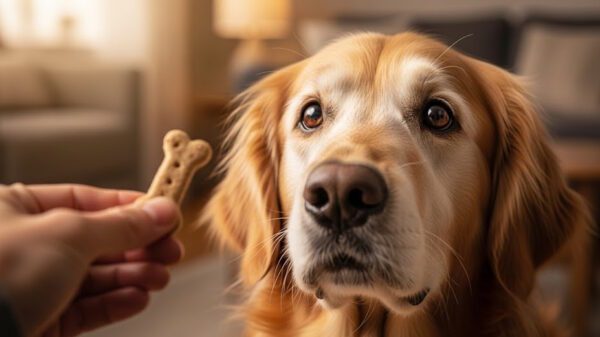
The Silent Pain: Dental Disease: This is the number one reason behind “dog stopped eating dry food but eats treats.” Senior dogs are masters of suffering quietly. Dental disease doesn’t usually cause dramatic yelping — it causes a dull, constant ache. Crunching kibble hurts. Chewing hurts. But treats? Treats are often swallowed whole. No chewing required.
So yes, your dog can absolutely refuse their food bowl and still inhale a milk bone like nothing’s wrong. That doesn’t make them manipulative. It makes them uncomfortable.
The Nausea Loop: Kidney disease, liver changes, and even certain medications can cause low-grade, chronic nausea. Think of it as living with a mild hangover. You’re not vomiting — you just don’t want food. This is where your vet may recommend a senior dog appetite stimulant (natural or prescription) to break the cycle.
Phase 2: The Senses Decline: (Why Food Tastes Like Cardboard)
Dogs don’t “taste” food the way we do. They smell it. Up to 80% of a dog’s enjoyment of food comes from aroma.
Here’s the uncomfortable truth: As dogs age, their sense of smell fades. Not disappears — fades. And when smell fades, food becomes… sad. That expensive kibble? To your senior dog, it may smell like yesterday’s newspaper.
The Microwave Hack: Before switching foods (again), try this:
- Microwave the food for 5–10 seconds.
- Stir it well to avoid hot spots.
- Serve warm, not hot.
Heat releases volatile aroma compounds. You’re not changing the nutrition — you’re unlocking the smell. This single trick solves more “senior dog picky eater” cases than you’d believe.
Strategic Toppers (A Little Goes a Long Way): Think aroma boosters, not full meals:
- Warm, unsalted bone broth.
- Sardine juice (not the whole sardine — we’re not monsters).
- Green tripe (yes, it smells like a crime scene — that’s the point).
If you’re searching for a natural, strong-odor appetite stimulant for senior dogs, a strong aroma is your safest starting point.
Phase 2.5: The Confusion Factor (Dementia/CCD)
Sometimes, the issue isn’t taste—it’s memory. Dogs with Canine Cognitive Dysfunction (CCD) or dementia can sometimes “forget” to eat, or they may pace nervously around the bowl but not engage because the routine feels unfamiliar.
- The Sign: They wander away from the bowl mid-meal or stare blankly at it.
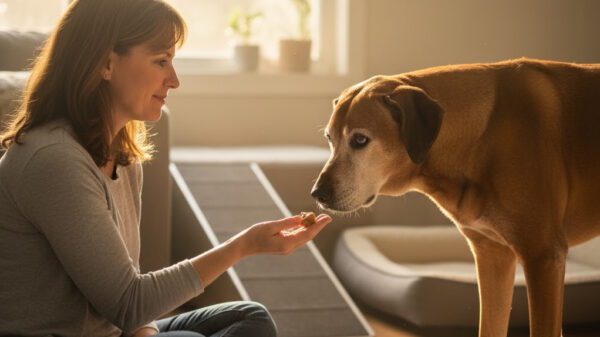
- The Fix: Gently guide them to the bowl. Sometimes, hand-feeding the first few bites “reminds” them what they are supposed to be doing.
Use These Next (If You Want Faster Answers)
Phase 3: The Comfort Check (The Environment Matters)
This is where most owners miss the mark — and where I see miracles happen.
The Neck Pain Problem: Arthritis doesn’t just affect the hips. Many seniors have neck or shoulder stiffness. Bending down to a bowl on the floor can hurt.
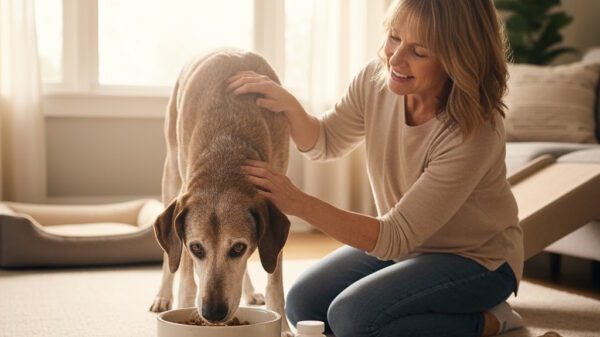
- Fix: Use an elevated feeder so the bowl comes to chest height. Watch closely. The difference is often immediate.
The Slippery Floor Trap: Imagine trying to eat dinner while doing involuntary splits. If your dog’s bowl sits on tile, hardwood, or vinyl, their paws may slide while they eat. For seniors, that lack of traction triggers anxiety. Anxiety kills appetite.
- Fix: Put a yoga mat, bath mat, or rubber rug under the bowl. It sounds absurdly simple — it works absurdly well.
Whisker Fatigue in Dogs (Yes, It’s Real): Deep bowls press against sensitive whiskers, overstimulating nerve endings. For seniors with reduced tolerance, this can be enough to make meals unpleasant.
- Fix: Ditch the bowl. Use a wide, shallow plate. This is especially effective if you suspect whisker fatigue in dogs is part of the puzzle.
Phase 4: The “Buffet” Strategy (Actionable Hacks)
Once health, smell, and comfort are addressed, we move into strategy.
Texture Swapping: If teeth or gums are the issue, dry food may be the enemy.
- Soak kibble in warm water or broth.
- Let it swell into “doggy oatmeal.”
- Mash lightly with a fork.
If you’re searching for the best soft food for senior dogs with bad teeth, this method lets you keep a familiar diet without starting from scratch.
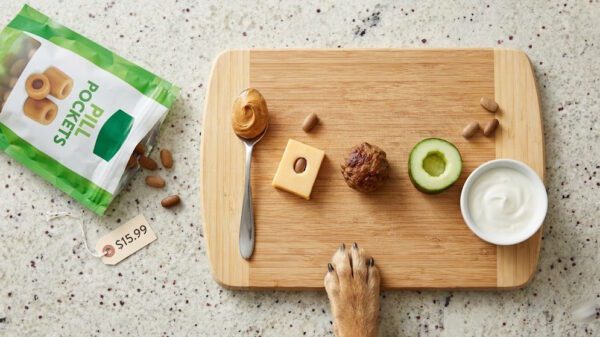
Emergency “Safe Foods” to Jumpstart Appetite: If you are desperate to get any calories into them, these are generally safe, high-value options to try in small amounts:
- Plain Scrambled Eggs: High protein, easy to chew, and gentle on the stomach.
- Plain Boiled Chicken/Turkey: Shredded very finely (no skin/bones).
- Canned Pumpkin (Not Pie Filling): Good for digestion if they have a sensitive tummy.
- Plain Greek Yogurt: A small dollop can make boring kibble exciting.
Social Eating (You’re Part of the Pack) Many seniors feel vulnerable while eating. Vision fades. Hearing dulls. Eating becomes risky.
- Try this: Sit nearby while they eat. Talk calmly. Pretend you’re not watching (very important). You’re not coddling; you’re providing security.
Rotational Feeding for Senior Dogs: Like people, dogs get bored. But constant food switching causes digestive chaos. Rotational feeding for seniors means rotating compatible proteins or flavors every few weeks, not daily roulette. This keeps interest high without upsetting the gut.
FAQ: Senior Dogs Who Stop Eating
How long can a senior dog go without eating?
It depends on hydration and the underlying cause. In seniors, a full day of food refusal is more concerning than in younger dogs — especially if energy drops, vomiting appears, or water intake falls. If appetite stays at zero into the next day, talk to your vet.
My dog will take treats but not meals — what does that mean?
Often this points to nausea, dental tenderness, pain, or a “texture/smell” issue rather than true stubbornness. Treats are usually softer, smellier, and lower-effort to chew. Use that clue: warm aroma, soften texture, and check for mouth pain signs.
Should I switch foods immediately?
Not as your first move. Change one variable at a time so you can identify the real cause. Start with warming, softening, and changing the feeding setup. If a full switch is needed, do it with your vet’s input — especially for seniors with sensitive stomachs or chronic disease.
What are the most common reasons older dogs stop eating?
Dental pain, arthritis/neck pain while reaching the bowl, nausea (including medication side effects), fading smell/taste, stress/routine disruption, and underlying illness. The fastest win is usually: warm aroma + soft texture + comfort setup.
When is it an emergency?
If food refusal pairs with repeated vomiting, belly bloating/retching, collapse, breathing trouble, black stools, significant weakness, or a major drop in water intake — treat it as urgent and call a vet or ER.
Conclusion: It’s a Puzzle, Not a Battle
When a senior dog suddenly becomes picky about food, it feels personal. It’s not. It’s communication.
Your job isn’t to “win” — it’s to listen, adjust, and experiment. Change one variable at a time. Observe. Adapt.
And remember this: If your dog is eating something — even if it’s not Instagram-perfect — you are winning.
They don’t need gourmet. They need comfort, safety, and a little help from the human they trust most. You’ve got this.