Senior Dog Morning Routine
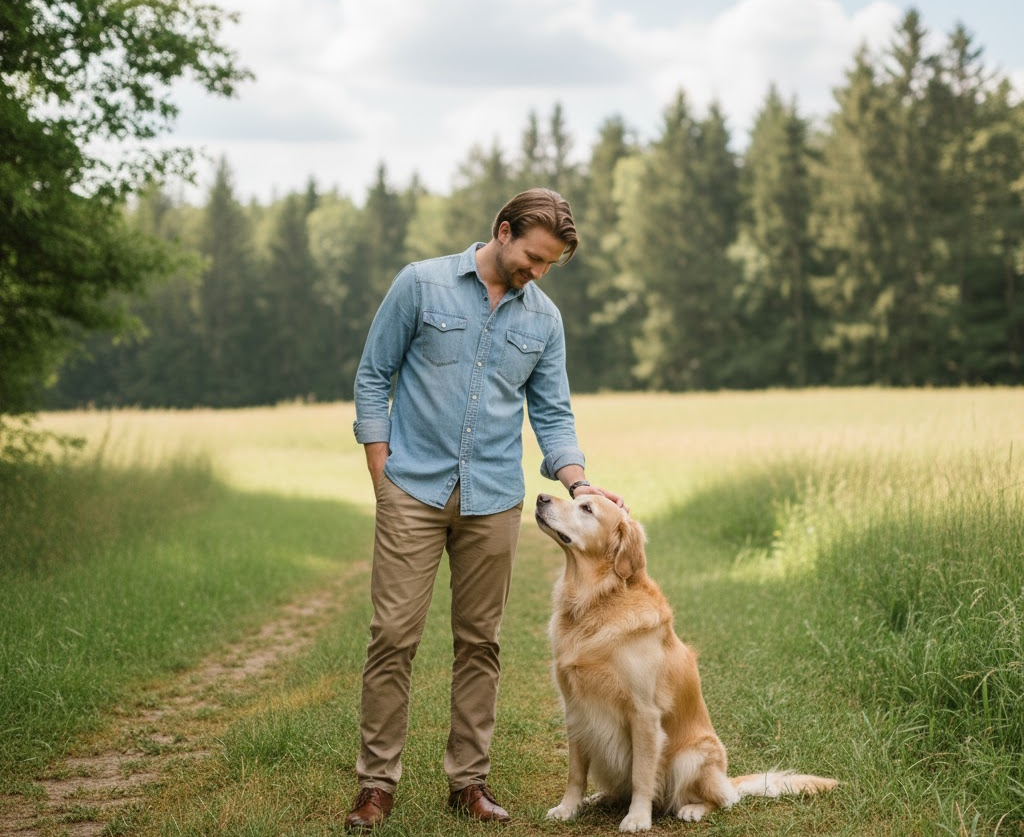
The way a senior dog greets the morning is a profound lesson in quiet dignity. The explosive energy of their youth has mellowed into a slow, deliberate series of stretches, often accompanied by a soft groan and a thoughtful blink of the eyes. Their world has become smaller, their senses may be dimmer, but their need for comfort, predictability, and connection is more vital than ever. As a devoted owner, one of the most powerful gifts you can give your aging companion is the gift of a consistent, gentle, and supportive morning routine.
As a family of experts who have cherished the quiet mornings with our senior dogs, my wife and I have learned that a structured start to the day is far more than just a schedule—it’s a form of communication. It tells your dog, “You are safe, you are cared for, and I understand what you need.” A well-designed Senior Dog Morning Routine can help manage joint stiffness, support cognitive function, aid digestion, and significantly reduce anxiety. This article serves as a comprehensive model schedule—a hub of best practices you can adapt to your dog’s unique needs—and offers opportunities to dive deeper into specific aspects of their care.
In This Guide
The Philosophy: Why Routine is a Lifeline for Senior Dogs
Before we walk through the schedule, let’s take a moment to understand the “why.” Predictability is a powerful anchor for a senior dog whose world might be growing confusing due to cognitive changes or sensory loss. A consistent routine provides a framework for their day, minimizing stress and helping them conserve precious energy for what truly matters: enjoying their time with you. This schedule is designed to be a gentle transition from rest to activity, honoring their physical and mental needs at every step.
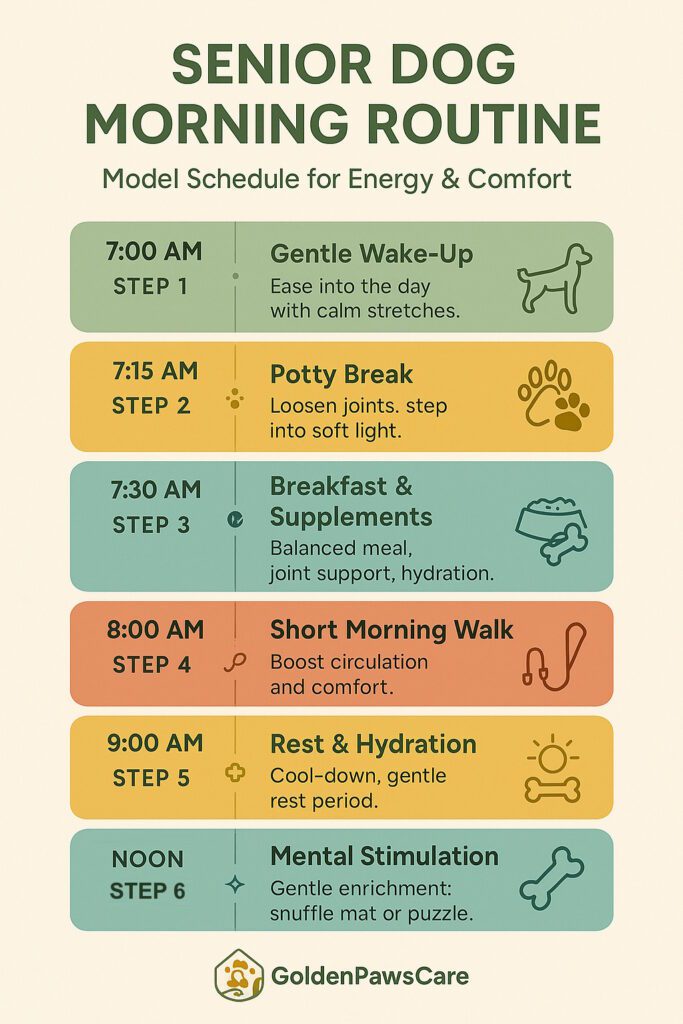
A Model Senior Dog Morning Routine
(Note: The times are approximate. Adjust them to fit your lifestyle, but keep the sequence and pacing consistent.)
Step 1: The Gentle Wake-Up (7:00 AM)
Goal: To wake your dog calmly, without causing surprise or anxiety.
The days of a wet nose and an enthusiastic pounce to wake you up may be over. Many senior dogs, especially those with hearing or vision loss, can be easily startled. A sudden awakening can spike their anxiety for the rest of the morning.
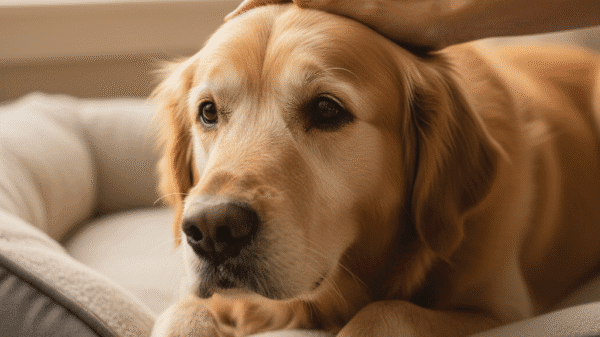
- How to do it: Approach them slowly and calmly. If they are hearing impaired, a gentle stomp on the floor can create a vibration to alert them to your presence. Speak their name in a soft, calm voice as you get closer. Let them see your hand before you touch them, then offer a gentle, slow stroke along their back or side. Avoid sudden movements or loud noises. Let them take their time sitting up and getting their bearings.
- Why it matters: This first interaction sets the tone for the rest of the morning. A calm, respectful awakening is a crucial step in rebuilding trust with a confused senior dog whose world may be becoming increasingly unpredictable.
Step 2: The Potty Break & Mobility Check (7:05 AM)
Goal: A safe and comfortable first trip outside while observing their physical state.
This is often the most challenging physical task of their morning. Their joints are stiff, their bladder is full, and their balance might be shaky. Your role is to be their support system.
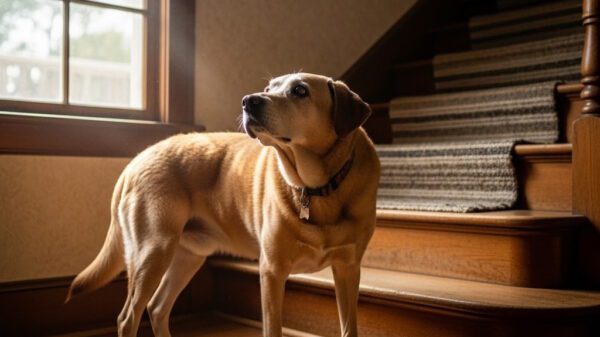
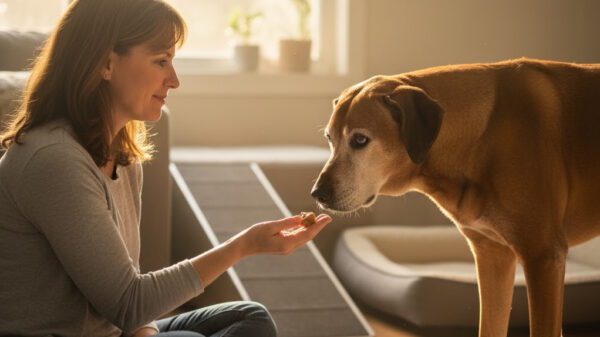
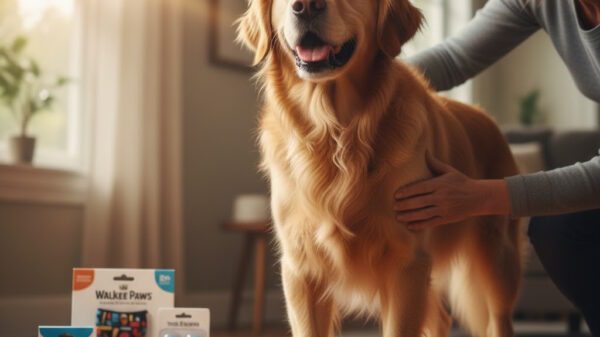
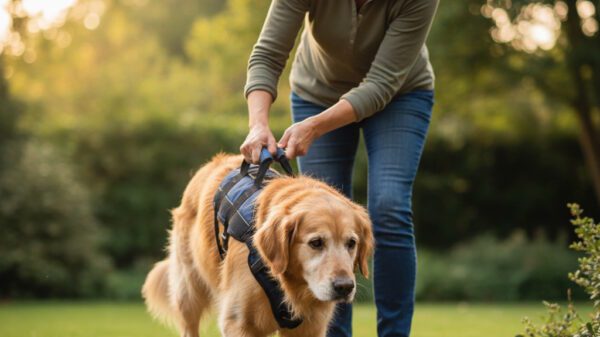
- How to do it: Use a supportive harness (like the Help ‘Em Up Harness) to assist them, taking pressure off their neck and spine. If you have stairs, consider a ramp or, if possible, carry them. Ensure the path to the door is clear with non-slip runners, and consider using tools like the best non-slip socks and paw grips for senior dogs to give them extra stability. As they walk, observe their gait. This daily check-in is your best diagnostic tool and a key way to avoid the top mistakes owners make when managing canine arthritis.
- Why it matters: Preventing slips and falls is paramount to avoiding injury and maintaining their confidence. This is also your moment to assess their pain level, which will inform how you approach exercise and activity for the rest of the day.
Step 3: Breakfast, Supplements & Medication (7:20 AM)
Goal: Provide a nutritious, easy-to-eat meal and administer necessary health support.
Mealtime is a cornerstone of their health and happiness. For seniors, how they eat is as important as what they eat.
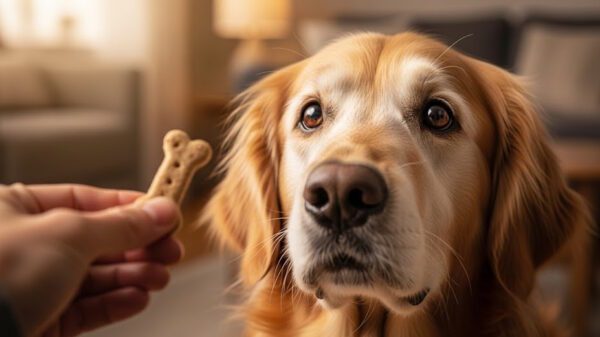
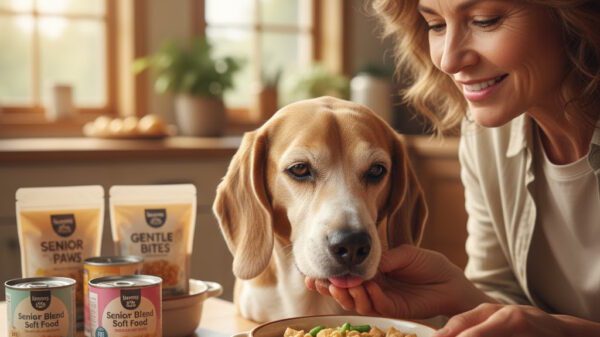
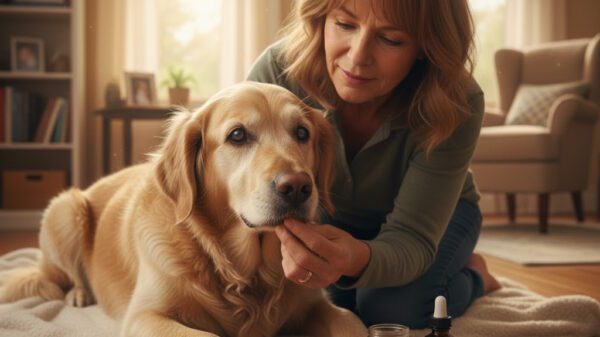
- How to do it: Prepare their breakfast. Choosing the best soft dog foods for senior dogs with dental issues ensures they receive the necessary calories without experiencing pain. Serve the meal in an elevated bowl to reduce strain on their neck and shoulders. This is the perfect time to mix in any veterinarian-approved aids, such as natural supplements for dog dementia or arthritis medication, which are crucial for managing chronic conditions and supporting their overall well-being.
- Why it matters: A proper diet provides the building blocks for health. Making the meal easy to consume ensures they receive the necessary calories without discomfort, while consistent administration of health supplements helps manage their specific conditions effectively.
Step 4: The Gentle Warm-Up & Massage (7:45 AM)
Goal: To ease morning stiffness and improve circulation before more significant movement.
After eating and before a walk, a few minutes of gentle massage and stretching can work wonders for an arthritic body.
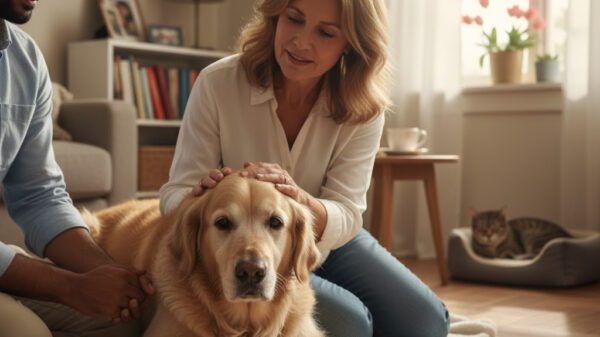
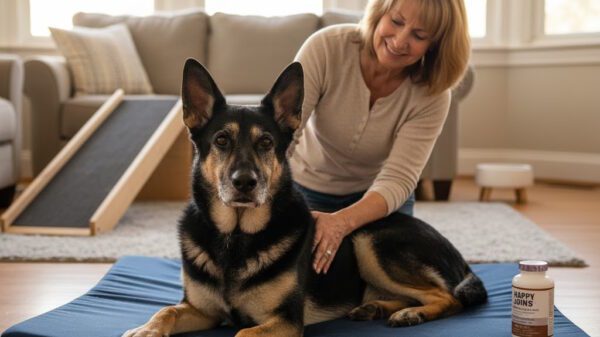
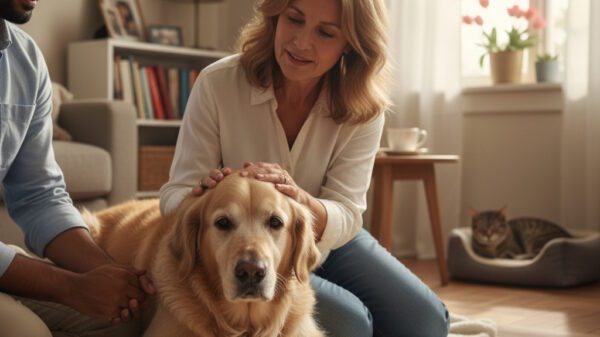
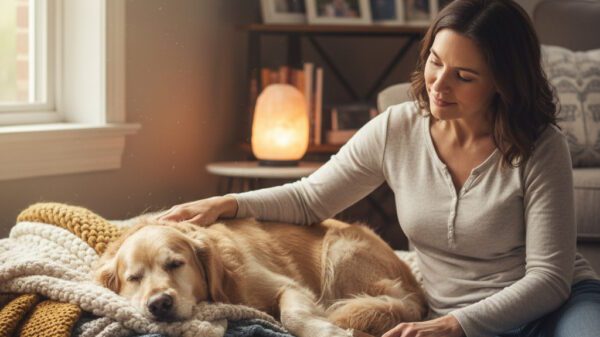
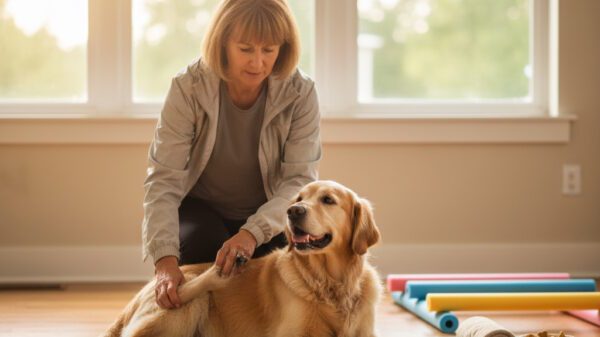
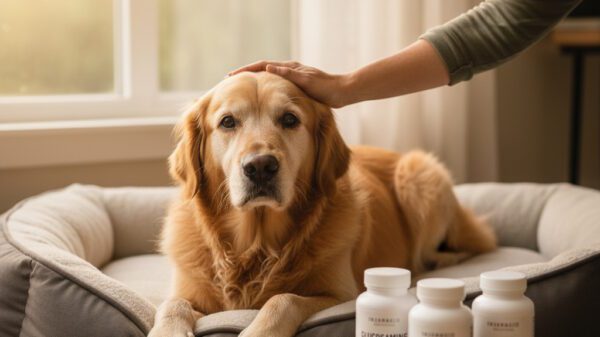
- How to do it: With your dog lying comfortably, use long, gentle strokes along their major muscle groups—the shoulders, hips, and back. Never press directly on a joint. You can also perform passive range-of-motion exercises (as demonstrated by your vet or a rehab professional) by gently flexing and extending their legs.
- Why it matters: This simple act helps warm up their muscles and lubricate their joints, a key component in a good plan for managing canine arthritis. It’s also a wonderful bonding experience.
Step 5: Mind & Body Engagement (8:00 AM)
Goal: A short, stimulating walk and/or brain game to engage their mind and body.
Exercise remains vital, but its nature has changed. The goal is no longer distance or speed, but sensory enrichment and gentle movement.
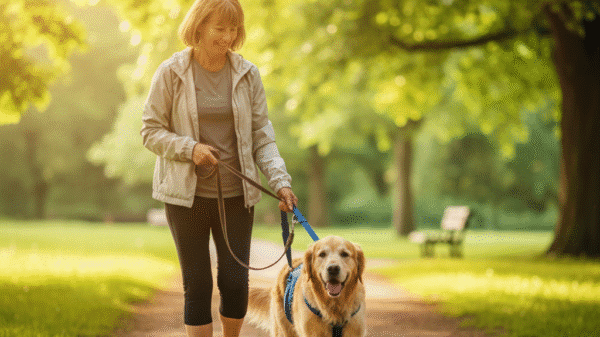
- How to do it: Take a short, slow walk around the block. Let them lead the pace and give them plenty of time to sniff. This “sniffari” is incredible mental stimulation. If a walk is too much, engage them in a simple indoor activity. There are many fantastic brain games for senior dogs that can keep their minds sharp and engaged.
- Why it matters: Mental engagement is just as important as physical exercise for staving off cognitive decline. Sniffing lowers a dog’s heart rate and is a naturally calming activity. It allows them to engage with the world on their terms, building confidence.
Step 6: The Mini Grooming & Health Check (8:30 AM)
Goal: Quick daily hygiene and a hands-on health assessment.
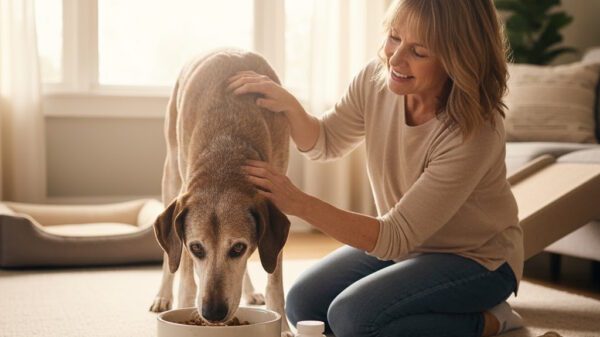
A minute or two of grooming can be incorporated into your morning petting session and is a great way to keep them comfortable while checking for any issues.
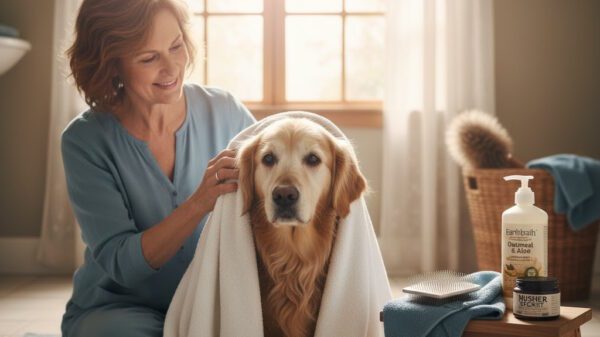
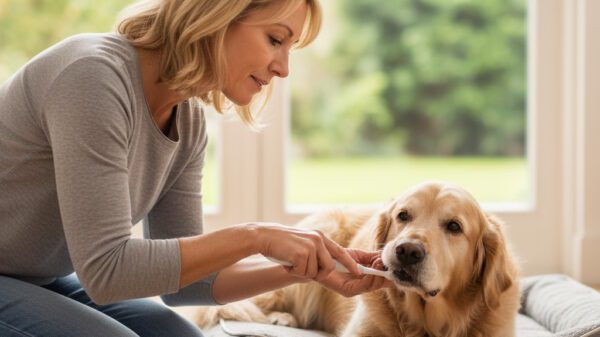
- How to do it: Use a soft, damp cloth to gently wipe any sleep from their eyes. Give their coat a quick once-over with a soft brush to stimulate the skin and remove loose fur. While you’re petting them, run your hands all over their body, feeling for any new lumps, bumps, or tender spots.
- Why it matters: This daily ritual prevents eye gunk from building up, keeps their coat healthy, and is your best tool for early detection of potential health problems, making it a mini version of a full senior dog spa day at home.
Step 7: The Cozy Wind-Down & Nap (8:45 AM)
Goal: To settle your dog for a comfortable and secure morning nap.
After the morning’s activities, your senior dog will be ready for a well-deserved rest.
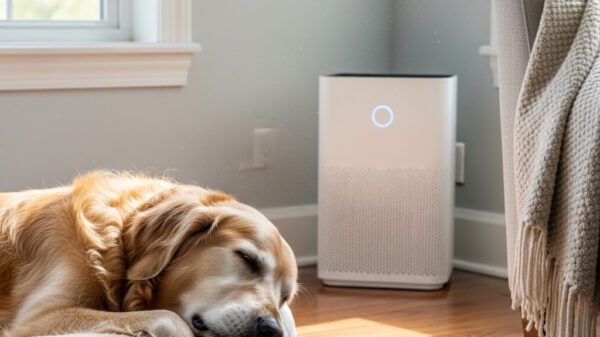
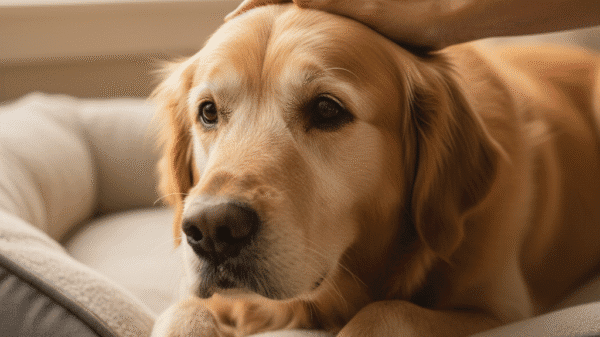
- How to do it: Guide them to their favorite orthopedic bed and ensure it’s in a warm, draft-free spot. Offer a gentle chew or a favorite soft toy. Give them a final pat and let them settle down.
- Why it matters: Quality rest is essential for recuperation. Providing a dedicated, comfortable, and safe space for them to sleep ensures they can fully recharge.
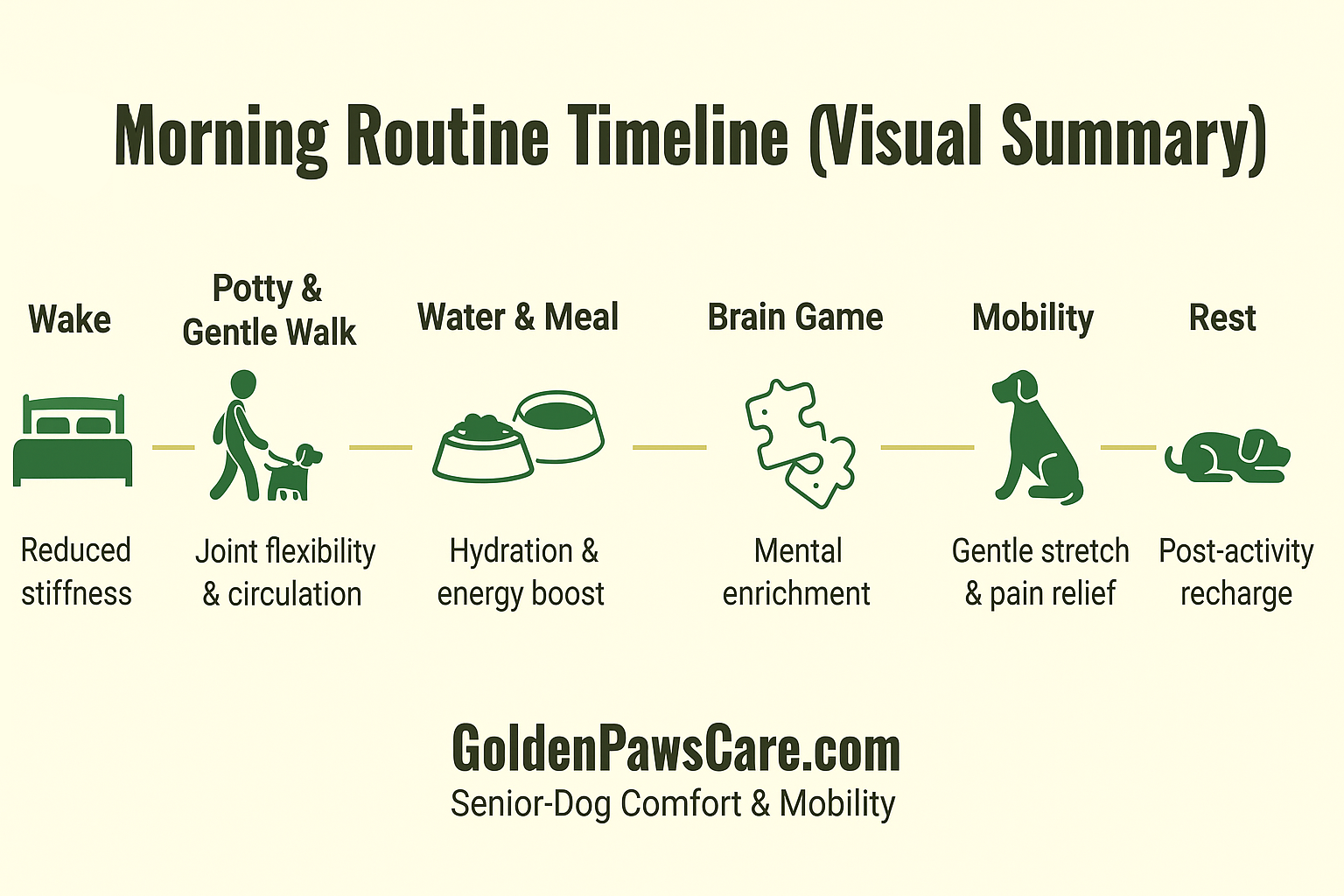
Morning Routine at a Glance
| Time | Activity | Why it helps | Tips for seniors |
|---|---|---|---|
| Wake + 5–10 min | Potty break & gentle warm-up walk | Lubricates joints, stimulates bowels | Non-slip path; harness assist if stiff |
| After walk | Fresh water + small breakfast | Hydration & steady energy | Elevated bowl; slow feeder if gulping |
| +15–20 min | Short brain game/sniff mat | Cognitive engagement, calmer mood | Keep sessions short & easy wins |
| +10 min | Light mobility work (sit-to-stand, cookie stretches) | Maintains range of motion | Soft surface; stop at first resistance |
| Settle | Calm rest in comfy spot | Prevents over-fatigue, supports recovery | Orthopedic bed; warm, draft-free corner |
Helpful Morning Routine Gear
- Orthopedic bed for warm, joint-friendly rest
- Non-slip flooring/path to the door & bowls
- Elevated food & water bowls (reduce neck/shoulder strain)
- Sniff mat / puzzle feeder for short, calm enrichment
- Lift/mobility harness for confident potty breaks
Products are independently chosen; we may earn from qualifying purchases at no extra cost to you.
Morning Routine — Common Questions
Answers reviewed by Dr. Sarah Kent, DVM (Senior-Dog Care).
How long should the morning walk be?
Feed before or after the walk?
What if my dog seems sore in the morning?
A Final Thought: Cherishing the Quiet Moments
This Senior Dog Morning Routine is more than a list of tasks; it’s a daily love letter to your aging friend. It’s a promise to be their advocate, their support system, and their source of comfort as they navigate the challenges of their golden years. In a world that often prizes speed and youth, these slow, deliberate mornings are a gift—a chance to be fully present and to honor the incredible journey you’ve shared.