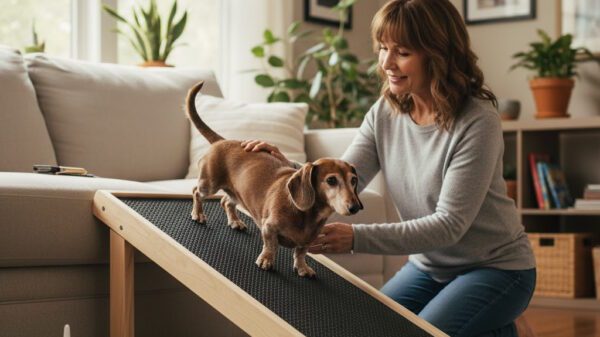
There’s a moment that catches in the throat of every loving dog owner. It’s not a dramatic event, but a quiet, heartbreaking shift. It’s the hesitation before a jump onto the couch that was once effortless. It’s the slight wince when they land after hopping out of the car. It’s the look in their eyes that says, “I want to, but it hurts.” This is the quiet reality of canine arthritis, a condition that robs our best friends of their joyful, bouncy mobility.
🦴 Why ramps help: Veterinary rehabilitation texts note that using a ramp (vs. jumping up/down) can reduce peak joint loading in sore hips and elbows, making daily access safer for arthritic or post-surgical dogs. Source: Millis & Levine, Canine Rehabilitation & Physical Therapy, 2nd ed.
Best Dog Ramps for Arthritis
As we watch our loyal companions age, their spirits remain as vibrant as ever, but their bodies tell a different story. The cartilage in their joints wears thin, leading to pain, inflammation, and stiffness. Every high-impact leap becomes a source of discomfort, potentially worsening their condition. But we are not helpless. In the fight to preserve our dogs’ quality of life, one of the most powerful yet simple tools in our arsenal is dog ramps.
Quick Summary
What this page answers:
This page explains how dog ramps reduce joint strain for arthritic dogs, how to choose the safest ramp based on your dog’s size and height needs, and which features actually matter for long-term mobility—not just convenience.
Best takeaway for senior dog owners:
A properly sized ramp with a gentle slope and secure traction can prevent daily micro-injuries from jumping, slow arthritis progression, and preserve your dog’s independence far longer than waiting until mobility is visibly failing.
When to call a vet:
Call your vet if your dog shows sudden difficulty using a ramp, refuses surfaces they previously tolerated, limps or vocalizes after climbing, slips despite good traction, or shows rapid mobility decline—these are often signs of pain flare-ups, neurological issues, or injury rather than simple aging.A sudden refusal in a senior dog is often a symptom—not a behavior problem.
In This Guide
This isn’t just about convenience; it’s about dignity. It’s about giving back the freedom that arthritis tries to take away. A well-chosen dog ramp is a bridge back to their favorite spots—a warm bed, a cozy spot on the sofa, or the passenger seat for a ride with the windows down. In this guide, we’ll walk you through not just what to buy, but why you’re buying it, helping you make the best possible choice for the dog who has given you everything.
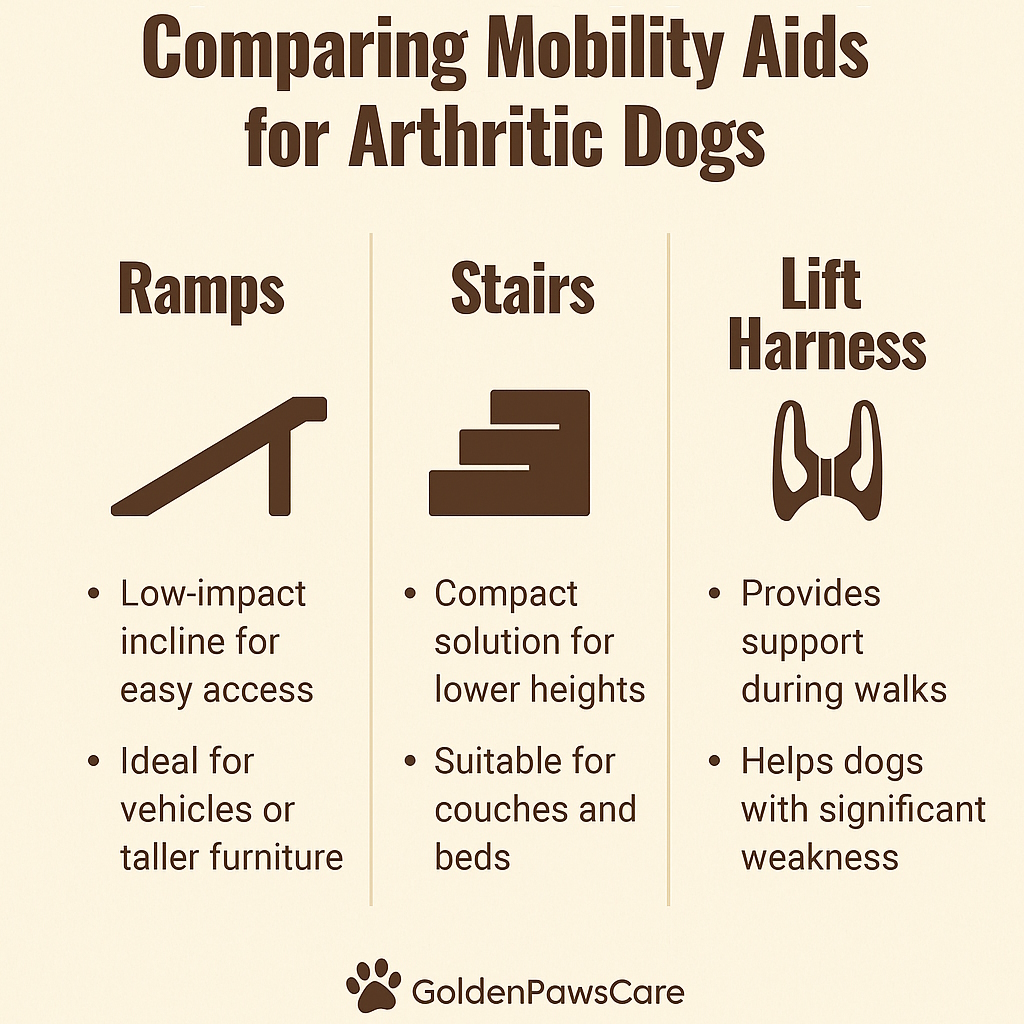
More Than Just an Incline: Why Dog Ramps Are a Game-Changer
Before we dive into models and materials, let’s truly understand the profound impact a ramp can have on an arthritic dog’s life.
- Pain Reduction and Management: The single greatest benefit is the elimination of jarring impacts. Jumping down from a height, even just a foot or two, sends a shockwave through the shoulders, elbows, hips, and spine. For an arthritic dog, this is acutely painful. A ramp transforms that jolt into a gentle, low-impact stroll, dramatically reducing daily pain.
- Injury Prevention: An older dog with stiff joints is more prone to misjudging a jump, slipping, or landing awkwardly. Such a mishap can lead to a torn ligament or a worsened joint condition, turning a chronic issue into an acute injury. A stable dog ramps provide a secure path, minimizing the risk of a catastrophic fall.
- Psychological Well-being: Dogs are creatures of habit and heart. Being unable to join you on the couch or get into the car can lead to anxiety, confusion, and a sense of being left out. A ramp empowers them, restoring their independence and reinforcing their place within the family pack. It tells them, “You are still a part of this, and we will adapt for you.”
- Preserving Mobility: By reducing daily wear and tear, you’re not just managing pain—you’re actively preserving the joint health that remains. Less daily damage means they can stay active and mobile for longer, which is crucial for their overall physical and mental health.
The Anatomy of Perfect Dog Ramps: Key Features for 2026
Choosing dog ramps isn’t as simple as grabbing the first one you see. The wrong ramp can be as dangerous as no ramp at all. Here are the critical factors to consider, reflecting the best innovations and safety standards available today.
- The Walking Surface is Everything: This is non-negotiable. The surface your dog walks on must provide exceptional grip. A slick surface will destroy their confidence and could cause a serious fall.
- Top Tier: Look for rubberized or high-traction, textured surfaces that provide a secure footing, even on a steep incline. These materials are easy to clean and durable.
- Good: High-quality, low-pile carpeting (similar to outdoor or marine carpet) provides good grip.
- Avoid: Smooth plastic or surfaces that feel like sandpaper. Sandpaper can be abrasive on paw pads, and smooth plastic becomes a slip-and-slide with the slightest moisture.
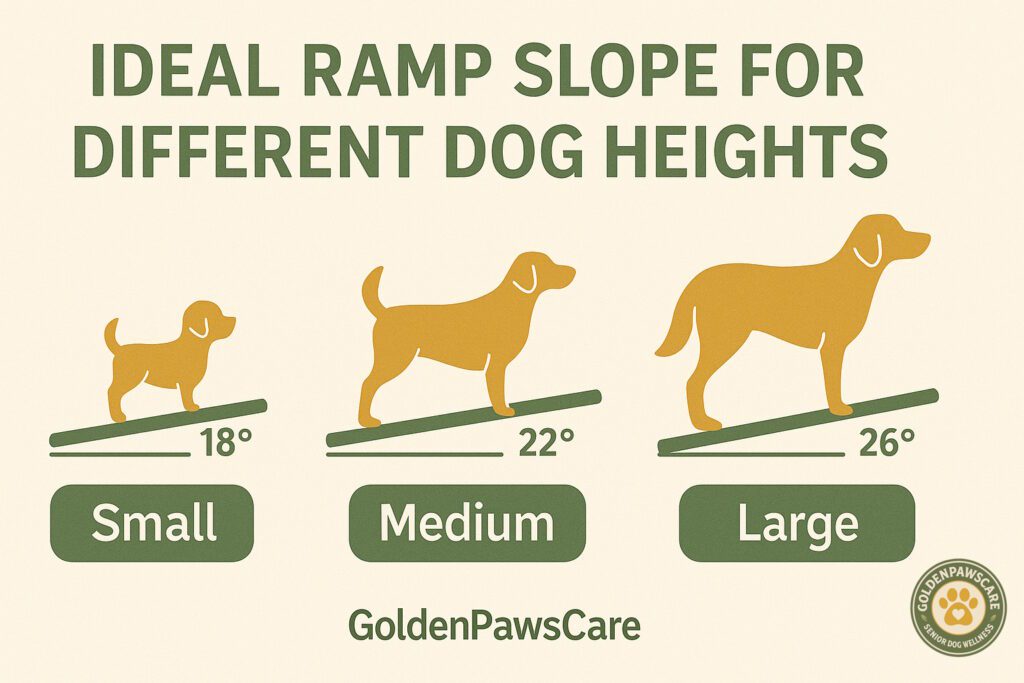
- A Gentle, Reassuring Incline: The ramp’s angle is paramount. A ramp that is too short to reach the required height will create an incline as intimidating as a mountain. For an arthritic dog, a gentle slope is crucial.
- Aim for an angle between 18 to 25 degrees. To put it simply, the longer the ramp, the gentler the slope. A good rule of thumb: for every foot of height, you should have at least two to three feet of ramp length. So, for a 2-foot high bed, you’ll want a ramp that’s at least 4-6 feet long.
- Width and Guardrails for Confidence: An arthritic dog may be unsteady on their feet. A narrow ramp can feel like a tightrope. Choose a ramp that is wide enough for your dog to walk on comfortably without feeling cramped. For most dogs, a width of 16 to 20 inches is ideal. Furthermore, raised edges or guardrails are a critical safety feature. They provide a visual guide and a physical barrier to prevent a misstep from turning into a fall.
- Stability and Weight Capacity: Dog ramps must feel solid and unmoving under your dog’s weight. Any wobble or flex will spook them, and they’ll refuse to use it. Always check the weight capacity and choose one rated for at least 50% more than your dog’s actual weight. This safety margin ensures rock-solid stability.
- Portability and Storage: How will you use the ramp? If you need to access your SUV, you’ll require a portable one. Look for telescoping or folding designs (bi-fold or tri-fold). Pay attention to the material—aluminum offers a great strength-to-weight ratio, while some high-quality plastics can be lighter but may be bulkier. If the ramp is for a permanent spot by the bed, a heavier, more decorative wooden model might be a better fit.
Best Dog Ramps for Arthritis (2025)
| Ramp / Stairs | Key Feature | Best Use Case | |
|---|---|---|---|
| DoggoRamps Large Dog Ramp | Solid hardwood, adjustable height, landing platform | Beds or elevated furniture for large breeds | Check Price |
| PetSTEP Folding Pet Ramp | Long gentle slope, folding plastic design | Vehicles, trunk, SUVs | Check Price |
| VEVOR Folding Adjustable Dog Ramp | Adjustable length, lightweight aluminum frame | Versatile – can use indoors and in car | Check Price |
| TRIXIE 39″ Pet Safety Ramp | Non-slip surface, side rails for safety | Small to medium dogs, moderate heights | Check Price |
| CO-ZI 67″ Folding Pet Ramp | Extra length and anti-slip carpet surface | Large dogs needing gentle slope | Check Price |
| PetSafe CozyUp Bed Ramp (Wood) | Furniture-style design, stable base | Bedroom use; daily access for arthritic dogs | Check Price |
| AlphaPaw PawRamp | Adjustable incline, carpet traction | Small to mid-sized seniors needing sofa/bed help | Check Price |
| TRIXIE Heavy-Duty Telescoping Ramp | Lightweight aluminum, long length | Large or arthritic dogs accessing high vehicles | Check Price |
Products independently selected and vet-reviewed by GoldenPawsCare. We may earn from qualifying purchases at no extra cost to you.
♿ Trusted Dog Ramps for Arthritic Seniors
If your vet recommends a ramp, these vetted picks provide safer access with gentle slopes and good traction.
Disclosure: We may earn from qualifying purchases at no extra cost to you.
Our Top Picks for Arthritic Dogs in 2026
While brands vary, products generally fall into a few key categories. Here are our top archetypes to look for, based on common needs.
1. The All-Round Champion: The Telescoping Aluminum Ramp. This is the workhorse of dog ramps. Its telescoping design allows for easy storage and adjustable length, making it perfect for vehicles of various heights. Look for a model with an extra-grippy rubber surface, high guardrails, and a weight capacity of over 200 lbs. It’s the ideal choice for owners of medium- to large-sized dogs who need a versatile solution for both home and travel.
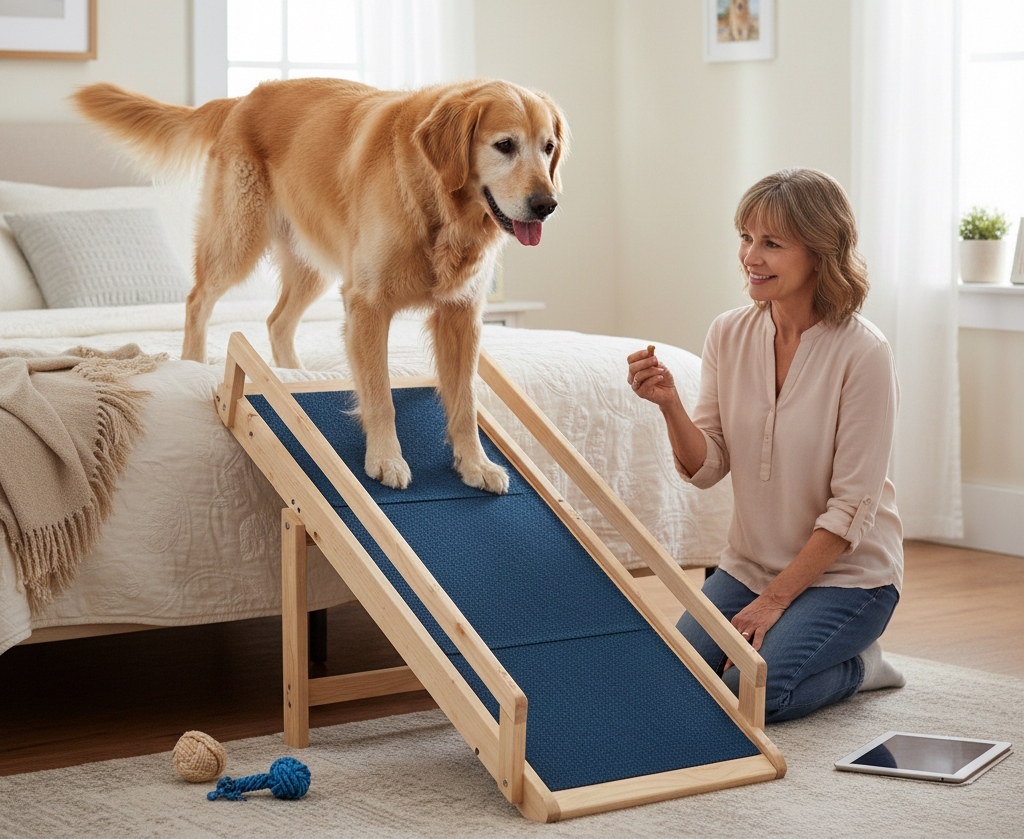
2. The Indoor Sanctuary: The Adjustable Furniture Ramp. For helping your dog get onto a high bed or sofa, a dedicated indoor ramp is often the best solution. These are typically crafted from wood to blend in with your furniture. The best models feature adjustable height settings and are covered in a high-quality, non-slip carpet. Their wider, more permanent stance gives nervous dogs a huge confidence boost. They trade portability for aesthetics and rock-solid stability.
3. The Heavy-Duty Hero: The Extra-Wide Tri-Fold Ramp For our gentle giants—the Great Danes, Mastiffs, and Newfoundlands—a standard ramp won’t do. You need a ramp built like a bridge. Look for an extra-wide (20 inches or more) model with a very high weight capacity (300 pounds or more). Tri-fold designs make these larger dog ramps easier to store and transport. Their sheer size provides the psychological and physical security that a large, arthritic dog requires.
4. The Budget-Conscious Choice: The Lightweight Bi-Fold Ramp. If you’re on a budget or only need a ramp for occasional use, a well-designed plastic bi-fold ramp can be a good option. The key is to be discerning. Do not compromise on the walking surface! Ensure it has a molded, high-traction texture, not just a token sandpaper strip. While they may offer more flexibility than aluminum models, they are lightweight and easy to handle, making them ideal for smaller dogs and quick trips.

🥇 Editor’s Pick: DoggoRamps Large Dog Ramp
- Solid hardwood construction built for durability and strength
- Adjustable height with landing platform reduces joint strain
- Extra-wide surface and low incline ideal for arthritic or stiff legs
The Final, Crucial Step: Training with Patience and Love
You can buy the world’s best dog ramps, but it’s useless if your dog is afraid of them. Introduce the ramp slowly and positively.
- Lay it flat on the ground and let them sniff and walk over it. Reward them with high-value treats and praise.
- Create a treat trail leading up the flat ramp.
- Gradually increase the incline to a very low height, like a single step. Repeat the process.
- Slowly work your way up to the target height (such as a car or bed) over several short, happy sessions. Never force them. Your patience will build their trust.
🐾 More Help for Mobility & Comfort
Vet-Answered FAQs (Dr. Sarah Kent, DVM)
What slope is safest for senior dogs?
Ramp or stairs for arthritis?
How do I train a nervous dog to use a ramp?
Tap a question to reveal the answer.
“For arthritic dogs, a longer ramp with secure traction is one of the simplest ways to reduce daily pain from jumping.”
– Dr. Sarah Kent, DVM, Veterinary Rehab–Informed Care
Dog ramps are so much more than a piece of equipment. It is an act of love. It’s a promise to your aging friend that you will do everything you can to keep them comfortable, safe, and by your side. By choosing thoughtfully, you are buying more shared moments, more car rides, and more comfortable cuddles. And for the unwavering loyalty they’ve given us, that is the greatest gift we can give in return.
- Randle McMurphy – Senior Dog Advocate
- Dr. Sarah Kent, DVM – Veterinary Reviewer
- Laura James, RVT – Mobility Rehab Specialist