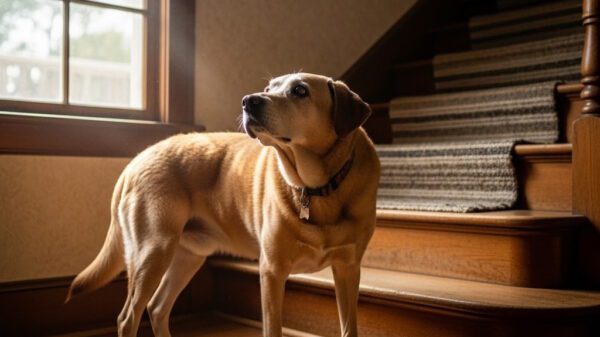
There’s a unique heartache that comes with watching our beloved dogs grow old. Their bodies may slow, their muzzles grey, but often their spirit remains undimmed, a loyal and loving presence by our side. Yet sometimes we begin to notice changes that are more profound than mere physical aging. A beloved companion might stare blankly at a familiar wall, forget their house training, or wander in the dead of night. This subtle, unsettling shift is often the quiet, heartbreaking onset of Canine Cognitive Dysfunction (CCD), often referred to as dog dementia.
This isn’t just about “old age.” It’s a genuine neurological condition, similar in many ways to Alzheimer’s in humans. And while it can be incredibly difficult to witness, understanding what’s happening and knowing how to help can transform these challenging golden years into a period of thoughtful, compassionate care. As of 2025, our understanding of CCD has grown significantly, providing us with more ways than ever to support our dogs throughout this complex journey.
In This Guide
Signs of Dementia in Senior Dogs
This article isn’t just a list of symptoms; it’s a guide to recognizing the fading light, understanding its implications, and, most importantly, learning how to provide comfort, safety, and a continued sense of purpose for the dog who has given us so much.
The Brain’s Gentle Retreat: What is Canine Cognitive Dysfunction?
Canine Cognitive Dysfunction (CCD) is a progressive neurodegenerative disorder affecting the brain of aging dogs. Over time, changes in the brain—such as the accumulation of amyloid plaques and neurofibrillary tangles, similar to those seen in Alzheimer’s patients—lead to the loss of neurons and a decline in cognitive function. This affects memory, learning, awareness, and the ability to respond appropriately to stimuli.
It’s essential to recognize that CCD is not a typical aspect of aging. While some cognitive decline is expected with age, CCD involves a significant and often distressing deterioration of mental abilities. The good news is that recognizing the signs early allows for interventions that can slow its progression and significantly improve your dog’s quality of life.
🧬 Vet Insight: Canine Cognitive Dysfunction
“Cognitive decline in aging dogs mirrors many pathways seen in human Alzheimer’s — beta-amyloid accumulates, neurons degrade, memory and spatial function decline.” — Dr. Kathryn Worsley, DVM, PhD (Neurology Specialist)
The DISC System: Recognizing the Signs of CCD
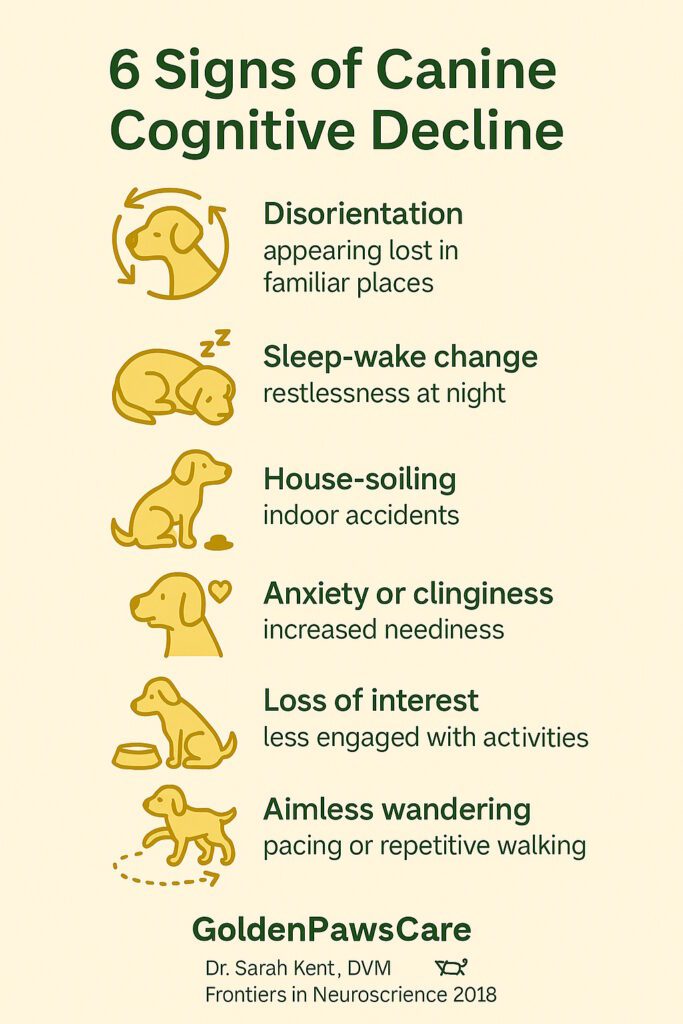
Veterinarians often use a system to categorize the signs of CCD, making them easier to identify and discuss. Think of it as DISC: Disorientation, Interactions, Sleep-Wake Cycle, and Changes in House-soiling/Activity.
1. Disorientation (Where Am I?): This is often one of the first and most disturbing signs for owners. Your dog seems confused in familiar surroundings.
- Wandering: Pacing, walking in circles, or getting “stuck” in corners or behind furniture.
- Staring blankly: At walls, into space, or at familiar objects without recognition.
- Getting lost in familiar places: Having trouble navigating their own home or yard.
- Failing to respond to their name or commands: Even when you know they hear you.
- Confusion about routines: Not recognizing meal times or going out for walks.
2. Interactions (Who Are You? Who Am I?): Changes in how your dog interacts with you, other pets, or their environment.
- Decreased interaction: Less greeting, less seeking attention, seeming more detached or withdrawn.
- Increased clinginess: Conversely, some dogs become excessively clingy, needing constant reassurance.
- Changes with other pets: Ignoring familiar housemates or showing uncharacteristic aggression/fear.
- Less enthusiasm for play or favorite activities: A general loss of interest.
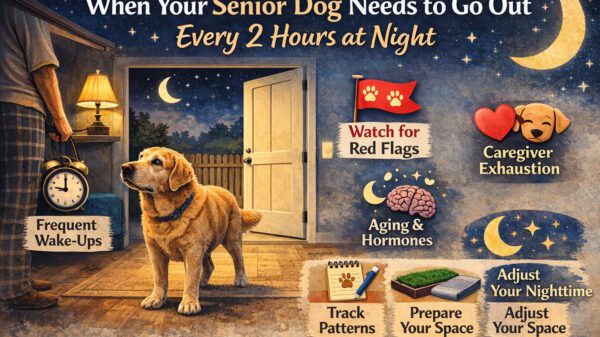
3. Sleep-Wake Cycle (Night and Day Confusion): One of the most common and disruptive symptoms, especially for owners’ sleep.
- Increased sleeping during the day.
- Restlessness and pacing at night: Waking up, wandering, whining, barking without a clear reason during hours they used to sleep.
- Disrupted sleep patterns: Difficulty settling down, waking up frequently.
4. Changes in House-Soiling/Activity (Loss of Old Habits): A regression in learned behaviors and altered activity levels.
- House-soiling accidents: Urinating or defecating indoors, despite being reliably house-trained for years. This isn’t defiance; it’s a loss of memory or control.
- Decreased activity: Lethargy, less desire to move or engage.
- Increased activity: Pacing, restless energy, or repetitive behaviors (compulsive licking).
- Changes in appetite: Either increased or decreased food interest.
- Vocalization: Increased barking, howling, or whining, often at inappropriate times or for no apparent reason.
It’s crucial to remember that these signs can also indicate other medical conditions (e.g., arthritis-related pain, hearing/vision loss, kidney disease, thyroid issues). This is why a veterinary check-up is the absolute first step. Only a vet can properly diagnose CCD and rule out other treatable illnesses.
| Sign | What You Observe | Recommended Action |
|---|---|---|
| Disorientation | Wanders, gets stuck behind furniture, forgets where rooms/doors are | Record behaviors, consult vet for CCD screening |
| Sleep-wake Cycle Change | Sleeps much during day, restless nights | Provide calm night routine, ask vet about melatonin/selegiline |
| House-soiling | Indoor accidents despite training | Rule out medical issues, adapt environment for safety |
| Activity Change | Lower interest in toys, more pacing/aimless wandering | Introduce mental games, maintain routine, vet check |
| Anxiety/Increased Clinginess | New fears, dependence, vocalizing at night | Consider behavior consult, safe space for dog, vet discussion |
🧠 Recommended Tools & Brain Health Aids for Senior Dogs
- Mental Puzzle Games — supports cognitive stimulation and slows decline
- Omega-3 + MCT Brain-Support Treats — science-backed for senior brains
- Low-Light Mobility Setup — helps confused dogs navigate safely at night
Disclosure: We may earn from qualifying purchases at no extra cost to you.
More Than Just Watching: How to Help Your Dog
While there is no “cure” for CCD or dementia, there are significant interventions that can slow its progression, alleviate symptoms, and dramatically improve your dog’s quality of life and your shared bond.
1. Veterinary Consultation and Diagnosis:
- Comprehensive Exam: Your veterinarian will perform a thorough physical and neurological exam, as well as likely blood work and urinalysis, to rule out other medical causes for the symptoms.
- Medication: Selegiline (Anipryl) is a prescription medication often used to manage CCD. It works by increasing dopamine levels in the brain, improving cognitive function in some dogs. Your vet might also discuss other medications to help with anxiety or sleep disturbances.
2. Nutritional Support (Brain-Boosting Diets & Supplements):
- Prescription Cognitive Diets: Specific veterinary diets (e.g., Hill’s Prescription Diet b/d, Purina Pro Plan Bright Mind) are formulated with antioxidants, DHA, and medium-chain triglycerides (MCTs) to provide an alternative energy source for the aging brain. These have been clinically proven to help.
- Supplements:
- Omega-3 Fatty Acids (DHA/EPA): Crucial for brain health and reducing inflammation.
- Antioxidants (Vitamins E & C, L-Carnitine, Alpha-Lipoic Acid): Combat oxidative stress in the brain.
- S-Adenosylmethionine (SAMe): Can support liver health and cognitive function.
- Choline: A precursor to acetylcholine, an important neurotransmitter.
3. Environmental Enrichment & Routine:
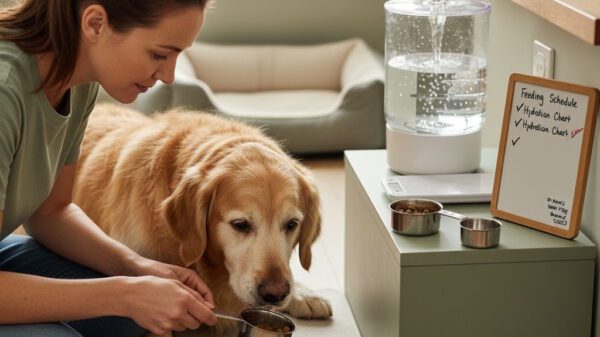
- Consistency is Key: Maintain a predictable daily routine for feeding, walks, and potty breaks. This provides security and reduces anxiety.
- Safe Haven: Create a safe, easily navigable space. Block off stairs if necessary, use baby gates, and provide a comfortable, familiar bed in a quiet area.
- Gentle Mental Stimulation: Engage them with short, simple puzzle toys, scent games, or familiar basic commands. Avoid overwhelming them.
- Nightlights: Use nightlights to help disoriented dogs navigate during nocturnal wandering.
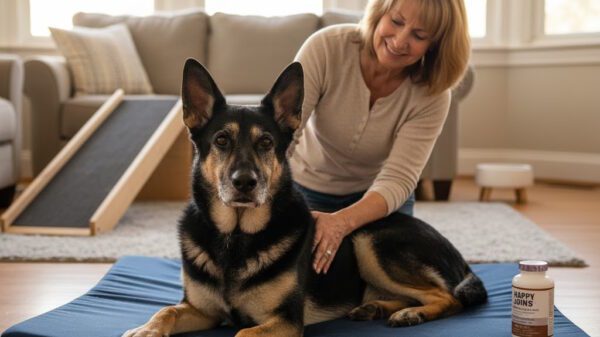
- Ramps & Non-Slip Surfaces: Address any mobility issues that might compound their confusion or cause falls.
4. Compassionate Handling & Patience:
- Approach Gently: Avoid startling them. Speak softly and let them see you approaching.
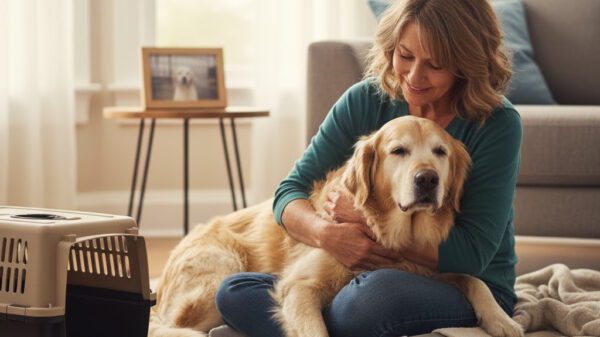
- Reassurance: Offer calm, loving reassurance when they seem confused or distressed.
- Never Punish Accidents: House-soiling is a symptom of dementia, not a sign of disobedience. Clean up calmly and reinforce positive behaviors when they go outside.
- Monitor Quality of Life: This is the most important aspect. Please work with your vet to assess their overall well-being, including pain, appetite, and ability to experience joy.
💬 Dr. Sarah Kent’s FAQs: Senior Dog Dementia
Can dementia in dogs be reversed?
What are the next steps after diagnosis?
How do I know when comfort is more important than cure?
Reviewed by Dr. Sarah Kent, DVM
— Dr. Sarah Kent, DVM
A Final Message of Love and Hope
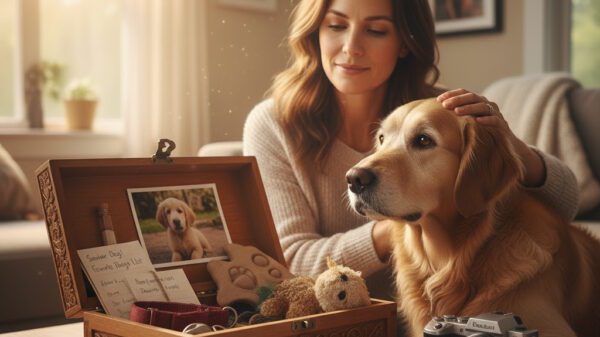
Watching a beloved dog grapple with any form of dementia, especially something as developed as CCD, is profoundly challenging. There will be moments of grief, frustration, and sadness. But there will also be moments of pure connection, gentle comfort, and the enduring beauty of their love. By understanding the signs and proactively implementing strategies to help, you are not just managing a condition; you are honoring the lifetime of companionship they’ve given you.
You are their anchor in a confusing world, their guide through the fading light. And in those moments of shared warmth and comfort, you’ll know that your love, patience, and dedication are the most powerful medicine of all.