Joint Pain
We’ve all seen it.
The first real cold front of the season rolls in, and the air gets that sharp, brittle edge. And just like that, the dog who was trotting comfortably yesterday now struggles to get out of their bed.
Source: Osteoarthritis in Dogs. American College of Veterinary Surgeons.
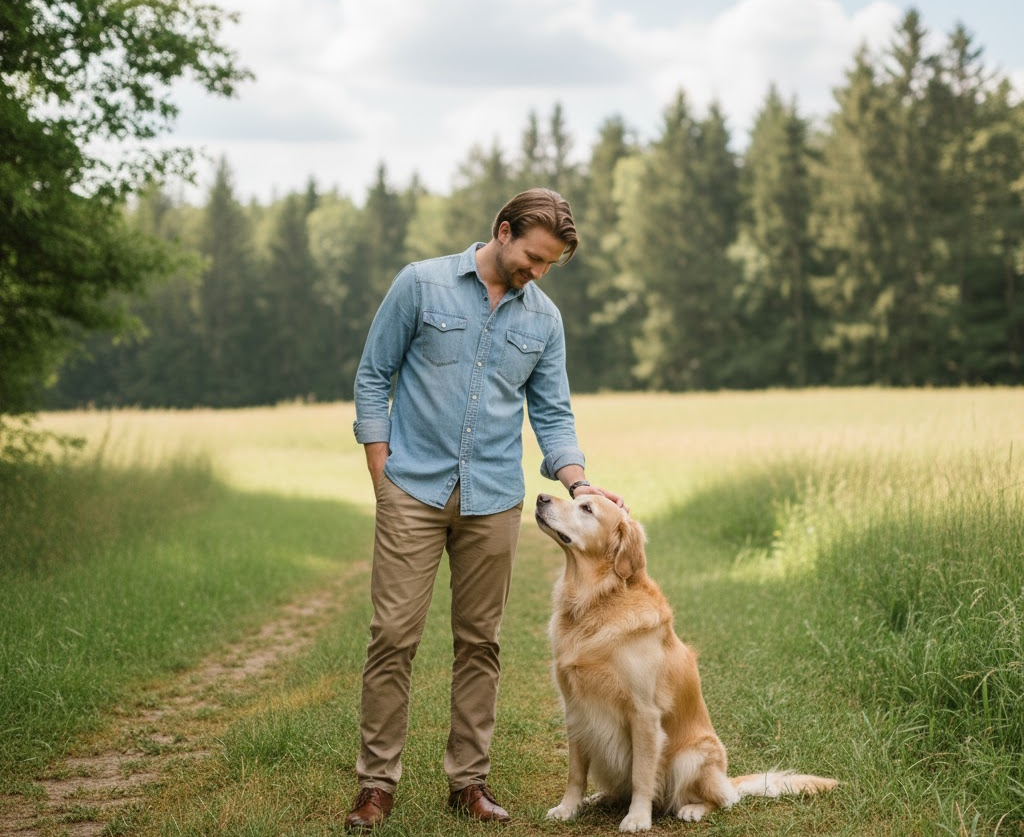
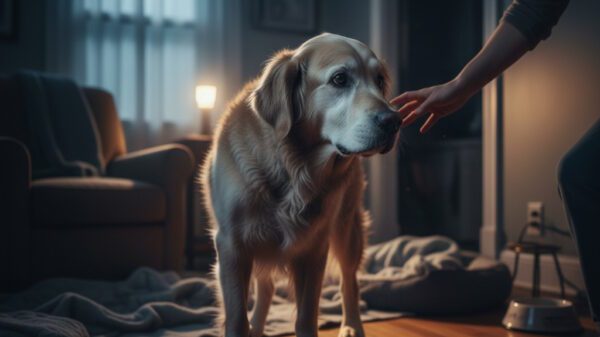
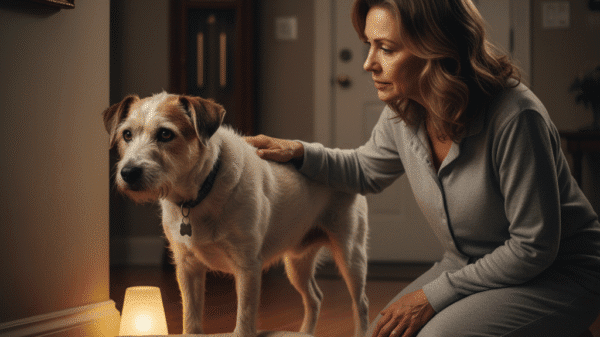
They stand up with a groan. The first few steps are stiff and stilted. They hesitate at the bottom of the stairs, and a slow, reluctant walk to the door replaces that joyful “leash-time” wiggle.
Your heart sinks, and you think, “It’s not just me, right? He’s really worse today.”
It is not in your head. It is real.
As someone who has navigated this journey with many aging dogs, I can tell you that “cold-weather joint flares” are real. They are a predictable, painful, and deeply frustrating reality for millions of dogs with arthritis. The good news? This is not a battle you have to lose.
Understanding why it happens is the key to building a warm, protective bubble for your dog. It’s not about one magic pill; it’s about a multi-layered strategy that can dramatically reduce these bad days and restore your friend’s comfort.
In This Guide
The “Why”: What Is Actually Happening in Their Joints?
It’s tempting to just blame “the cold,” but it’s more complex than that. A few things are happening at once, creating a perfect storm of pain.
1. The “Weather Balloon” Effect: Barometric Pressure: This is the biggest culprit, and it’s invisible.
🩺 Veterinary Note
Cold snaps and pressure changes can worsen osteoarthritis signs. Focus on core warmth, short/frequent walks, traction on floors, and your vet’s pain plan. See VCA | ACVS.
GoldenPawsCare Source Bar: Dr. Sarah Kent, DVM • VCA • ACVS
In the days before a cold front, the barometric pressure (the weight of the air) drops. Think of your dog’s sore, arthritic joint as a tiny, over-inflated balloon. This joint is encased in a “joint capsule” that is already stretched thin and inflamed, with nerve endings screaming for relief.
When the pressure of the air outside the body drops, the tissue and fluid inside the joint capsule can expand, just a tiny bit. For a healthy joint, this is nothing. For a sensitive, arthritic joint, this expansion puts agonizing pressure on those inflamed nerve endings.
Your dog is literally a four-legged weather forecaster. They are feeling the storm before it even arrives, and they’re feeling it in their hips, their shoulders, their knees, and their spine.
“Warmth reduces stiffness. For seniors, a well-fitted coat isn’t cosmetic—it preserves comfort so short walks stay enjoyable and safe.”
— Dr. Sarah Kent, DVM • Senior Canine Health | context
2. The “Tight Muscle” Factor: Constriction: This one is more straightforward. When it gets cold, everything seizes up.
Your dog’s muscles, tendons, and ligaments get tight and stiff. They instinctively “hunch” against the cold, just like we do. For a dog with arthritis, this is a disaster.
Why? Because those muscles are already working overtime to “splint” or protect the sore joint. When those overworked muscles also get cold and tight, they pull even harder on the already-painful joint, restricting movement and sending pain signals into overdrive. That morning stiffness you see? That’s the body trying to “un-seize” itself.
💡 Did You Know?
Cold floors increase stiffness. A heated mat or insulated orthopedic bed near your room often reduces nighttime pacing. VCA winter tips.
GoldenPawsCare Source Bar: Dr. Sarah Kent, DVM • VCA
3. The “Inactivity” Spiral: Less Movement = Less Lubrication: What do we all do when it’s cold, dark, and damp? We move less. We curl up. Our dogs do, too.
Walks get shorter. “Go play in the yard” turns into a quick potty break and a dash back inside.
This is the cruelest irony of arthritis: Movement is the very thing that lubricates the joints. Synovial fluid, the joint’s “engine oil,” is pushed in and out of the cartilage by movement.
When a dog moves less, the joints get “drier,” stiffer, and more painful. This, in turn, makes them want to move even less. It’s a vicious, downward spiral that a cold snap can trigger in a matter of hours.
So, we’re fighting a three-front war: internal pressure, external tightness, and a spiral of inactivity.
The Proactive Plan: How to Fight Back Before the Flare-Up
You cannot change the weather. But you can absolutely change how your dog’s body experiences it. Prevention is 100% the name of the game.
Layer 1: Create a “Warm Core”
- A Good Coat is Not “Silly.” I’ve heard it a thousand times: “But he has fur!” It doesn’t matter. A 13-year-old dog’s body is working harder to regulate its temperature. A coat or sweater, especially one that covers the hips and shoulders, acts like a warm, protective hug for those tight, sore muscles. It keeps the “engine” warm and reduces the cold-shock that seizes them up.
- Warmth from the Inside Out. This is a simple, powerful trick. Add a splash of warm water or (sugar-free, onion-free) bone broth to their meals. It’s comforting, hydrates them, and warms their core just a little.
- Strategic, Safe Heating. Never, ever leave a dog unattended with an electric heating pad. But a “SnuggleSafe” microwaveable disc or a pet-safe heated bed can be a game-changer. A warm (not hot) towel fresh from the dryer, laid over their hips for 10-15 minutes under supervision, is pure bliss.
Layer 2: Engineer a “Soft Landing” Environment
- Get Them Off the Floor. Cold, hard floors are the enemy. They are joint-sucking vampires that leach warmth and offer zero support.
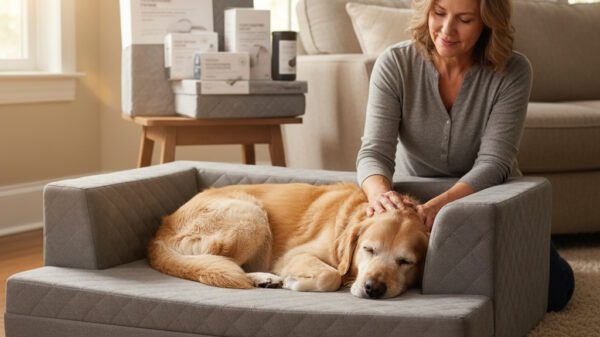
- Invest in a Real Orthopedic Bed. A cheap, fluffy bed is not an orthopedic bed. It will “pancake” under their weight, offering no support. You need high-density, “memory foam” style foam that supports their weight rather than collapsing under it. This is not a luxury; it’s a medical necessity for an arthritic dog.
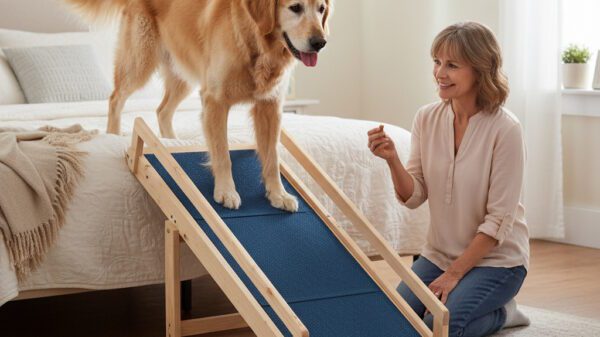
- Carpet Runners are Your Best Friend. Do you have hardwood or tile floors? Your dog is terrified of slipping. That “hesitation” is fear. A simple, inexpensive carpet runner on their main path (e.g., from their bed to their water bowl) is a massive confidence booster and helps prevent the exact kind of “slip-and-flare” injury we’re trying to avoid.
⚕️ Clinical Reminder
Short, low-impact sessions outperform one long push for seniors. Increase gradually to avoid next-day flares. Frontiers Vet Sci (2022).
GoldenPawsCare Source Bar: Dr. Sarah Kent, DVM • Frontiers Vet Sci
Layer 3: Practice “Smart Movement”
It’s not about less movement in winter; it’s about smarter movement.
- The 5-Minute Indoor Warm-Up. Never take a stiff dog straight from their bed out into the freezing cold. This is a recipe for pain and injury. Before you even put the leash on, spend 5 minutes walking them slowly around the house. Do a few gentle, cookie-lured “sit-to-stands” to get their own “joint oil” flowing.
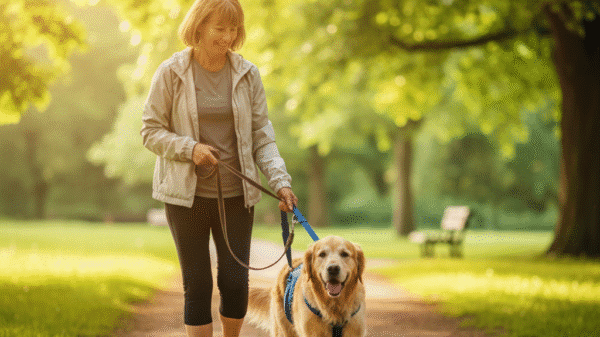
- Shorter, More Frequent Walks. Instead of one grueling 30-minute “polar plunge,” try two 15-minute (or three 10-minute) walks. This keeps them moving and lubricated all day, without letting them get so cold and stiff that they “pay for it” later.
- Indoor “Sniff-tivities.” A dog’s brain is tired by sniffing, just as their body is by running. On days when it’s just too miserable out, turn to indoor enrichment. Get a snuffle mat. Hide 10-15 high-value treats around the living room and say, “Go find it!” This keeps their minds and bodies engaged, working their joints gently without the stress of cold.
🧰 Winter Joint-Care Essentials at a Glance
| Item | Key Benefit | Best For | Link |
|---|---|---|---|
| Orthopedic Bed | Pressure relief; insulation from cold floors | Night comfort & daytime naps | Check Price |
| Heated Pet Mat | Gentle warmth to reduce stiffness | Cold mornings & bad-day flares | Check Price |
| Fleece / Waterproof Coat | Retains core heat; blocks wind/rain | Short winter walks | Check Price |
| Anti-Slip Runners | Safer footing; fewer joint-straining slips | Hallways; food/water stations | Check Price |
Some links are affiliate links. We may earn a small commission at no extra cost to you.
Layer 4: The 24/7 Foundation
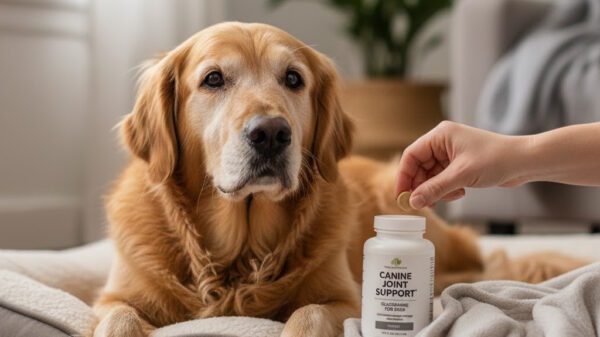
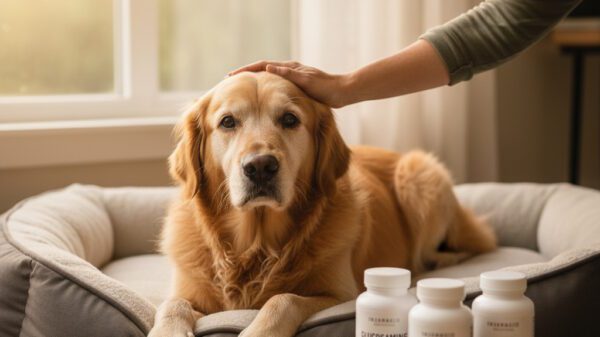
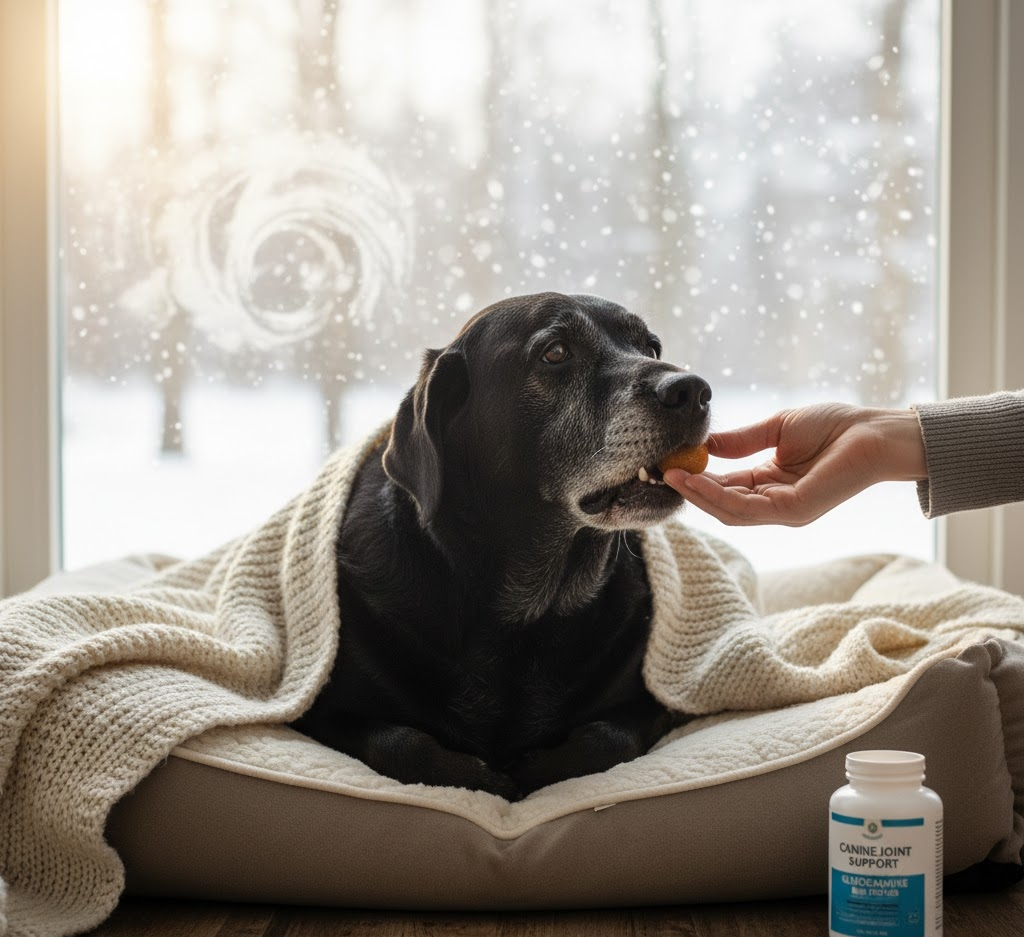
- Stay on Top of Supplements. This is your base layer. A high-quality joint supplement (with glucosamine, chondroitin, MSM, etc.) and an Omega-3 fatty acid (for its powerful anti-inflammatory effects) are not “emergency” pills. They are the “retirement fund” for the joints. They work in the background, 24/7, to provide the building blocks and calm inflammation.
- Talk to Your Vet About a “Winter Plan.” If your dog is already on a prescription pain medication (like an NSAID), talk to your vet. They may have a plan to increase the dose safely or to add a secondary pain medication only during these cold snaps. Never do this without veterinary guidance.
Source: Dietary fish oil for dogs with osteoarthritis. JAVMA (2010).
- The “Weight” Conversation. This is the hardest one, but it’s the most important. Every single extra pound on your dog’s frame is like a backpack full of rocks they must carry on their sore, arthritic joints. Every. Single. Day. The kindest, most powerful anti-inflammatory you can give your dog is a healthy, lean body condition.
When the Flare-Up Happens Anyway: Your “Bad Day” Toolkit
Sometimes, despite your best efforts, they just have a bad day. Here’s your emergency plan.
🧰 Bad-Day Toolkit (Quick Relief)
- ☑️ Warm, draft-free rest spot; consider a heated mat
- ☑️ Short, frequent potty walks; avoid icy/slippery surfaces
- ☑️ Gentle massage & warm compress (10–15 min)
- ☑️ Non-slip runners near food, water, and doorways
- ☑️ Follow your vet-approved pain plan; call your vet if symptoms escalate
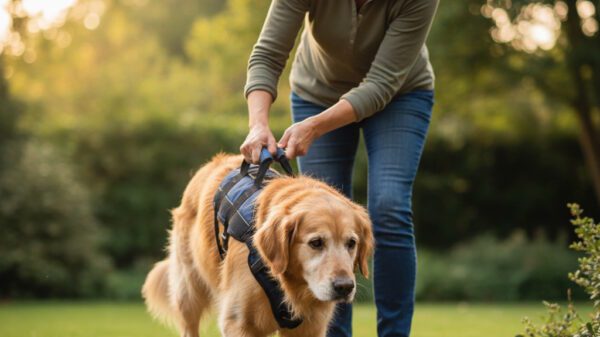
- Don’t Force It. This is not the day for a walk. A quick, supported trip outside to potty is it.
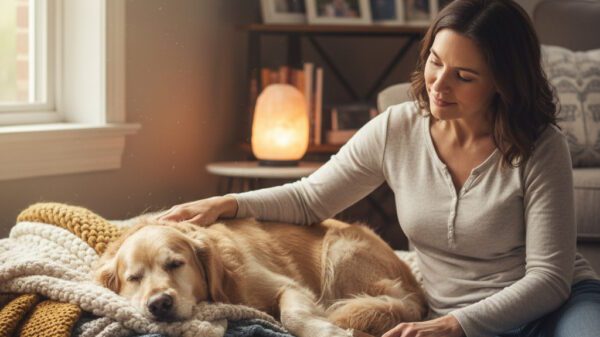
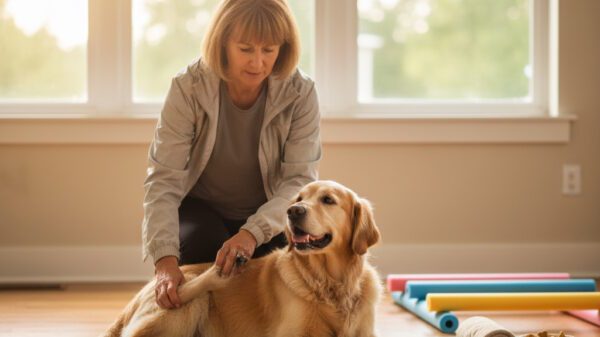
- Gentle Massage. Think “long, gliding strokes,” not “deep-tissue.” Gently and slowly stroke the large muscles of their shoulders, hips, and back. You are just trying to bring warmth and blood flow to those tight, cold muscles.
- Call Your Vet. I cannot stress this enough. Do not watch your friend suffer. Your veterinarian has safe, fast-acting pain relief that can break the cycle of inflammation and get your dog comfortable today. It is not a sign of failure to use them; it is an act of deep, compassionate love.
⚠️ Red-Flag Symptoms — Call Your Vet
- • Refuses to bear weight or cries out when moving
- • Sudden swelling, warmth, or visible deformity
- • Collapse or severe lethargy
- • Vomiting after pain meds or overdose concern
- • Fever or severe stiffness lasting > 48 hours
🐾 Canine Arthritis FAQ
What are the first signs of arthritis in dogs?
Early clues include stiffness after rest, slower movements, hesitating on stairs or jumps, and new irritability or licking at joints. Overview: VCA: Arthritis in Dogs.
Can arthritis in dogs be cured?
It’s typically managed, not cured. The goal is comfort and mobility via weight control, low-impact exercise, home safety, and vet-directed meds/supplements. Background: ACVS: Osteoarthritis in Dogs.
What is the best treatment for arthritis in senior dogs?
A multimodal plan works best: short/frequent walks, traction at home, warmth, weight loss if needed, and your vet’s pain plan. Evidence supports structured, low-impact activity for older dogs (Frontiers Vet Sci, 2022).
Does cold weather make arthritis worse in dogs?
Many arthritic dogs seem stiffer in cold snaps. Keep outdoor time short, protect core heat (coat), and avoid icy/slippery footing. See VCA winter tips.
When should I see a vet about my dog’s joint pain?
Immediately if your dog won’t bear weight, cries out, or you see sudden swelling/deformity—otherwise book a check if stiffness lasts >48 hours or daily function is slipping. Guidance: VCA: Arthritis in Dogs.
Senior-Dog Winter Wellness — Related Reads
Warmth & Protection
Home Comfort & Safety
Movement & Rehab
Pain, Supplements & Vet Care
Browse by theme to build your dog’s winter comfort plan.
You know your dog better than anyone. You see the subtle shift. You feel the change in their energy. That intuition is your superpower. By using it to build this warm, supportive bubble, you can turn winter from a season of dread into just another season of cozy, comfortable love.