
Lifestyle & Care for Senior Dogs
The “little things” become the big things as dogs age: routines, traction, air quality, enrichment, and gentle movement that keeps the body (and confidence) from shrinking.
Why Lifestyle Matters More Than Ever in the Senior Years
Senior dogs don’t usually fall apart overnight — they shrink slowly. A little less confidence on slick floors. A little more hesitation at stairs. A shorter walk. A longer recovery. And then one day you realize your dog is living in a smaller world than they used to.
The good news is that “lifestyle” is one of the most controllable parts of senior care. You can redesign mornings so stiffness doesn’t win. You can create safer paths through your home. You can choose movement that strengthens instead of aggravates. You can improve indoor air when breathing gets noisy. And you can keep the brain engaged so your dog doesn’t fade into the couch.
This hub is built like a decision tool, not a blog feed. Start with the situation that looks most like your home right now — then use the guides below (all pulled from your published Lifestyle & Care articles) plus the GoldenPawsCare tools that help you make the next call with more confidence.
Start Here: Choose What’s Happening at Home
Pick the closest match. Each option jumps you to the right “bucket.”
Start With One Win You Can Implement Today
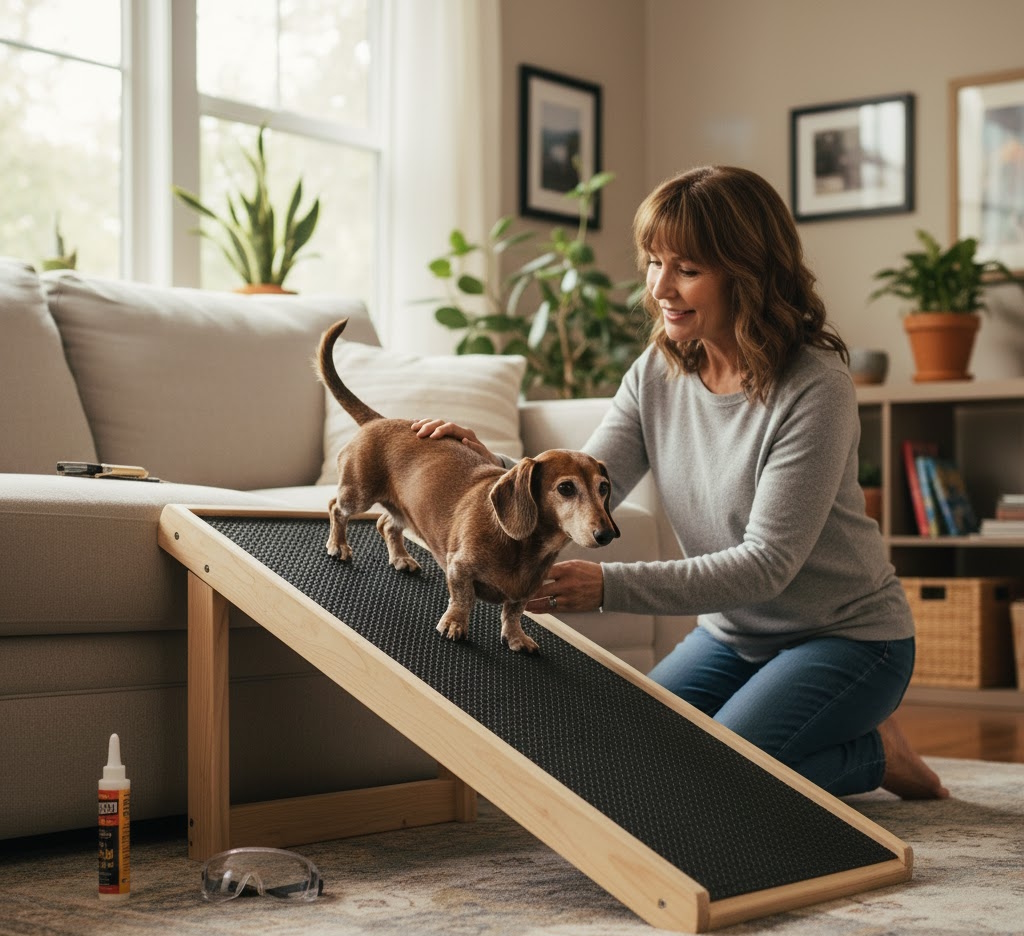
The Perfect Senior Dog Morning Routine
A model schedule that reduces stiffness, supports digestion, and sets a calmer tone for the entire day.
Start Here
Three high-impact lifestyle upgrades:
• make movement short + frequent (not long + rare)
• build a predictable morning rhythm (food, potty, meds, calm)
• improve the home environment (traction, bedding, air comfort)
Daily Routine & “How We Start the Day”
Movement, Stiffness, and Arthritis-Friendly Activity
A practical home “rehab” toolkit for arthritic senior dogs.
Weight changes affect joints fast — this keeps the plan kind and realistic.
Weather + joints: use it to plan better activity days.
Adopting a Senior Dog & Building a “Soft Landing”
An honest guide to budgeting, home setup, and the emotional reality.
Bring better questions, leave with a clearer plan (especially in week one).
Useful for planning screenings, insurance, and realistic expectations.
Home Comfort: Air, Odor, and Indoor Quality of Life
Cleaner air can reduce irritation and improve indoor comfort.
Track resting respiratory rate the easy way (especially when breathing changes).
A simple home system for catching changes early.
Aging Changes: Skin & Coat
Enrichment & Engagement (Without Overdoing It)
Tools That Help (When You Need an Answer Fast)
If you don’t have the perfect article link for a moment, use a tool that helps you decide the next move.
Quick FAQs
Fast answers that point you to the right next step.
My senior dog is slowing down — how do I know what’s “normal”?
A slower pace can be normal, but new avoidance (stairs, jumping, walks) usually signals discomfort. Start with Motion as Medicine, then use the Silent Pain Decoder if you suspect pain.
What’s the single best lifestyle upgrade for most seniors?
A consistent morning rhythm. It reduces stiffness, improves appetite timing, and lowers anxiety for many older dogs. Use The Perfect Senior Dog Morning Routine as your model.
I’m adopting a senior dog — what should I do first?
Build the “soft landing” (safe paths, supportive bedding, predictable routine), then schedule a baseline senior exam. Start with Adopting a Senior Dog (Honest Guide) and use the Vet Visit Prep Guide.
Content on GoldenPawsCare is written and reviewed using veterinary references, clinical guidelines, and real-world senior dog care experience.
Learn more about lifestyle & care terms like orthopedic bed and pacing in our senior mobility guides.