Canine Sundowning
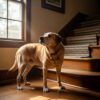
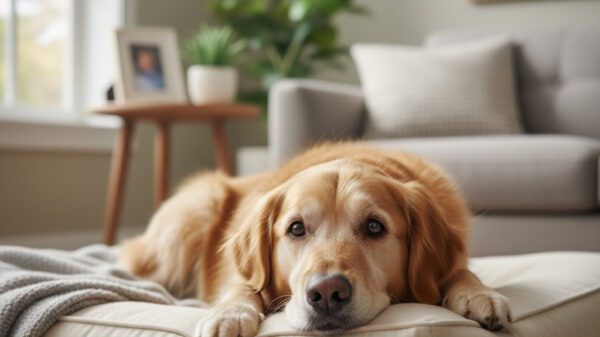
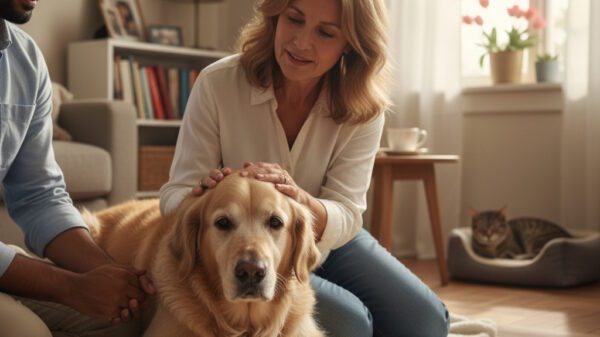
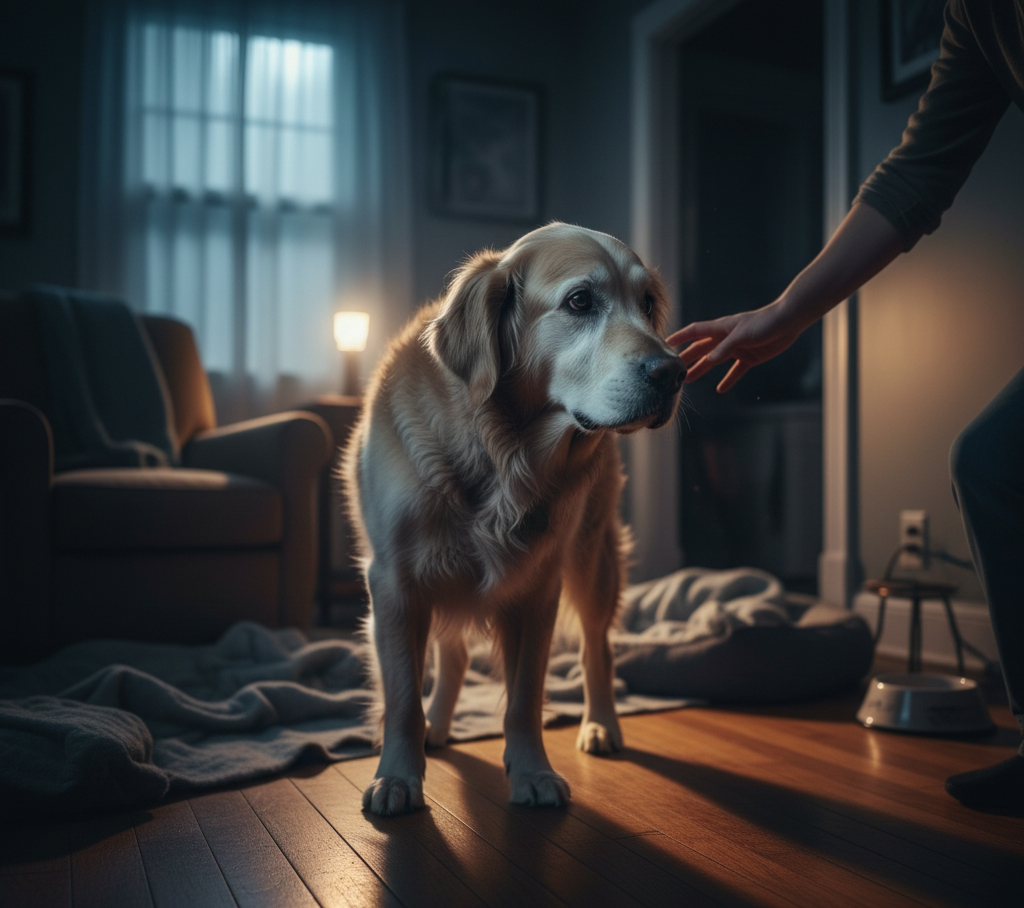
The house settles into the quiet rhythm of the evening. The day is done, and you’re ready to unwind. But for your senior dog, this transition from day to night brings not peace, but a strange and troubling restlessness. You may see them pacing endlessly, whining at nothing, staring into corners, or seeking you out with a look of utter confusion. It can be heartbreaking and baffling to witness the companion who once slept soundly through the night now seems so lost in their own home.
If this scene feels familiar, you are not alone. You are likely witnessing a phenomenon known as canine sundowning. This isn’t a training issue or a deliberate act of “bad behavior”; it’s a genuine neurological symptom that affects many aging dogs. Understanding what’s happening is the first step toward managing it with the patience and compassion your loyal friend deserves. This guide will help you decode the dusk, exploring what canine sundowning is, why it happens, and what you can do to bring comfort and calm back to your dog’s evenings.
📚 Reference: Sundowning in dogs is typically part of canine cognitive dysfunction (CCD), presenting as evening restlessness, pacing, vocalization and fragmented sleep due to sleep–wake cycle disruption. See: AKC: Dog Dementia (sleep–wake disturbance), and Cornell’s CCD overview (Cornell Vet), which differentiates CCD from other look-alikes (e.g., vestibular disease).
In This Guide
What Exactly Is Canine Sundowning?
Canine sundowning, also known as “sundowner’s syndrome,” is a collection of behaviors and symptoms that occur or worsen as daylight fades and evening approaches. It is not a standalone disease but is most often a significant symptom of a larger condition called Canine Cognitive Dysfunction (CCD).
Canine Cognitive Dysfunction is an age-related neurobehavioral syndrome that leads to a decline in cognitive function, essentially the dog equivalent of Alzheimer’s disease in humans. As the brain ages, changes can disrupt a dog’s internal clock, memory, spatial awareness, and stress-coping ability. Sundowning is the expression of this confusion, amplified by the changing light and sensory cues of nighttime.
Common symptoms of canine sundowning include:
- Increased restlessness or pacing: Aimless wandering, walking in circles, or an inability to settle down.
- Vocalization: Whining, crying, or barking for no apparent reason.
- Confusion and Disorientation: Getting “stuck” in corners, behind furniture, or seeming lost in familiar surroundings.
- Increased Anxiety or Clinginess: Shadowing you, needing constant reassurance, or becoming agitated when left alone.
- Disruption of the Sleep-Wake Cycle: Sleeping more during the day and being awake and active throughout the night.
- Staring: Blankly staring at walls or into space.
- Changes in Social Interaction: Withdrawing from family members or, conversely, demanding constant attention.
Nighttime Signs & What Helps (DISHAA-informed)
| Sign (DISHAA) | Common Evening Pattern | Evidence-based Supports |
|---|---|---|
| Disorientation | Pacing, “stuck” in corners, door confusion | Night-lights; block off hazard areas; simple floor plan |
| Interaction changes | Clingy or irritable in evenings | Low-stimulus routine, gentle touch, pheromone diffuser |
| Sleep–wake reversal | Sleeps by day, restless by night | Daytime walks/sunlight, fixed bedtime, white-noise; vet-guided melatonin |
| House-soiling | Night accidents | Pre-bed potty schedule; easy-off booties/non-slip socks; absorbent pads |
| Activity/anxiety | Restless pacing, vocalization after dusk | Evening enrichment earlier (puzzles), calming chews (vet-approved), safe crate/den |
Source for DISHAA domains and management framework: Landsberg et al.; TVP review of CCD management (Today’s Veterinary Practice).
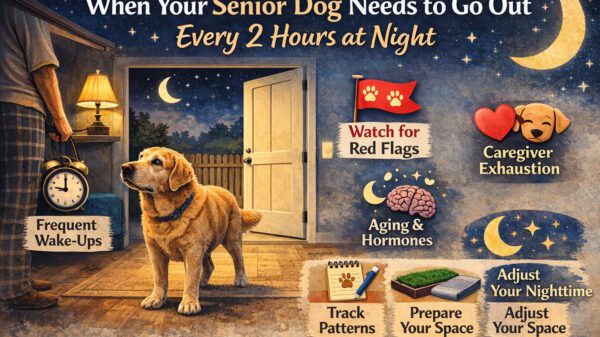
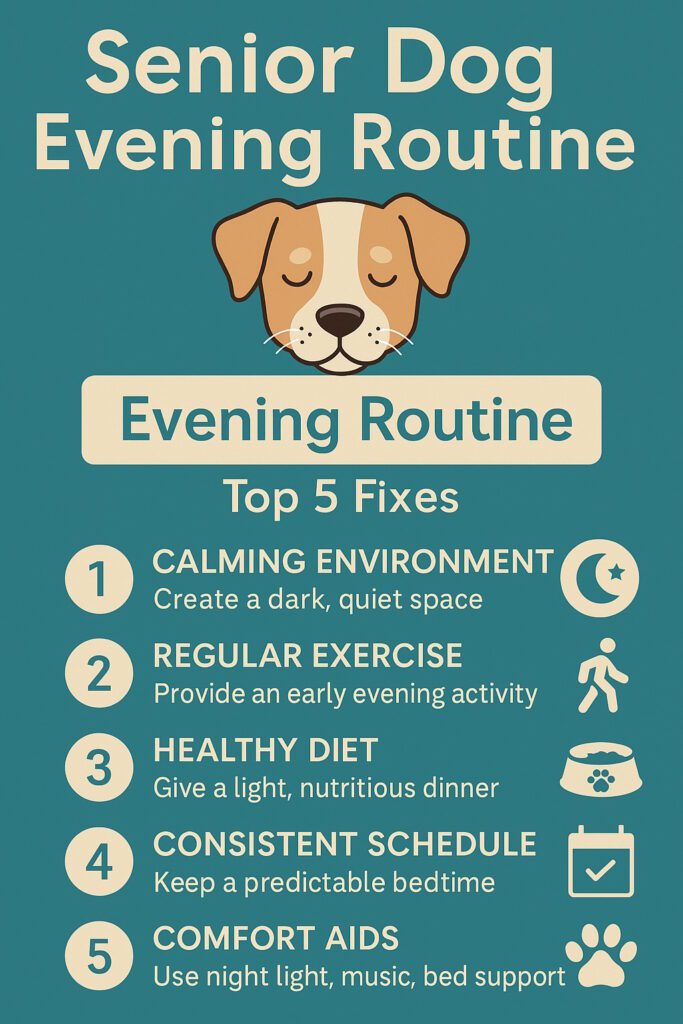
- Short walk & sunlight exposure (if before dusk); water cut-off 2–3h prior.
- Calm engagement: 5–10 min training or food puzzle early evening (not right before bed).
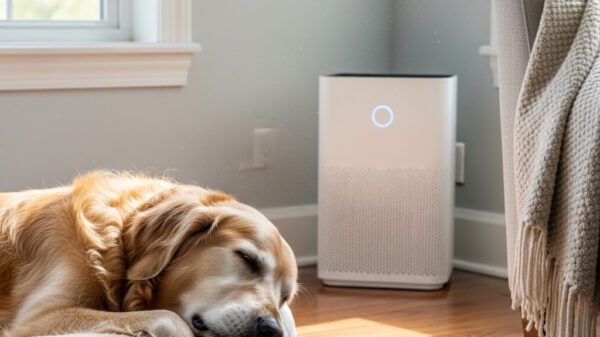
- Set environment: night-lights in hallways, white-noise machine, pheromone diffuser.
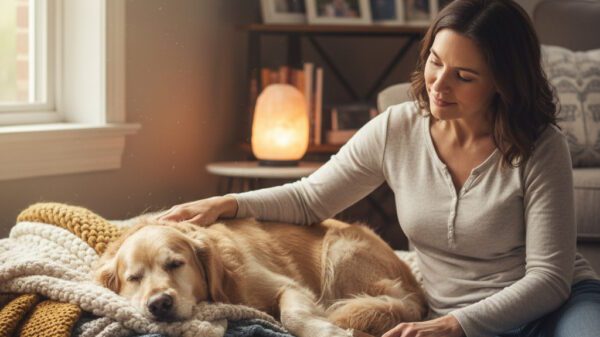
- Comfort setup: orthopedic bed, non-slip socks if floors are slick; familiar blanket.
- Bedtime cue: same words each night; gentle petting → lights out.
Trusted Night-Time Comfort Aids
Reader-trusted picks we mention in this guide (use with your veterinarian’s advice):
Disclosure: We may earn a small commission from links at no extra cost to you.
The “Why”: Unpacking the Causes of Nighttime Restlessness
To effectively help your dog, it helps to understand the complex factors that contribute to sundowning. It’s rarely one single thing, but rather a combination of age-related changes.
- The Brain’s Internal Clock (Circadian Rhythm): The primary driver is Canine Cognitive Dysfunction. The progressive changes in the brain can damage the part that regulates the body’s natural sleep-wake cycle. As a result, your dog’s internal clock no longer aligns with the natural day-night cycle, leading to confusion and wakefulness when they should be sleeping.
- Fading Light and Vision Loss: Most senior dogs experience some degree of vision loss. As the sun sets, the available light decreases, and shadows lengthen. For a dog with compromised vision and a confused mind, these shifting shadows can be disorienting or even frightening, triggering anxiety and agitation.
- Hearing Impairment: Similar to vision, hearing often declines with age. During the day, a bustling household provides a constant stream of auditory cues. At night, the house becomes quiet. This sudden silence can be isolating for a hard-of-hearing dog, leaving them feeling alone and anxious, which may manifest as pacing or crying as they seek out their family.
- Chronic Pain: Underlying medical conditions, such as arthritis, are common in senior dogs. The pain from sore joints can feel more intense at night when the body is still and there are fewer distractions. This discomfort can make it impossible for a dog to settle down and rest, leading to what appears to be anxious pacing.
- Shifting Household Routines: The evening often marks a change in the home’s atmosphere. People return from work, the TV is turned on, and activity levels shift. For a dog with CCD, who thrives on predictability, these changes can be jarring and further confuse them.
📚 Reference: Large epidemiologic work suggests CCD affects a meaningful slice of seniors: classic cross-sectional data found ~14% of community dogs ≥8 years met CCD criteria, while newer large-cohort data (Dog Aging Project, n≈15k) map prevalence across ages and risk factors. See: Salvin et al., 2010; Yarborough et al., 2022 (Dog Aging Project).
How You Can Help: A Strategy of Compassion and Management
While you cannot reverse the age-related changes in your dog’s brain, you can absolutely make their environment and routines more supportive. Managing canine sundowning is about reducing triggers and increasing comfort.
- First, See Your Veterinarian: This is the most crucial step. You need to rule out other medical issues that could be causing these behaviors, such as urinary tract infections, kidney disease, or unmanaged pain. Discuss your observations with your vet. They can officially diagnose CCD and may recommend medications, such as selegiline, or supplements known to support brain health, like antioxidants, omega-3 fatty acids, or SAM-e.
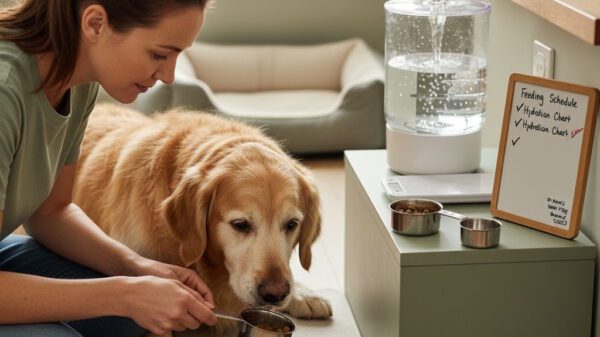
- Establish a Rock-Solid Evening Routine: Dogs with CCD find immense comfort in predictability. A consistent evening routine can help signal to their brain that it’s time to wind down. This should include feeding times, a final, gentle potty break, and a set “bedtime” that is the same every single night.
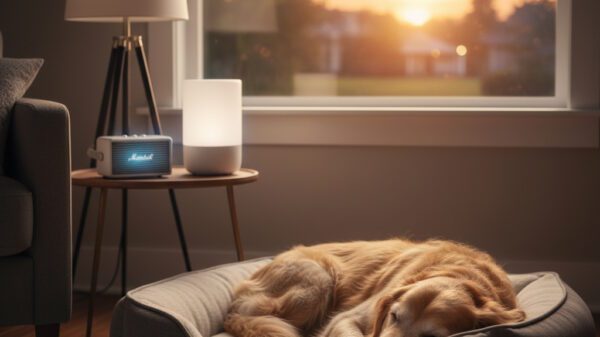
- Manage the Lighting: Don’t let the house descend into darkness. Turn on lights well before sunset to make the transition from light to dark less abrupt. Use nightlights in hallways, near their bed, and by their water bowl to help them navigate if they do get up at night.
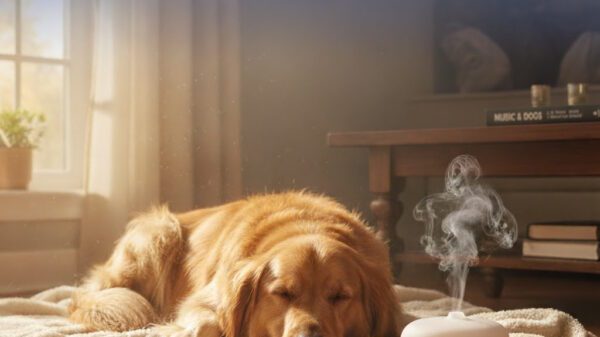
- Create a Calm Atmosphere: In the hour or two before bed, try to minimize noise and chaos. Lower the TV volume, dim the main lights (while keeping the area well-lit), and consider playing calming classical music or specially designed dog audio. A calming pheromone diffuser (like Adaptil) can also help create a sense of security.
- Engage Their Mind and Body (Gently): A short, slow, sniff-focused walk in the late afternoon can help expend a little physical and mental energy, promoting rest later on. Avoid strenuous activity close to bedtime. A simple food puzzle or a snuffle mat can provide gentle mental stimulation that helps soothe, rather than excite, their mind.
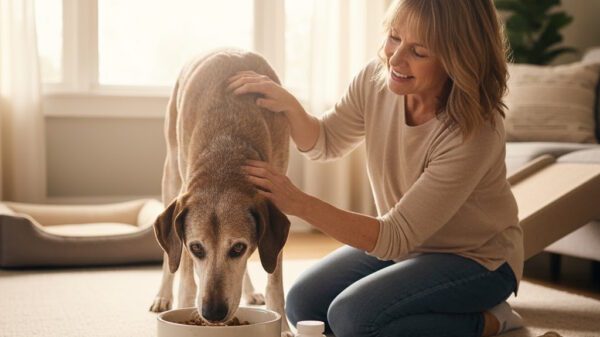
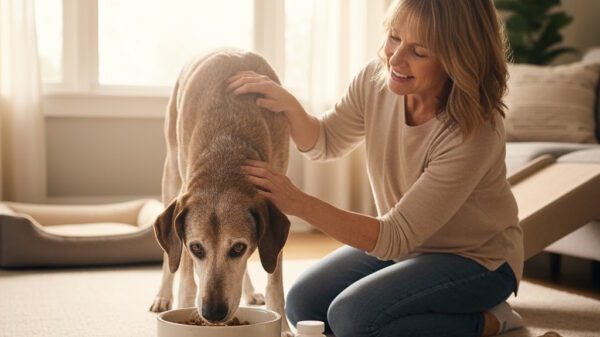
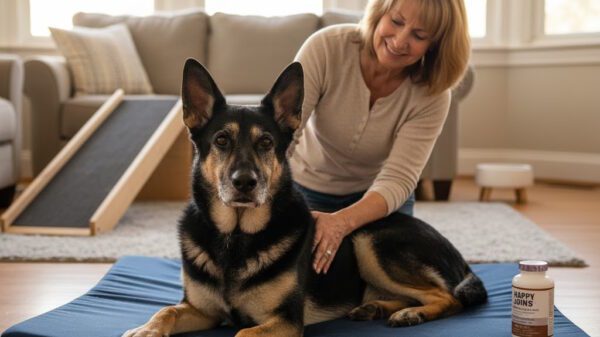
- Maximize Physical Comfort: Ensure their bed is exceptionally comfortable—an orthopedic bed is ideal for supporting old joints. Please place it in a quiet, safe space, perhaps in your bedroom, where your presence is reassuring. A heated pet bed or a warm blanket can also be very soothing.
Sundowning – FAQ
Tap to expand an answer.
How do I know it’s sundowning and not pain?
Track timing (worse at dusk), look for pacing/disorientation vs limping or yelping. Ask your vet for a pain trial and physical exam; CCD and pain can coexist.
Does melatonin help dogs with sundowning?
Some vets use melatonin to support sleep—only under veterinary guidance, especially in dogs on other meds or with endocrine disease.
Can routine really change night behavior?
Yes—consistent evening routines, lighting, and calming environments reduce disorientation and anxiety for many dogs with CCD.
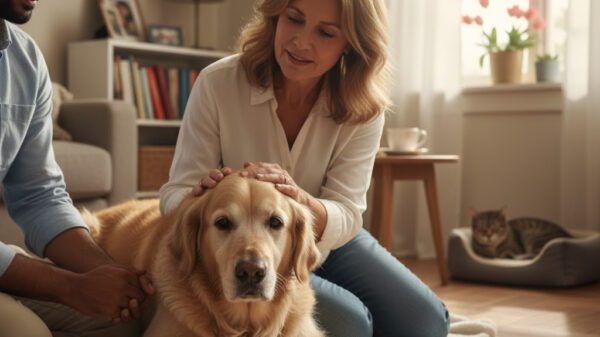
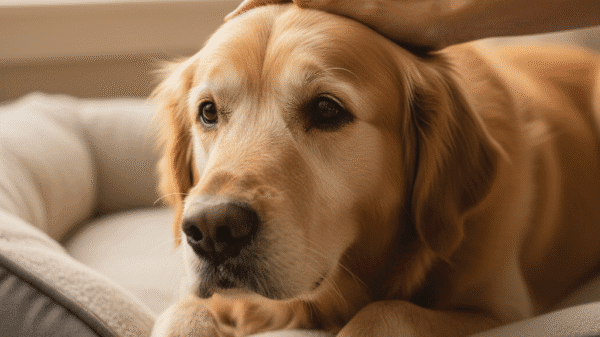
Patience is your most powerful tool. It’s natural to feel frustrated or sad, but remember that your dog is not giving you a hard time; they are having one. Your calm, reassuring presence is their greatest comfort in a world that is becoming increasingly confusing for them. Speak in a soft voice, offer gentle pets, and guide them back to their bed if they seem lost.
This phase of your dog’s life is a testament to the bond you’ve built. By understanding the “why” behind their nighttime restlessness and implementing these compassionate strategies, you can provide the peace and security they need, making their golden years as comfortable as possible.