Hacks to Hide Dog Meds
If you have a senior dog or a pup with a chronic condition, you know the drill. You shake the pill bottle, and suddenly your dog—who was fast asleep three rooms away—has vanished.
Quick Summary
What this page answers:
How to safely give pills to dogs—especially seniors—using common kitchen foods without causing choking, stomach upset, or medication failure, and how to troubleshoot when common pill-hiding tricks stop working.
Best takeaway for senior dog owners:
You don’t need expensive pill pockets or force-feeding. The safest method is the one that matches your dog’s size, medication type, and health condition, and is delivered calmly and consistently. When hiding meds stops working, the issue is often pain, nausea, or timing—not stubbornness.
When to call a vet:
- Sudden refusal of medication that was previously tolerated
- Vomiting, excessive drooling, coughing, or gagging after pills
- Lethargy, withdrawal, or appetite loss after dosing
- Uncertainty about whether a medication can be crushed
- Chronic conditions (arthritis, dental disease, kidney or GI issues) making pills stressful
A sudden refusal in a senior dog is often a symptom—not a behavior problem.
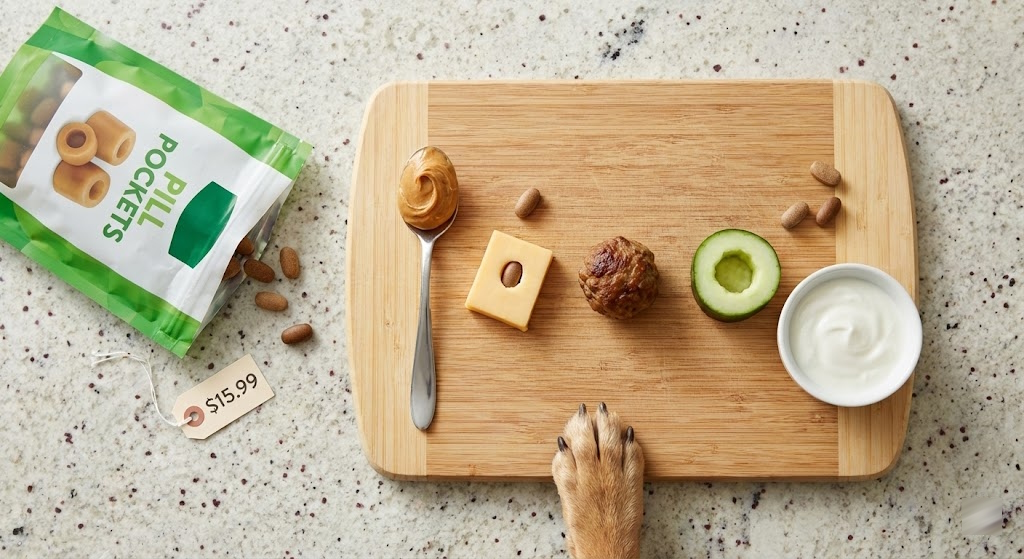
We love our dogs, but we don’t love the monthly bill for commercial “pill pockets.” At nearly $15 to $18 a bag for the name-brand versions, the cost of just giving the medicine can sometimes rival the cost of the medicine itself. And let’s be honest: half the time, they eat the treat and spit the pill out onto the kitchen floor with expert precision.
Do this first (it prevents the big mistakes)
- Check the label or ask your vet/pharmacist: “Can this be given with food?”
- Never crush/split/open capsules unless your vet says it’s OK (some are time-release or bitter).
- If your dog has pancreatitis history or needs low sodium: avoid high-fat/high-salt options (liverwurst, lots of cheese).
- If your dog has diabetes or weight issues: keep portions tiny—think “pill-sized bribe,” not a snack.
- If refusal is new + sudden (nausea, pain, lethargy): hiding the pill may not solve the real problem—call the vet.
Golden Rule If you’re unsure, don’t experiment—verify the med instructions first.
Pick the best hack for your dog
- The “Detective Sniffer”: go straight to liverwurst or spray cheese (strong scent + full coating).
- The “Pill-Spitter”: try marshmallow squish + the 3-treat chaser method.
- Fat-restricted senior: use a tiny “meatball” of low-fat wet food (or vet-approved pill pocket).
- Daily routine meds: batch your DIY dough so pill time is consistent and boring.
If your dog starts refusing every food “vehicle,” switch tactics before they build suspicion.
After years of navigating antibiotics, joint supplements, and the dreaded “twice-daily” prescriptions, I’ve learned that you don’t need a specialized pet store product to get the job done. You just need a fridge, a little creativity, and the right “high-value” bribe.
Here are 5 kitchen hacks to hide dog meds that are cheaper, often healthier, and frankly, much harder for your dog to outsmart.
In This Article
1. The “Marshmallow Squish”
- Cost: ~$0.02 per pill
- Best For: Small to medium-sized pills/capsules.
This is my go-to for the pill-spitter. Marshmallows are nature’s perfect pill concealer because of their texture. Unlike cheese or meat, which can break apart and reveal the medicine, a marshmallow is sticky and elastic.
The Hack: Take a standard mini marshmallow. Don’t just shove the pill in; tear the marshmallow slightly in half, place the pill in the center, and then squish it back together. The sticky inside seals the pill shut. When your dog takes it, the marshmallow texture masks the hard capsule, and it slides right down.
⚠️ Expert Warning: Always check the bag. You must use standard, sugary marshmallows. NEVER use “sugar-free” or “skinny” marshmallows, as many contain Xylitol (Birch Sugar), which is deadly toxic to dogs even in tiny amounts. If the bag says “Xylitol,” leave it on the shelf.
⚠️ Quick Safety Note: Foods You Should NOT Use for Hiding Pills
If you’re improvising, avoid these common “kitchen hacks” that can backfire fast.
2. The “Stinky Meat” Method (Liverwurst)
- Cost: ~$0.10 per pill
- Best For: The detective dog who smells medicine a mile away.
If your dog can sniff out a pill inside a piece of steak, you need to upgrade your weaponry. You need liverwurst (or Braunschweiger).
Liverwurst is the nuclear option of pill hiding. It has a scent so overpowering and a texture so soft that it completely masks the smell and feel of a pill.
The Hack: Slice a cold tube of liverwurst into small cubes and keep them in a Tupperware in the fridge. When it’s pill time, take a cube and mold it around the pill like clay. It’s dense, so it holds its shape perfectly.
Safety Note: Liverwurst is high in fat and sodium. If your senior dog has a history of pancreatitis or heart issues, skip this one or use it very sparingly. Also, ensure your brand does not contain onion powder, which can be toxic to dogs in large quantities.
Don’t have time to bake? Use the Generator!
Enter ingredients you already have in your pantry (like Peanut Butter or Pumpkin) and get a vet-approved recipe instantly.
🚀 Launch Recipe Generator3. The “Cheesy Glue” (Cheese Whiz or Spray Cheese)
- Cost: ~$0.15 per serving
- Best For: Oddly shaped tablets or pills that need to be crushed.
Cheddar blocks are great, but smart dogs often eat the cheese and spit out the pill. Spray cheese (like Kong Easy Treat or just human Cheese Whiz) acts as a literal glue.
The Hack: Take a small piece of bread or a plain dog biscuit. Put the pill on top. Then, cover it with a mountain of spray cheese. The cheese adheres to the pill and the biscuit, making it impossible for the dog to separate them. They have to inhale the whole thing to get the cheesy goodness.
4. The “Sticky Sandwich” (Peanut Butter)
- Cost: Pennies
- Best For: The classic approach.
You’ve likely tried peanut butter, but are you using the “roof of the mouth” technique?
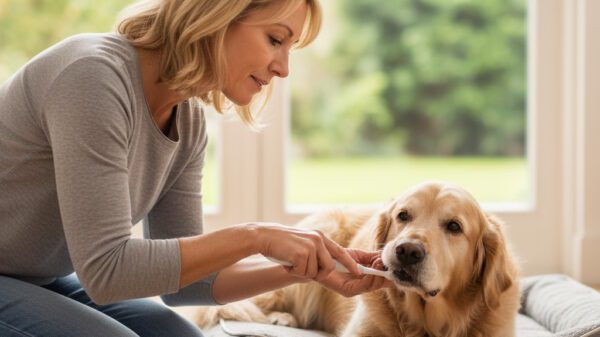
The Hack: Don’t just offer the spoon. Take a glob of Xylitol-free peanut butter (check the label—this is critical!), hide the pill inside, and then smear it gently on the roof of your dog’s mouth or the back of their tongue. The sticky texture forces them to work at it, triggering a swallowing reflex that usually takes the pill down.
- Step 1: Put a thin smear of xylitol-free peanut butter on a small soft treat or a tiny bread piece.
- Step 2: Press the pill into the smear and add a second light smear over the top (full coating = no “pill edge”).
- Step 3: Immediately follow with a chaser treat so your dog swallows quickly instead of chewing and investigating.
- Skip any mouth-handling tricks if your dog is anxious, has bite risk, coughs/gags easily, or you’re not 100% confident.
Pro-Tip: Combining this with a small piece of soft bread creates a “pill sandwich” that adds texture and disguises the pill’s crunch.
5. The “Budget King”: DIY Pill Pocket Dough
- Cost: Almost free
- Best For: Daily medications where you want total control over ingredients.
If you miss the convenience of the moldable commercial pockets but hate the price tag, you can make your own copycat version in 5 minutes. This recipe is legendary in vet tech circles because it’s shelf-stable (in the fridge) and moldable.
The Copycat Recipe:
- 1 tbsp Peanut Butter (Creamy, NO Xylitol)
- 1 tbsp Milk (or water/low-sodium chicken broth)
- 2 tbsp Flour (can use coconut flour or oat flour if your dog is grain-free)
Directions: Mix the peanut butter and milk until smooth. Slowly add the flour until you have a play-dough consistency. Roll them into small balls and store them in a Ziploc bag in the fridge. When it’s time to medicate, just grab a ball, poke a hole with a chopstick or your pinky, insert the pill, and pinch it shut. You just made 12 pill pockets for about 15 cents.
Pill Time Checklist (Print This)
Use this when you’re tired, your dog is suspicious, and you just want the dose to actually happen.
- Confirm food rules: “With food?” “Empty stomach?” (Follow the prescription label.)
- Confirm crush/split rules: only if your vet/pharmacist says yes.
- Pick your vehicle: strong coat (spray cheese/liverwurst) OR soft wrap (dough/wet food).
- Run the chaser sequence: treat → pill treat → chaser treat (no pause).
- Watch for “cheek stash”: some dogs store pills and spit them later.
- If refusal is new + sudden: nausea/pain may be the real issue—call the vet.
The “Chaser” Strategy
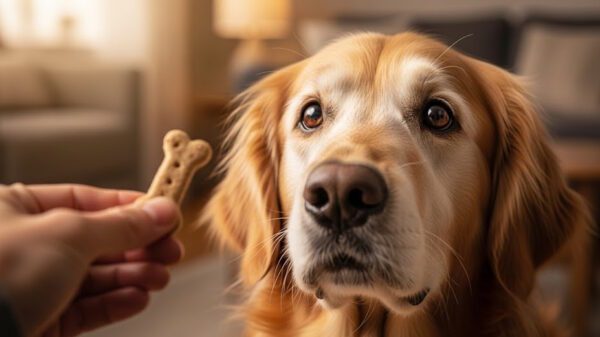
No matter which food you use, the “Three-Treat Method” is the ultimate psychological hack to ensure success:
- The Primer: Give a small piece of the food without the pill. (Builds trust).
- The Payload: Give the piece with the pill.
- The Chaser: Immediately show them a third piece of food while they are eating the second one.
Dogs are greedy. When they see the third treat coming, they will instinctively swallow the second one (the pill) quickly to make room for the third.
Quick FAQ: Hiding Dog Meds Safely
Because “just put it in cheese” isn’t always the right answer—especially for seniors.
Can I crush my dog’s pill and mix it into food? ▾
Only if your vet or pharmacist says it’s allowed. Some tablets are time-release, coated to protect the stomach, or intentionally bitter—and crushing can change how the medication works.
- Safe move: confirm “crush OK?” on the prescription label or by calling your vet.
- If crushing isn’t allowed: use a full coating method (spray cheese, marshmallow squish, pill-in-dough) so the pill is swallowed quickly.
What if my dog eats the treat… then spits out the pill? ▾
This usually means your dog is either (1) detecting the pill’s smell/texture, or (2) anticipating the “trap.” Switch tactics instead of repeating the same one.
- Use the 3-treat chaser: treat without pill → pill treat → fast “chaser” treat.
- Try full coverage (spray cheese/liverwurst) so there’s no “edge” to feel.
- Feed in a “normal” moment—not during a tense stare-down. Calm routine beats wrestling.
Is liverwurst actually safe for dogs? ▾
In tiny amounts, it can be an effective “pill camouflage,” but it’s typically high in fat and sodium—so it’s not ideal for every senior dog.
- Use it as a coating: pea- to marble-size is plenty.
- Avoid if your dog has pancreatitis history, severe heart/kidney disease, or is on a strict low-sodium plan.
- Check the label: avoid versions with onion or garlic powders.
Can I hide pills in peanut butter? ▾
Sometimes—if it’s xylitol-free and used in small amounts. Peanut butter works best when it forces a quick swallow (a thin smear plus a chaser treat).
- Must be xylitol-free (xylitol is dangerous to dogs).
- Use tiny portions to avoid unnecessary calories and upset stomach.
- If your dog panics with mouth handling or has bite risk, skip “roof of mouth” tricks and use a no-touch method.
When should I stop trying “hacks” and call the vet? ▾
If your dog suddenly refuses food, seems nauseous, is lethargic, vomits, has diarrhea, or you suspect pain—don’t let “pill time” distract you from the bigger signal.
If this is a senior dog and the behavior is new, use your triage tools and consider checking pain signals. (Example tool: Pain Decoder.)
When Pain is the Problem
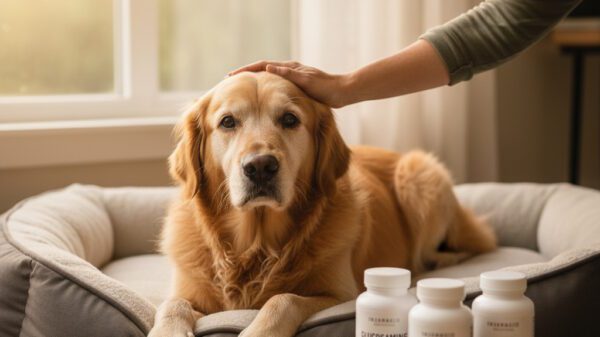
Often, the reason we are hiding pills in the first place is to manage chronic pain or arthritis in our aging companions. It can be hard to tell if the medication is actually working, or if your dog is just having a good day.
If Your Dog Still Won’t Take the Meds
Don’t keep repeating the same trick until your dog becomes a detective. Use this ladder instead.
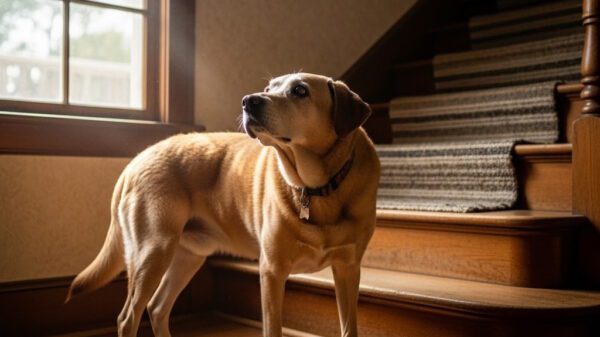
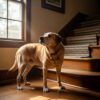
If you are struggling to gauge your dog’s comfort levels, I recommend using a tool like the Silent Pain Decoder. It helps you track subtle behavioral changes—like hesitation on stairs or changes in sleep—so you can see if those cheese-covered pills are actually doing their job.
Hiding pills doesn’t have to be a battle, and it definitely doesn’t have to break the bank. With a little kitchen creativity, you can turn “medicine time” into “treat time”—and save that extra cash for the good toys.