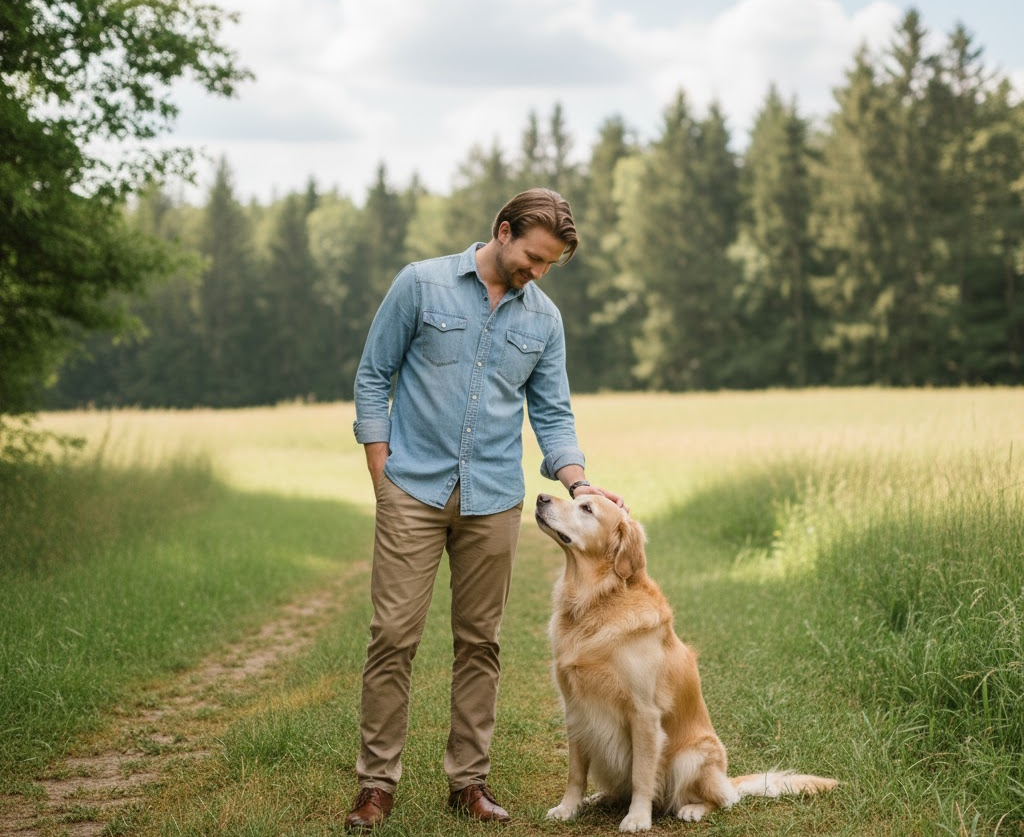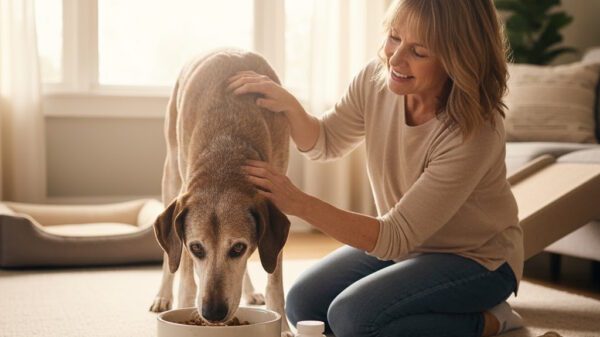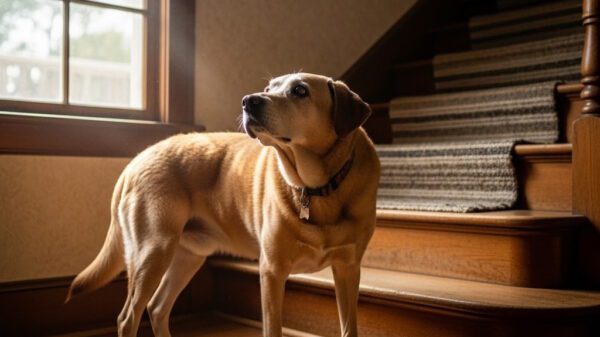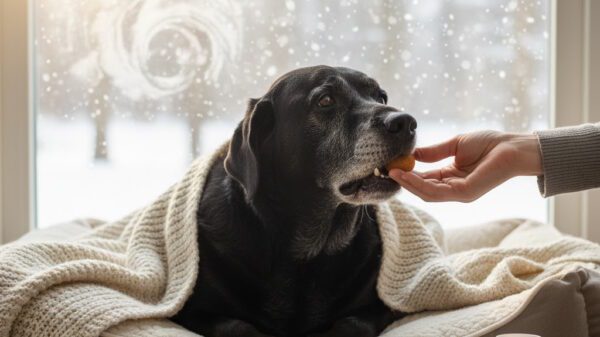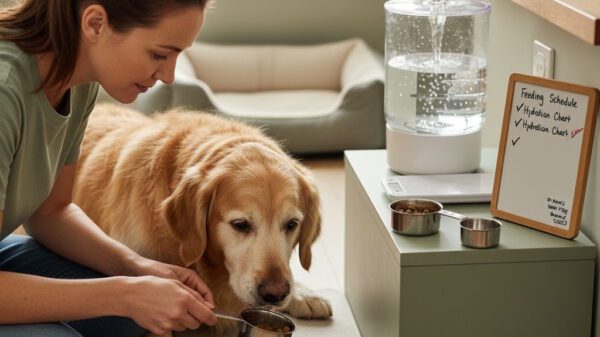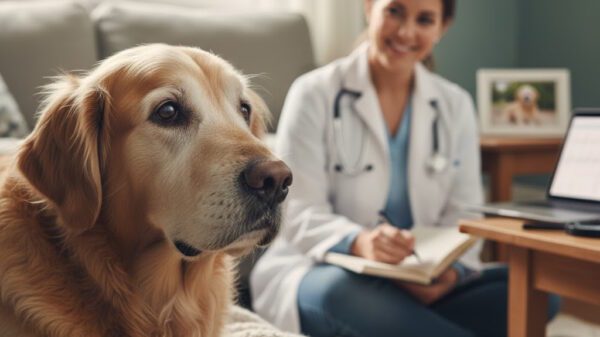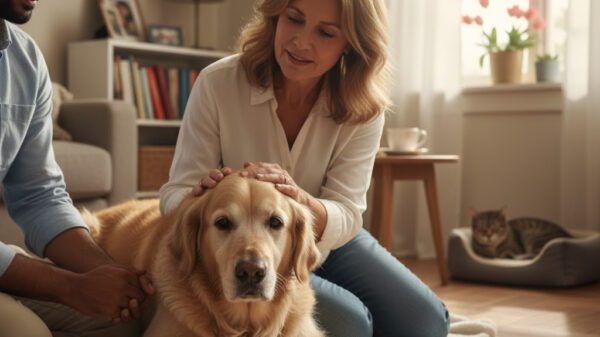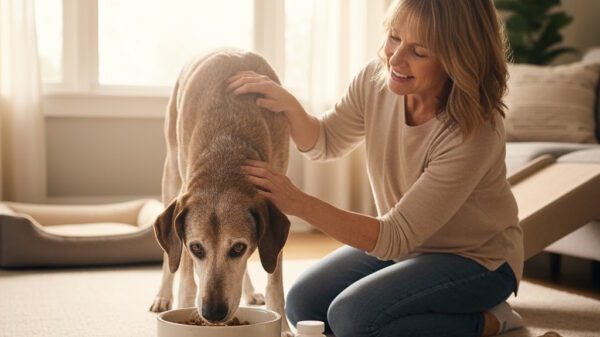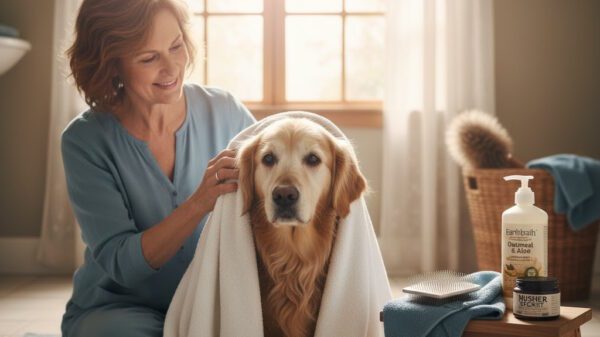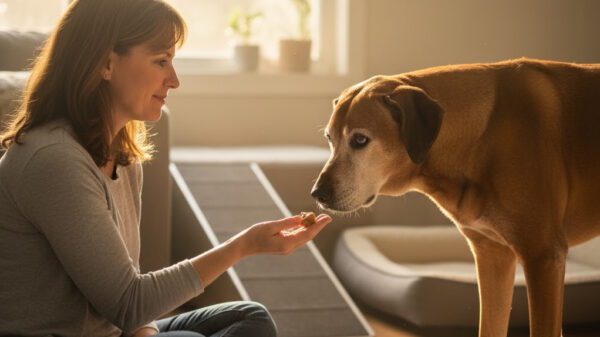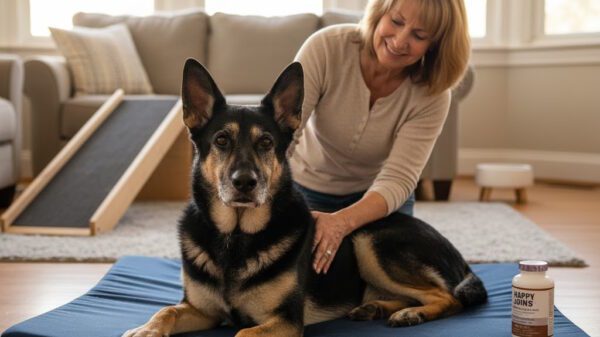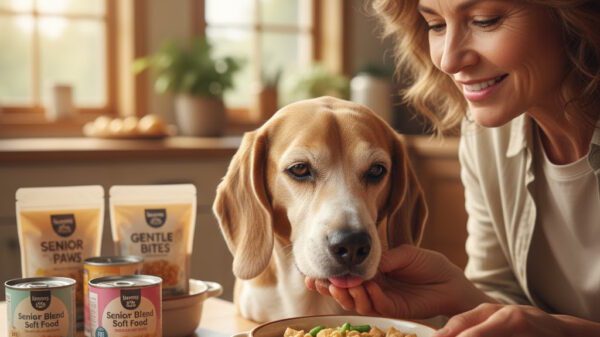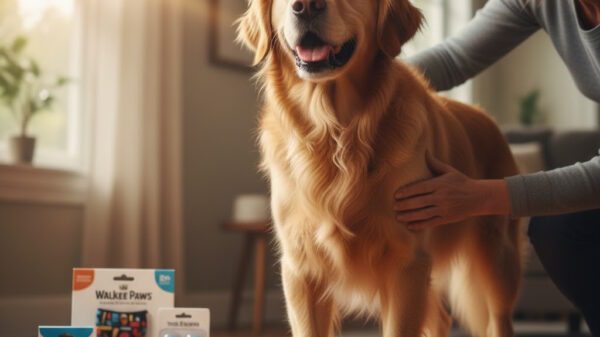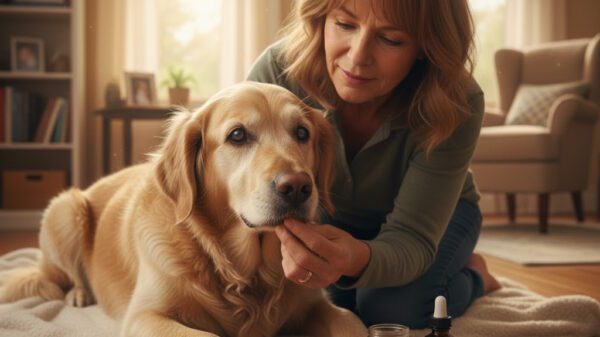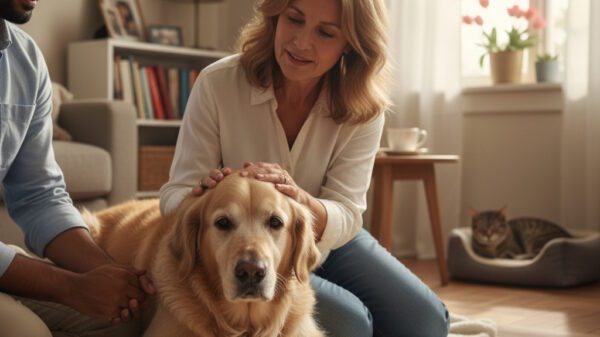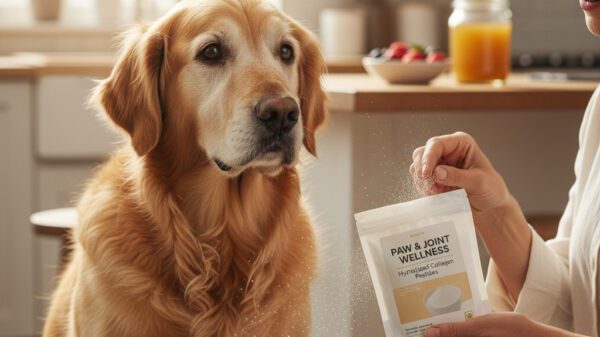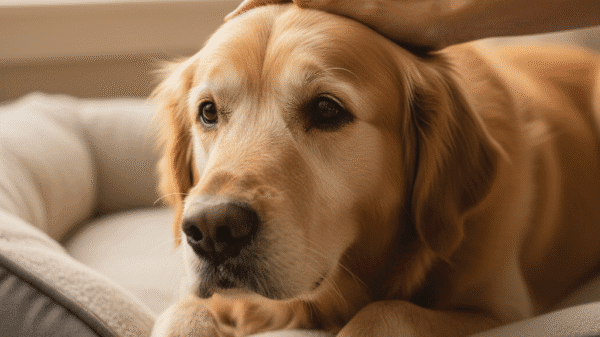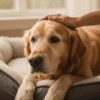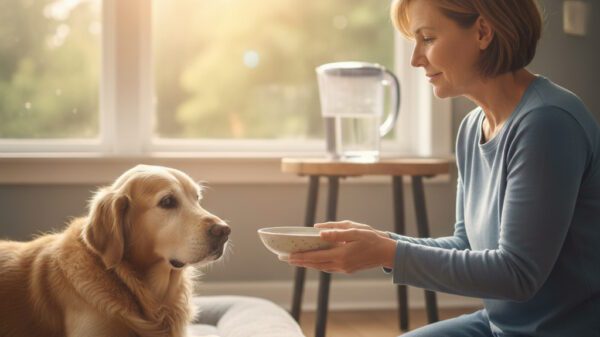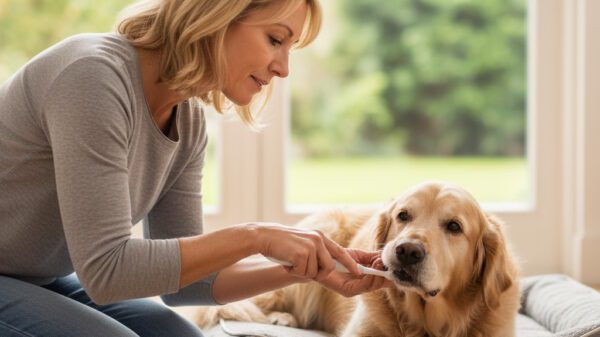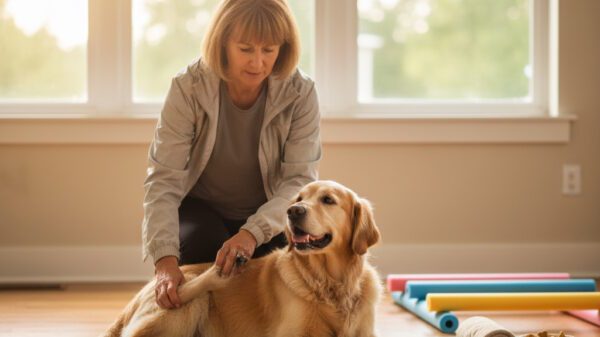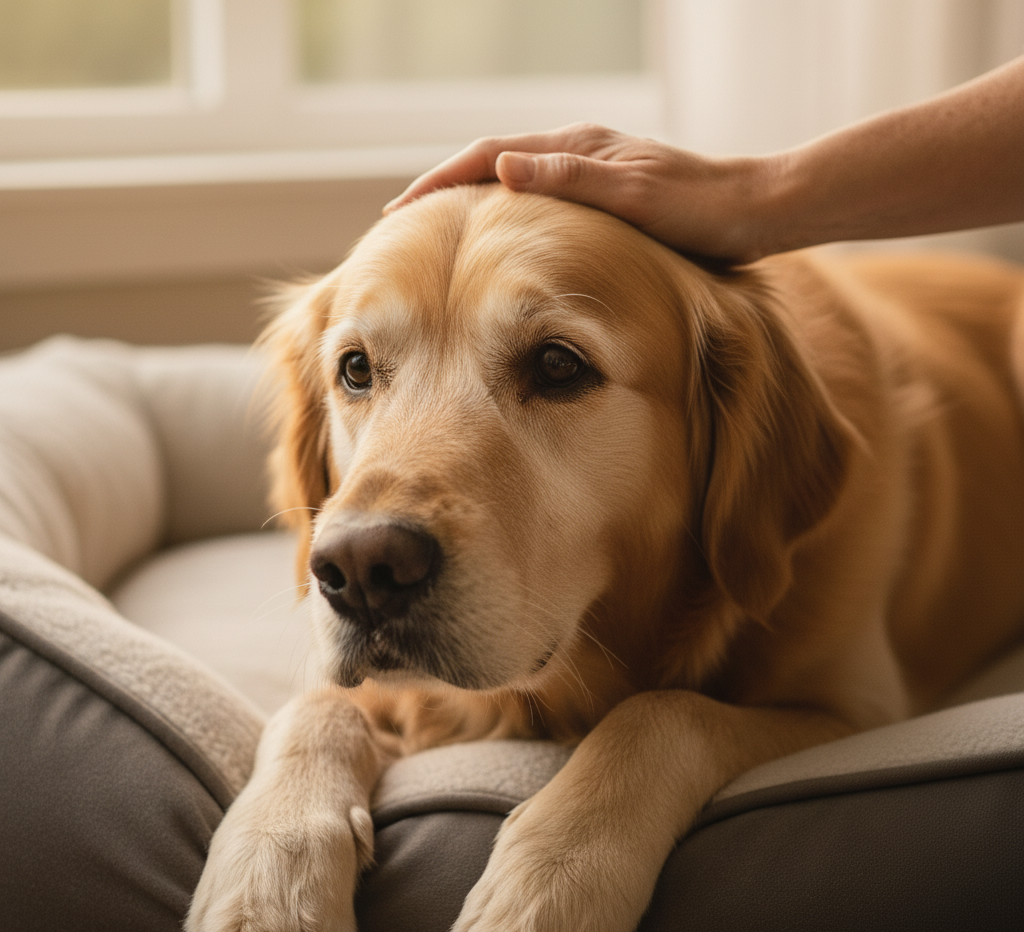
There’s a quiet intimacy in the simple act of petting a senior dog. It’s a ritual built on years of companionship. But as our hands trace the familiar contours of their back, we might start to notice subtle differences. The once-plush coat might feel a little thinner, a bit more wiry. We see the distinguished silvering around their muzzles and eyes, a beautiful badge of a life well lived. These changes are a natural part of the journey we share with our aging friends.
🧬 Why Senior Coats & Skin Change
Aging shifts the biology of skin and hair: slower hair-follicle turnover, reduced sebum, diminished collagen/elasticity, and immune changes. The result can be greying, dryness, dull coat, and mild flaking—often normal if your dog is otherwise well.
- Less oil → drier skin; hair shafts reflect less light → duller coat
- Micro-inflammation or allergies can amplify itch and hotspots
- Hormone changes (thyroid, cortisol, sex hormones) alter hair cycles
Goal: Distinguish normal aging from signs that warrant a veterinary check.
But sometimes, the changes are more concerning. A new, unfamiliar lump appears overnight. A patch of skin becomes red and irritated. Your dog, who once ignored their skin, now seems to be constantly scratching or licking. It’s in these moments that a question every devoted owner asks surfaces: Is this a normal part of getting older, or is it a sign of something more serious?
Navigating the skin and coat changes in our senior dogs requires a blend of gentle acceptance and vigilant observation. This guide is designed to give you peace of mind, helping you distinguish between the graceful signs of aging and the red flags that warrant a call to your veterinarian.
In This Guide
The Normal, Graceful Changes of a Senior Dog’s Skin and Coat
Just as our own hair and skin change over time, so do our dogs’. Many of these developments are completely benign and simply reflect their advancing years.
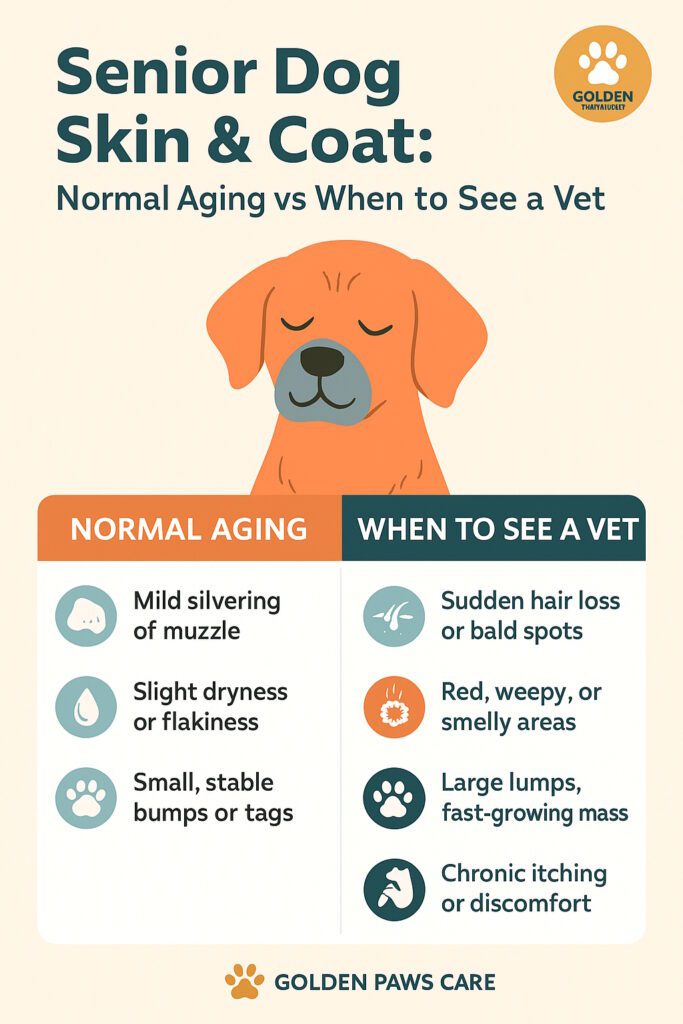
1. Going Gray (Acanthotrichia) That distinguished, graying fur around your dog’s muzzle and eyes is perhaps the most endearing sign of seniority. Known as acanthotrichia, this is a natural loss of pigment in the hair follicles. It typically starts on the face and can gradually spread. It is a completely harmless, cosmetic change – think of it as a mark of their wisdom and the many years of joy they’ve shared with you.
2. A Thinner, Drier Coat You might notice that your dog’s coat isn’t as thick and lustrous as it once was. As dogs age, their hair growth cycle slows down, and individual hairs can become coarser or more brittle. Furthermore, the sebaceous glands in their skin, which produce the natural oils (sebum) that keep the coat shiny and the skin supple, often become less active. This can lead to a duller appearance and drier, slightly flaky skin. A general, gradual thinning of the coat is typically a normal part of the aging process.
Veterinary Insight: Greying is a Normal Aging Marker
In senior dogs, hair-follicle cycling slows and pigment production declines, leading to progressive greying—especially on the face and paws—without underlying disease.
Source: Miller, Griffin, Campbell. Muller & Kirk’s Small Animal Dermatology, Elsevier.
3. Benign Lumps and Bumps This is, without a doubt, one of the biggest sources of anxiety for senior dog owners. The good news is that the majority of new growths on older dogs are benign. Common examples include:
- Skin Tags: Small, fleshy, teardrop-shaped growths that are harmless.
- Sebaceous Adenomas: These are small, cauliflower-like “warts” that result from an overgrowth of oil glands. They are very common in seniors.
- Lipomas: These are soft, movable, fatty tumors that grow just under the skin. They are almost always benign.
While these are usually nothing to worry about, the golden rule is this: any new lump or bump should be examined by a veterinarian. It’s impossible to know for sure what a growth is just by looking at it. A quick needle aspirate in your vet’s office can provide invaluable peace of mind.
Clinical Note: When Skin & Coat Signal Endocrine Disease
Symmetrical hair loss, recurrent skin infections, pot-bellied shape, or weight change can indicate hypothyroidism or hyperadrenocorticism (Cushing’s)—both more common in seniors.
Source: Feldman & Nelson. Canine & Feline Endocrinology, Elsevier.
Red Flags: When to Schedule a Vet Visit
While we can embrace the gray hairs and skin tags, other changes are your dog’s way of telling you that something is wrong. If you notice any of the following, it’s time to consult your trusted veterinary partner.
1. Sudden or Patchy Hair Loss (Alopecia): This is different from the gradual, overall thinning mentioned earlier. If you notice distinct bald patches, excessive shedding, or a symmetrically thinning coat (e.g., on both flanks), it could be a sign of an underlying medical condition.
- Possible Causes: Hormonal imbalances are a significant contributor to health issues in seniors. Hypothyroidism (underactive thyroid) and Cushing’s disease (overproduction of cortisol) are common causes of non-itchy, symmetrical hair loss. Other causes can include allergies, ringworm (a fungal infection), or mites.
2. Sores, Scabs, Rashes, or Red, Inflamed Skin: Healthy senior skin may be dry, but it shouldn’t be actively irritated. The presence of sores, scabs, or rashes indicates an active disease process that is causing discomfort.
- Possible Causes: Bacterial or yeast infections are common secondary problems, often triggered by underlying issues such as allergies (to food or environmental triggers), parasitic infections (such as fleas or mange), or autoimmune diseases.
3. Lumps that Grow Quickly, Change, or Seem to Bother Your Dog: While most lumps are benign, some are not. Any lump that is growing rapidly, changing in shape or color, feels firm and fixed to the tissue below it, or becomes ulcerated (bleeds or forms a scab) needs immediate veterinary attention. Furthermore, if your dog is constantly licking or chewing at a lump, it’s a sign that it is bothering them.
- Possible Causes: The most serious concern is cancer, such as mast cell tumors or melanomas. Early detection and removal are absolutely critical for a positive outcome.
4. Excessive Itching, Licking, or Chewing A dog who is constantly scratching, licking their paws, or chewing at their skin is in distress. This is one of the most common reasons for a vet visit.
- Possible Causes: Allergies are a leading cause of itchiness in dogs of all ages. However, it can also be a sign of parasites, a skin infection, or even pain (a dog may lick a leg obsessively because the joint underneath is arthritic).
Research Highlight: Barrier Dryness & Fatty Acids
Aging skin often shows reduced lipid content and transepidermal water loss. Dietary omega-3s (EPA/DHA) and topical emollients can improve coat quality and reduce pruritus in many dogs.
Key studies:
•
J Vet Intern Med 2000;14(4):447-54 — Fish-oil supplementation and skin/coat condition.
•
Vet Dermatol 2010;21(4):356-62 — Omega-3 enriched diet in canine skin disease.
5. Oily, Flaky, or Foul-Smelling Skin (Seborrhea) If your dog’s coat suddenly becomes very greasy and develops a strong, unpleasant odor, it could be a condition called seborrhea. This is often accompanied by excessive dandruff-like flaking.
- Possible Causes: Seborrhea is often a symptom of another underlying condition, such as hormonal imbalances, allergies, or metabolic disorders. The smell is often caused by a secondary overgrowth of bacteria or yeast that thrives in the unhealthy skin environment.
🧭 Skin & Coat Changes in Senior Dogs — What’s Normal vs. Needs a Vet
| Normal Aging Signs | At-Home Help | See Your Veterinarian If… |
|---|---|---|
| Gradual greying (face/paws), mild dullness | Gentle senior shampoo, omega-3s, soft brush | Coat thins rapidly or patches appear |
| Slight dryness, occasional flake | Humidifier, moisturizer rinse, bathing every 3–4 weeks | Persistent dandruff, redness, or sores |
| Seasonal itch (mild) | Rinse-off conditioner, anti-itch wipes, allergy diary | Hotspots, hair loss, recurrent ear/skin infections |
| A few new benign lumps | Monitor size/shape; photo log | Fast-growing, bleeding, or ulcerated masses |
| Normal shedding variation | Diet quality, brush routine, fish oils | Symmetrical baldness, pot belly, lethargy (endocrine flags) |
Tip: Log skin/coat photos monthly under the same lighting to track subtle changes.
🐾 Trusted Skin & Coat Helpers for Senior Dogs
If your veterinarian recommends supportive care, these gentle picks can help dryness, dullness, and mild itch.
Wahl USA Dry Skin & Itch Relief Pet Shampoo for Dogs
Soothes dryness; non-stripping; pairs with rinse-off conditioner.
🛒 Check PriceOmega 3 Fish Oil Supplement for Dogs & Cats (16oz)
Supports coat gloss and calms seasonal itch; vet-approved dosing.
🛒 Check PriceAs an Amazon Associate, GoldenPawsCare may earn from qualifying purchases at no extra cost to you.
Supporting Your Senior Dog’s Skin and Coat Health
The good news is that we can be proactive in supporting our older dog’s skin health.
- Nutrition is the Foundation: A high-quality diet formulated for senior dogs is essential. Look for foods rich in Omega-3 and Omega-6 fatty acids, which are crucial for reducing inflammation and maintaining a healthy skin barrier. Many vets recommend supplementing with fish oil for an extra boost.
- A Gentle Grooming Routine: Regular brushing is more important than ever for seniors. It helps distribute natural skin oils, removes dead skin cells, and—most importantly—gives you a chance to perform a regular, hands-on check for any new lumps or irritated areas. Use a softer brush to be gentle on thinning skin.
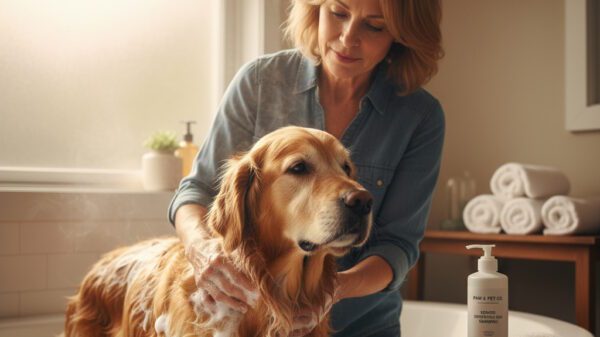
- Bathing with Care: Bathe your senior only when necessary, using a gentle, moisturizing, soap-free, or oatmeal-based shampoo designed for dogs. Over-bathing can strip their skin of its precious natural oils.
- Regular Veterinary Check-ups: A senior wellness exam every six months is one of the best investments you can make in your dog’s health. It allows your vet to track changes over time and catch potential problems in their earliest, most treatable stages.
🪄 More Help for Senior-Dog Skin, Coat & Comfort
❓ Dr. Sarah Kent, DVM Answers Common Questions
Tap a question to reveal the answer.
How often should I bathe a senior with dry skin?
Every 3–4 weeks with a gentle, moisturizing shampoo; add a rinse-off conditioner. Over-bathing strips oils.
Is sudden hair thinning normal with age?
Mild greying/dullness is common, but rapid thinning or patches warrant a vet visit to rule out endocrine disease, infections, or allergies.
Do supplements help coat quality in seniors?
Omega-3s (EPA/DHA) often improve gloss and reduce mild itch. Discuss dosing and interactions with your vet.
Verified by Dr. Sarah Kent, DVM — Senior Dermatology & Nutrition.
“Most senior-coat changes are gentle signs of time, not illness. Your job is to notice patterns—when something shifts quickly or itches relentlessly, we want to see your dog sooner rather than later.”
— Dr. Sarah Kent, DVM
Veterinary Dermatology & Senior Care
A Labor of Love
Caring for a senior dog is a profound journey. We become attuned to their every sigh, their subtle shifts in energy, and the changing texture of their coat beneath our hands. By learning to read the stories their skin and coat tell, we empower ourselves to be their best advocates. We learn to embrace the silver muzzle as a sign of a life rich with shared memories, while remaining vigilant for the signs that tell us they need our help. It’s a labor of love that ensures their golden years are as comfortable, healthy, and happy as possible.