
Nutrition & Diet for Senior Dogs: Complete Hub
Senior dogs don’t “just need less food.” Aging changes digestion, appetite, hydration habits, and how the body uses protein and calories. Many seniors also develop dental pain, arthritis, or other health conditions (such as kidney or heart disease) that make certain foods harder to tolerate — even if the same diet worked for years.
This hub is built to reduce guesswork. Instead of a chronological list of posts, it organizes senior nutrition by the real situations owners face: trouble chewing, loss of appetite, weight changes, and medically guided diets. Use the “Start Here” section below to choose what matches your dog right now — then follow the targeted guides and tools designed for that situation.
What Changes in Nutrition as Dogs Age?
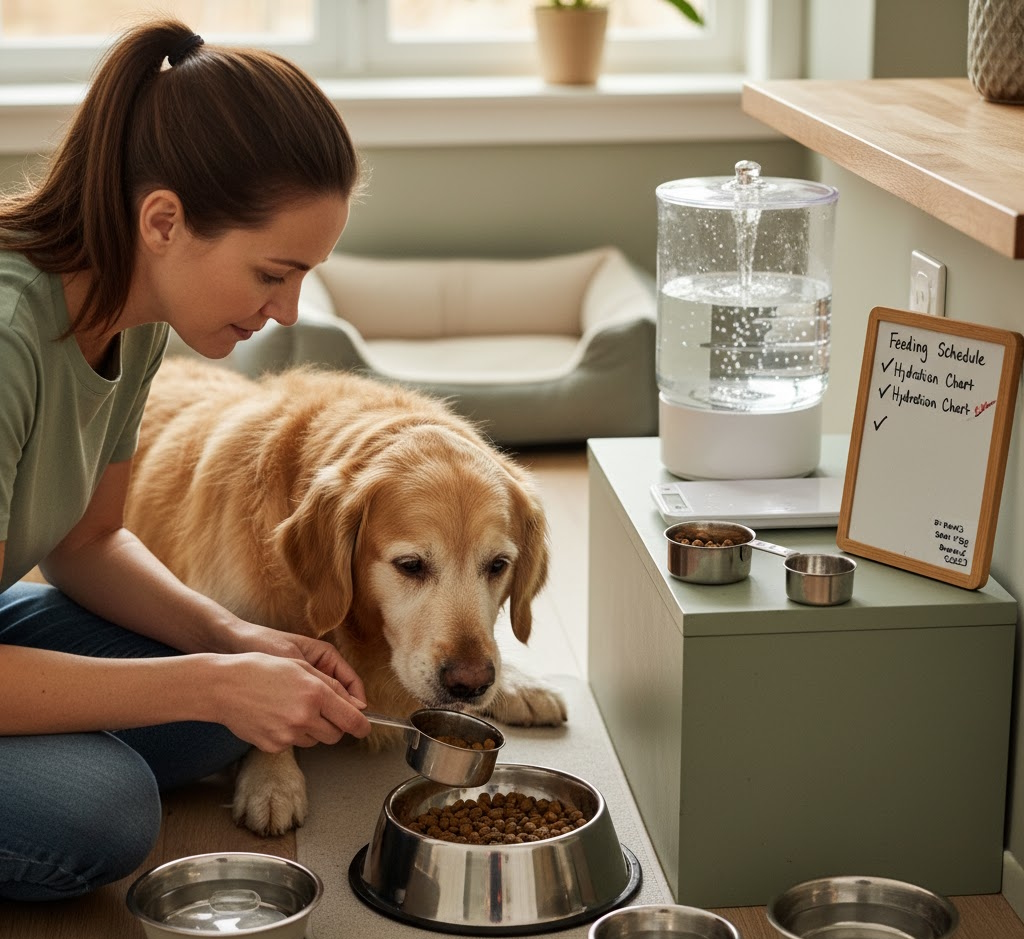
Senior dogs process food differently than adult dogs. As metabolism slows, calorie needs may drop — but nutrient needs often rise. Appetite may change, dental pain can make chewing difficult, and certain health conditions (like kidney, heart, or liver disease) can require targeted nutrition strategies. This hub is designed to help you choose the right starting point based on your dog’s real-world situation, then follow practical, senior-specific guidance from there.
Start Here: Choose Your Dog’s Situation
Pick the closest match — this sends you to the most relevant set of guides.
If You Read One Guide First, Start Here

The Ultimate Senior Dog Nutrition Guide
Portions, timing, hydration, and the senior-specific adjustments most owners miss.
Start Here
Most common fixes:
• adjust texture before switching brands
• focus on hydration (broths, wet food, water habits)
• watch for dental pain and nausea signals
• increase nutrient density, not just calories
Understanding the Basics
What matters most in ingredient panels, guarantees, and marketing claims.
Muscle support vs myths — how to think clearly about protein.
Why dehydration sneaks up, and practical ways to improve intake.
Trouble Chewing / Dental Pain
Not Eating / Picky Senior
Pain often shows up as “picky eating.” This helps you spot the subtle signs.
When you’re unsure if appetite loss is urgent, use this first.
Double-check dosing mistakes that can cause nausea or refusal.
Special Conditions
Tools That Help
Fast decision support — especially when your dog’s behavior changes suddenly.
Glossary Quick Links
Tap a term to learn what it means and why it matters for seniors.
Quick FAQs
Common questions senior-dog owners ask — with practical next steps.
Do senior dogs need “senior” food?
Sometimes. What matters most is calories, protein quality, texture tolerance, and any diagnosed conditions. Start with Understanding the Basics and the featured guide above.
Why did my senior dog suddenly stop eating?
Sudden refusal can be dental pain, nausea, medication effects, or illness. Use the Silent Pain Decoder, then go to Not Eating / Picky Senior.
How do I know if my dog needs a kidney-friendly diet?
A vet diagnosis and lab work come first. If kidney values are elevated, start with Special Conditions to understand safer nutrition decisions and what to ask your vet.
Content on GoldenPawsCare is written and reviewed using veterinary references, clinical guidelines, and real-world senior dog care experience.
Learn more about nutrition terms like Glucosamine and Omega-3 in our senior guides.