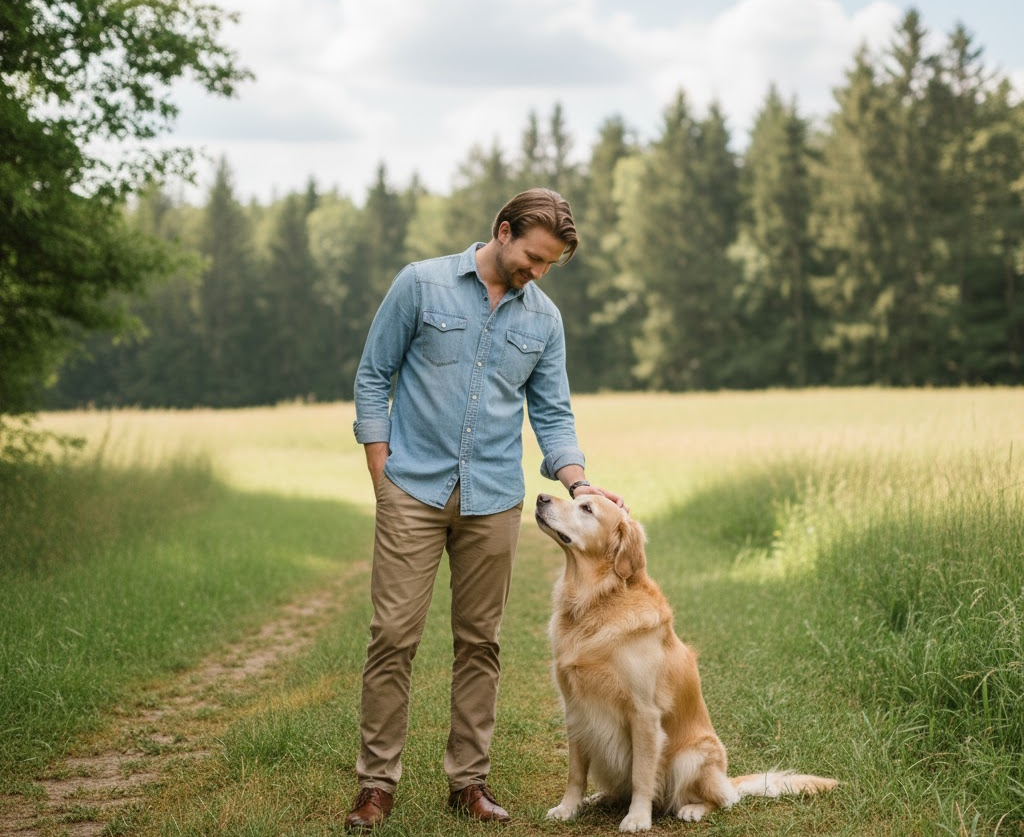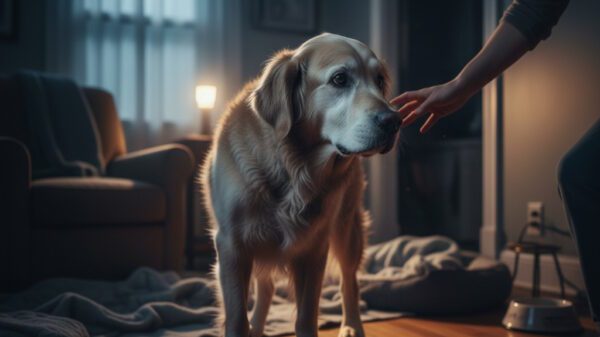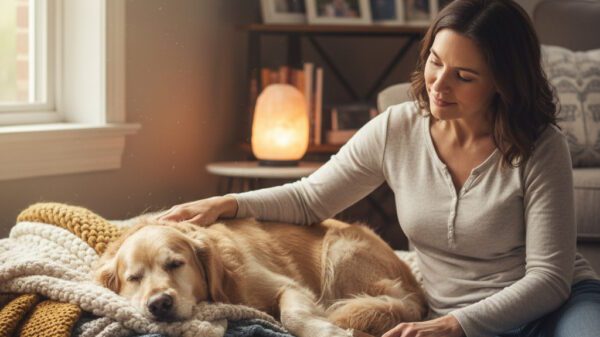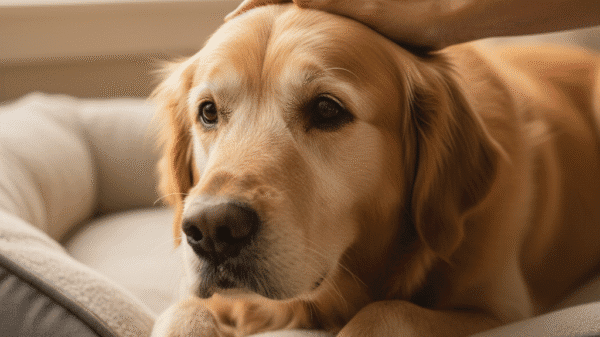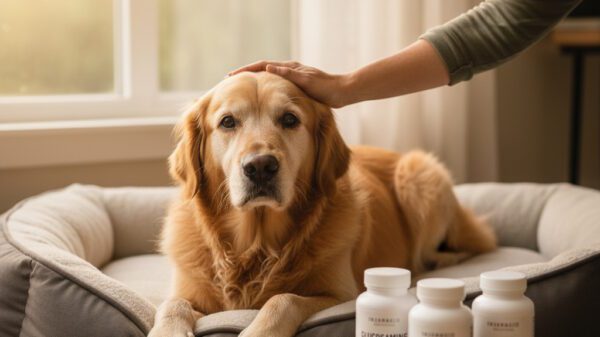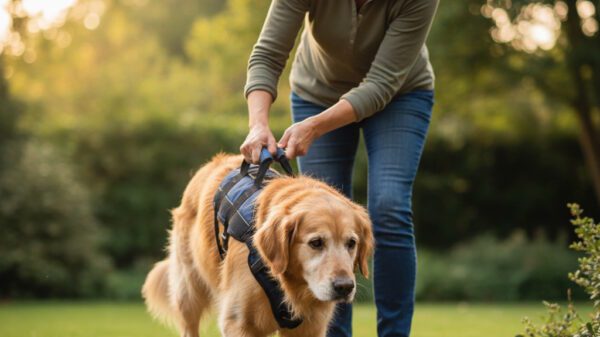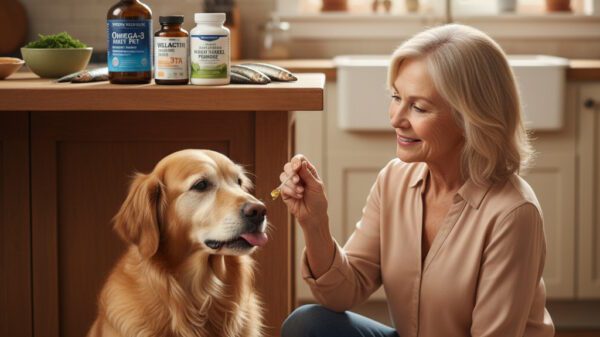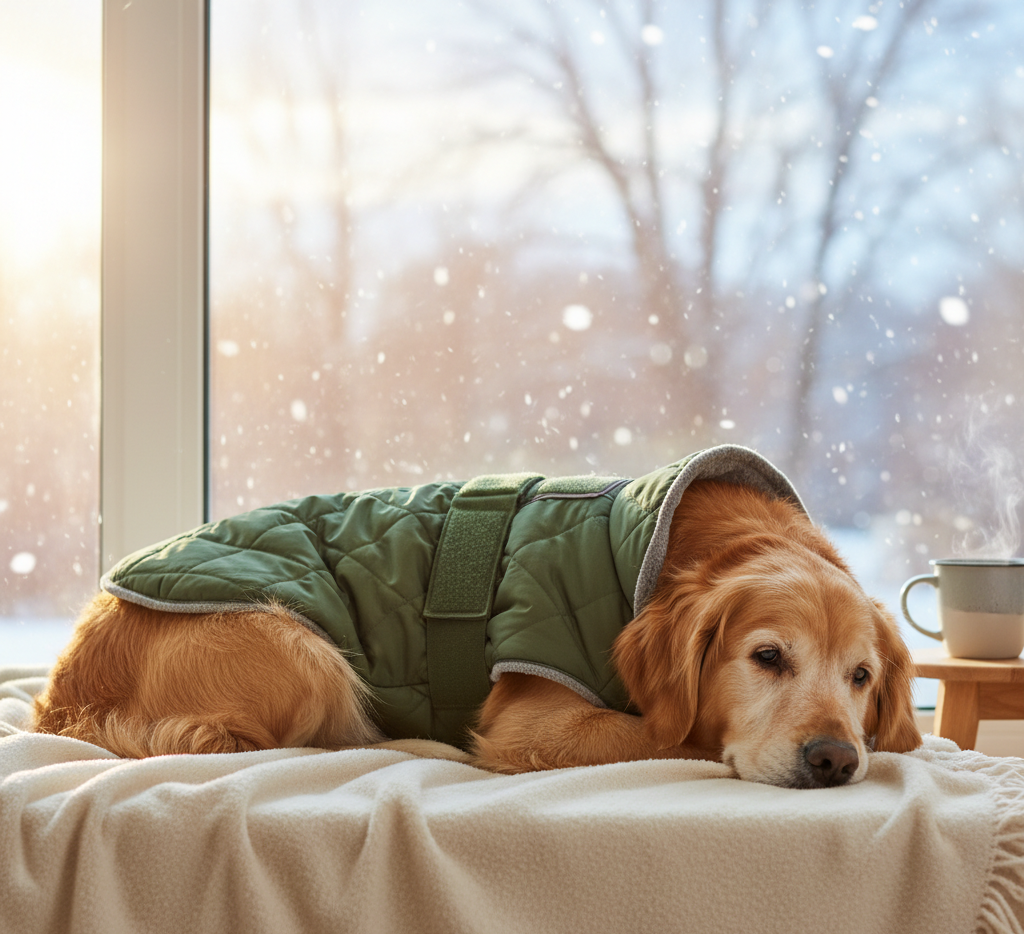
There’s a familiar hesitation that many of us with senior dogs know by heart. It’s the pause at the open door on a crisp autumn morning, the slight shiver while waiting for a treat in a drafty kitchen, or the reluctance to step onto damp, chilly grass. As our devoted companions enter their golden years, their world changes. For them, a well-chosen jacket or sweater isn’t a fashion accessory; it’s a wearable hug —a shield against discomfort that lets them continue enjoying life with dignity and warmth.
🧬 Why Senior Dogs Feel Cold More Easily
- Less muscle mass → reduced heat production at rest.
- Thinner subcutaneous fat → poorer insulation.
- Slower metabolism or hypothyroidism → lower basal temperature tolerance.
- Osteoarthritis pain → less movement → less heat from activity.
- Poor circulation (cardio/vascular changes) → cold extremities faster.
Goal: Choose insulation and coverage that match your dog’s health status, not just the weather.
Watching a cherished friend struggle with the cold is difficult, but providing them with the right clothing is a simple yet profound act of love. This guide is for those of us dedicated to keeping our senior dogs comfortable and happy, offering practical advice on keeping them warm in winter and other cooler seasons.
In This Guide
A Deeper Understanding: Why Our Senior Companions Feel the Chill
To find the best solution, we must first appreciate the complex reasons an older dog gets cold. It’s not just in their head; their physiology undergoes significant changes.
- A Slowing Internal Furnace: A dog’s metabolism is their engine, constantly burning calories to create energy and, as a byproduct, heat. As dogs age, their metabolic rate naturally slows down. They don’t generate the same level of internal warmth they did in their youth, making them more reliant on their environment to stay comfortable.
- Changes in Body Composition: Young dogs often have robust muscle mass and a healthy layer of body fat. Muscle generates heat during movement, and fat acts as a natural insulator. Seniors, however, often experience muscle atrophy and weight loss, leaving them with less of this natural defense against illness. You might notice that their hips and spine feel more pronounced; these are areas where heat can now escape more easily.
- A Less Protective Coat: A dog’s coat is a marvel of natural engineering, designed to trap air and repel water. With age, the skin can produce fewer natural oils, and the fur itself can become thinner or less dense. Their once-plush undercoat may no longer be what it used to be, rendering their reliable winter coat a threadbare sweater.
- The Impact of Health Conditions: This is a crucial factor for seniors. Conditions like arthritis are significantly worsened by the cold, which can cause joints to become stiff, achy, and intensely painful. Furthermore, diseases common in older dogs, such as hypothyroidism, kidney disease, or Cushing’s, can directly interfere with the body’s ability to regulate its own temperature, a key reason you might see a senior dog shivering in the house even when you feel comfortable.
The Hallmarks of the Perfect Senior Dog Coat: A Buyer’s Checklist
When you’re choosing the right coat for an older dog, the priorities are different. Forget complicated buckles and trendy fits; focus on what truly delivers comfort.
🧭 Choosing a Jacket for Senior Dogs — Health & Weather Matrix
| Situation | Best Jacket Type | Key Features to Look For | Avoid If… |
|---|---|---|---|
| Mild cold, arthritic stiffness | Light insulated vest | Core warmth; stretchy chest; harness portal; low neck pressure | Tight leg holes or rigid panels |
| Wet/windy conditions | Waterproof shell with fleece liner | Taped seams; wind flap; belly coverage; reflective trim | Non-breathable PVC that traps moisture |
| Very cold, thin-coated senior | Insulated parka (full coverage) | Thinsulate/down-alt; long back; adjustable girth; easy closures | Heavy, stiff parkas that limit gait |
| Incontinence/odor concerns | Wash-easy softshell | Machine-washable; quick-dry; anti-odor lining | Fur-snagging velcro or hard-to-wash quilting |
| Post-op / sensitive skin | Seam-minimal, tag-less fleece | Flatlock seams; soft interior; wide armholes | Rough seams or narrow leg openings |
Tip: For arthritis, prioritize easy on/off designs (side or back closures) to avoid painful shoulder flexion.
📏 Measure Before You Buy
- Back Length: Base of neck (withers) to base of tail.
- Chest Girth: Around the widest part of the ribcage.
- Neck Circumference: Where collar sits—ensure two-finger ease.
Fit check: Two-finger ease at neck and chest; free shoulder movement; jacket doesn’t ride up when sitting. If between sizes, size up and use adjusters.
Harness user? Choose jackets with a leash portal and avoid high collars that push against the trachea.
📏 Senior Dog Jacket Sizing Guide
Measure back length (base of neck to tail), chest girth (widest part behind front legs), and neck circumference. Always allow extra room for layering or limited mobility.
| Size | Back Length (in) | Chest Girth (in) | Approx. Breeds |
|---|---|---|---|
| XS | 8–11 | 12–16 | Chihuahua, Yorkie |
| S | 12–15 | 16–20 | Shih Tzu, Dachshund |
| M | 16–19 | 21–25 | Cocker Spaniel, Beagle |
| L | 20–23 | 26–31 | Border Collie, Vizsla |
| XL | 24–28 | 32–38 | Labrador, Boxer |
| XXL | 29–34+ | 39–46+ | Golden Retriever, German Shepherd |
Tip: For seniors with arthritis or limited flexibility, size up slightly for easier dressing and unrestricted motion.
Tip: Measure back length, chest girth, and neck circumference before ordering. Fit is more important than insulation level for senior comfort.
Disclosure: As an Amazon Associate, GoldenPawsCare may earn from qualifying purchases—at no extra cost to you.
First and foremost is the ease of putting it on and taking it off. Imagine trying to guide a stiff, sore leg through a tight opening. It’s a recipe for stress and pain for your dog, and frustration for you. This is where easy-on, off dog coats for senior dogs are a game-changer. Look for designs that drape over the back and secure with wide, adjustable Velcro straps around the chest and belly. These are forgiving, silent, and don’t require your dog to contort. Some of the most beloved jackets like those from Ruffwear. These designs are celebrated by owners specifically for their thoughtful, arthritis-friendly features.
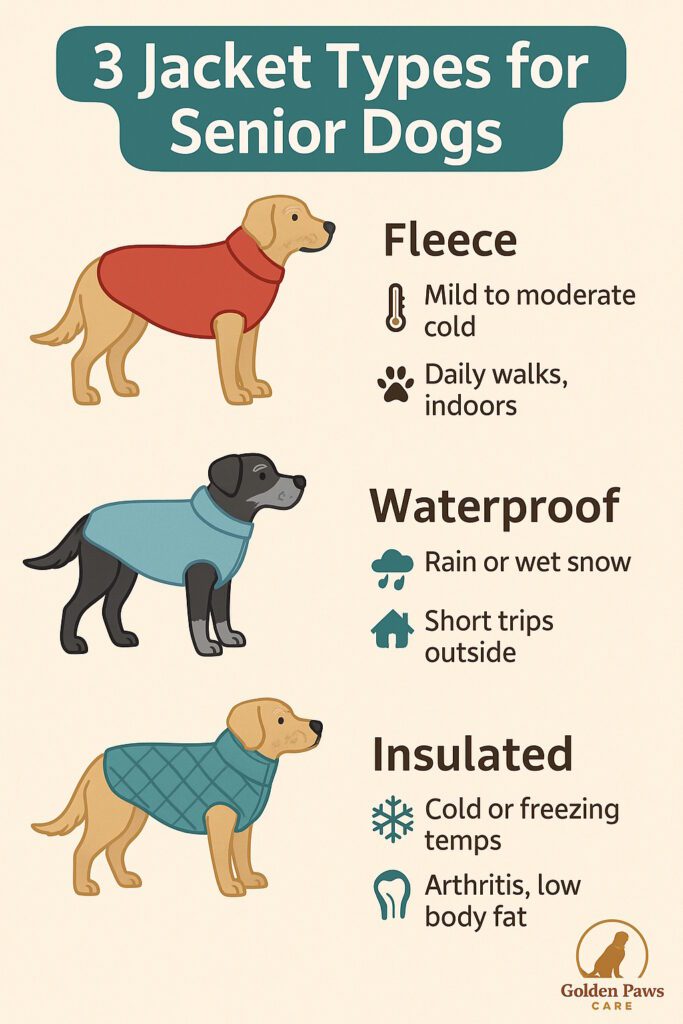
Next, consider the materials. For indoor wear or on mild days, a soft fleece is perfect. It’s lightweight, breathable, and provides a comforting layer of warmth. For outdoor adventures, a multi-layered approach is necessary. An outer shell should be, at a minimum, water-resistant to handle dew and drizzle, and ideally fully waterproof for rain and snow. A wet dog is a cold dog, period. The inner lining should be soft and insulating—fleece, flannel, or a quilted synthetic fill are all excellent choices that effectively trap body heat.
Finally, think about coverage and fit. A coat that only covers the back is doing half the job. The best dog jackets for dogs with stiff joints provide generous coverage over the major muscle groups of the back, chest, and, crucially, the underbelly. This protects their vital organs from the cold, damp ground. Please measure your dog’s length (from the base of the neck to the tail) and girth (the widest part of their chest). Then, compare these measurements to the brand’s specific size chart to ensure a perfect, non-restrictive fit that won’t chafe under their front legs.
Finding the Right Style for Your Dog’s Daily Life
With these key features in mind, you can find the perfect style for your dog’s routine.
For indoor lounging or on brisk, dry days, a lightweight dog sweater is ideal. It helps mitigate the chill of a drafty room without causing overheating. Many owners love simple, one-piece fleece pullovers because their stretchy nature provides a snug fit that feels like a gentle hug, offering security and comfort for long naps.
For daily walks where wind or rain is a factor, you’ll want a versatile, waterproof coat for an aging dog. This is the workhorse of your dog’s wardrobe. Look for a jacket with a durable outer shell and a soft, insulated lining. A well-designed coat will often include these essential layers plus thoughtful details like a port for a harness and reflective trim for safety on gloomy days.
For dogs in colder climates or those with thin coats, a more substantial parka is a must. When the snow falls and the temperatures truly drop, you need the best winter coat for a dog with arthritis. You’ll want maximum belly coverage and a high, insulated collar to protect them from biting winds. The top-rated winter parkas deliver incredible warmth while remaining lightweight so that they won’t hinder a senior’s slower gait.
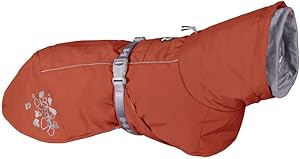
Editor’s Pick: Hurtta Extreme Warmer
Maximum warmth without sacrificing movement—ideal for thin-coated or arthritic seniors in wind, snow, or freezing temps.
- Thermal, reflective lining retains body heat efficiently
- Extended collar & belly panel ease joint stiffness
- Adjustable fit, leash portal, and reflective trim for safety
Fit tip: Prioritize chest/girth and back length. Seniors with shoulder pain do best with easy side/back closures.
Disclosure: As an Amazon Associate, GoldenPawsCare may earn from qualifying purchases—at no extra cost to you.
The Gentle Introduction: Helping Your Dog Love Their New Coat
Some dogs take to wearing clothes immediately, but for others, it’s a strange new experience. The key is to create a positive association.
- Introduce it as a Friend: Don’t just pull it out and put it on. Leave the new coat on the floor for a while. Allow your dog to sniff, investigate, and become accustomed to its surroundings. Drop a few high-value treats on and around it.
- Short & Sweet Sessions: The first few times, drape the coat over their back for a few seconds. Praise them enthusiastically and give them a treat. Then take it off. Keep it light and positive.
- Associate with Joy: Once they are comfortable with it on, put it on them right before something they love, like dinner time or their favorite walk. They will quickly learn that “coat on” means “good things are about to happen.”
🧣 More Help for Cold-Sensitive Senior Dogs
❓ Dr. Sarah Kent, DVM Answers Common Jacket Questions
Tap a question to reveal the answer.
How cold is “cold enough” for a senior to wear a jacket?
Many seniors appreciate light insulation below ~50–55°F (10–13°C), especially thin-coated or arthritic dogs. Wind/rain lowers the threshold.
Can jackets worsen skin issues or hot spots?
Choose breathable, seam-minimal fabrics and keep coats clean/dry. If your dog has active dermatitis, ask your vet before extended wear.
Jacket or sweater—what’s better for arthritis?
Soft, easy on/off designs that don’t demand shoulder flexion. Side or back closures beat tight pullovers for stiff dogs.
Reviewed by Dr. Sarah Kent, DVM — Senior Care & Mobility.
“Warmth reduces stiffness. The right jacket isn’t a fashion choice for seniors—it’s a comfort tool that keeps walks safer and more enjoyable.”
— Dr. Sarah Kent, DVM • Senior Canine Health
A Final Thought: An Act of Comfort and Gratitude
Choosing the right clothing for your senior dog is more than a practical task; it’s a direct response to their silent needs. It’s about noticing that subtle shiver and giving them back the warmth they are losing. It’s an act of gratitude for a lifetime of unconditional love, ensuring their golden years are truly golden.