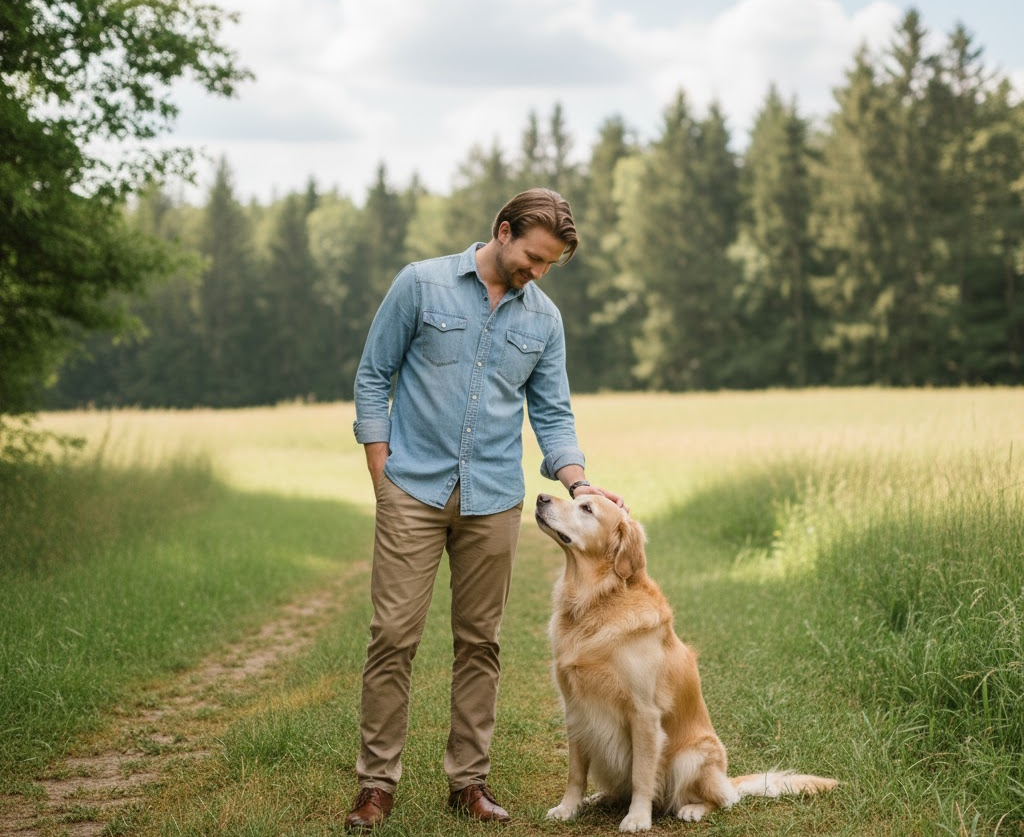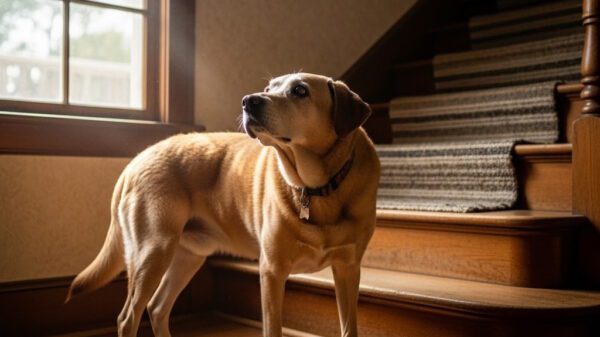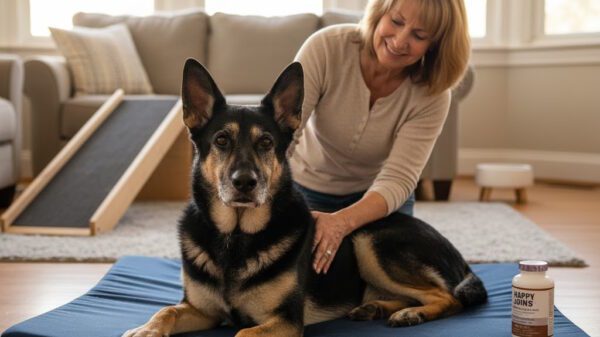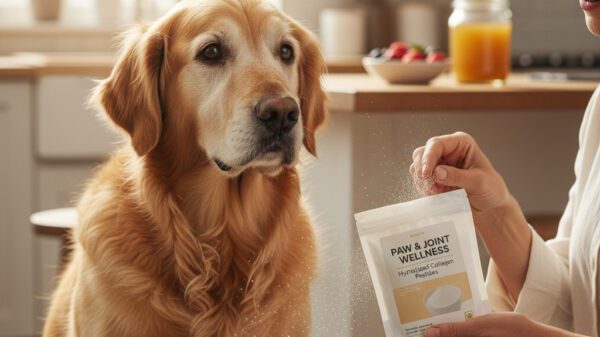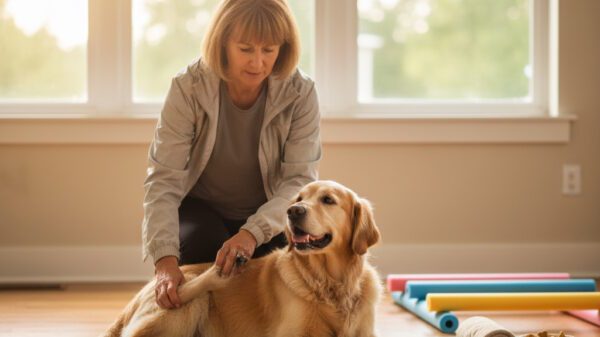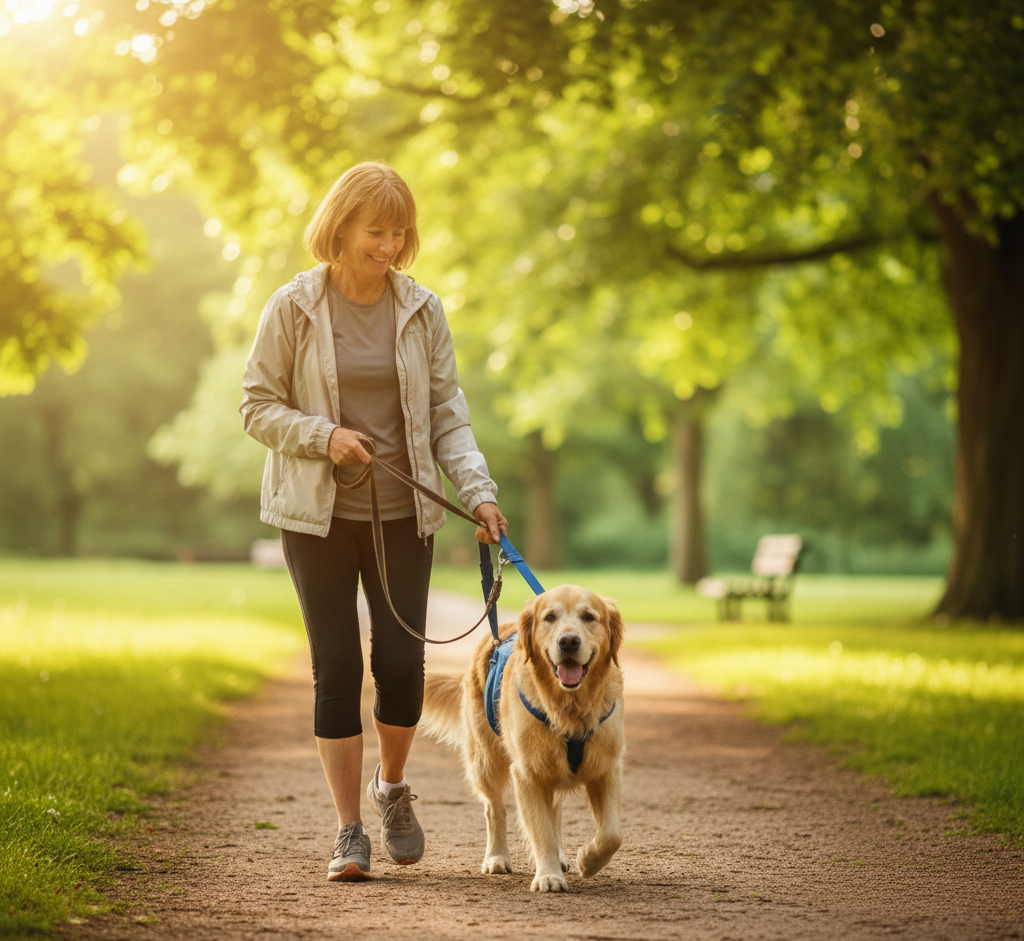
A quiet shift occurs as our dogs enter their golden years. The frenetic energy of puppyhood softens into a dignified calm, and contented naps in sunbeams replace the wild sprints in the yard. We look at their silvering muzzles and see a lifetime of loyalty and love. In our desire to shower them with affection, we often express it through tasty treats and heaping food bowls. However, sometimes this love can lead to a few extra pounds, and for a senior dog, that weight can carry a heavy burden.
⚖️ Why Senior Dogs’ Weight Changes
As dogs age, their metabolism naturally slows. Muscle mass decreases, hormones shift, and calorie needs drop even if food portions stay the same. Some dogs lose weight due to reduced appetite or dental pain, while others gain weight from inactivity and slower calorie burn.
- • Declining muscle mass (sarcopenia) lowers basal metabolism
- • Reduced activity levels mean fewer calories burned daily
- • Chronic pain or dental issues can decrease food intake
- • Hormonal changes (thyroid, cortisol) alter fat storage
Understanding these changes helps tailor your senior dog’s diet, portion size, and activity level — balancing longevity with comfort.
🧠 Quick Fact:
Senior dogs over age 10 often burn 15–25 % fewer calories per day than younger adults, depending on breed and activity level. Adjusting calories early can prevent gradual fat gain.
Source: Laflamme D. “Nutrition for Aging Dogs.” Vet Clin North Am Small Anim Pract, 2005
Managing your senior dog’s weight isn’t about putting them on a restrictive, joyless diet. It’s a profound act of love—a thoughtful strategy to reduce pain, increase mobility, and add more comfortable, happy years to your precious time together. Watching a cherished companion struggle to get up or lag on walks is heartbreaking. The good news is that with gentle adjustments to their diet and exercise, you can give them the incredible gift of a lighter, more comfortable body.
This guide will walk you through the expert-recommended, heart-centered approach to helping your senior dog achieve and maintain a healthy weight.
In This Guide
The “Why”: The Dangers of Extra Pounds on an Aging Frame
Before we dive into the “how,” it’s crucial to understand why maintaining a lean body condition is arguably the single most important thing you can do for your senior dog’s health. A slower metabolism and decreased activity mean seniors are predisposed to weight gain, and that excess weight is a direct threat to their well-being.
🩺 Veterinary Insight: Metabolic Slowdown in Aging Dogs
Studies confirm that older dogs experience a measurable decline in energy expenditure — primarily due to loss of lean body mass and lower physical activity. Caloric needs can drop by 20–30 % between ages 7 and 12 depending on breed and size.
Source: Speakman JR, et al. “Age-related metabolic rate changes in the dog.” Journal of Nutrition, 2005
- Excruciating Joint Pain: For a dog with arthritis—a near-universal ailment in seniors—every extra pound acts as a force multiplier, putting immense pressure on already sore and inflamed joints. Imagine carrying a heavy backpack all day with aching knees; that’s what we ask of them when they are overweight.
- Increased Risk of Disease: Obesity is a primary risk factor for a host of serious conditions, including diabetes, painful pancreatitis, heart disease, and even certain types of cancer.
- Respiratory Strain: Fat deposits in the chest and around the abdomen can physically restrict the lungs, making it harder for your dog to breathe comfortably, especially during sleep or mild exertion.
- Reduced Quality and Length of Life: Studies have shown that lean dogs live, on average, up to two years longer than their overweight counterparts. More importantly, those years are spent with more energy, less pain, and greater mobility.
The Nutrition Blueprint: Feeding for Health, Not Just Habit
The foundation of any weight management plan is what goes into the food bowl. Senior dogs have unique nutritional needs that differ significantly from those of their younger selves.
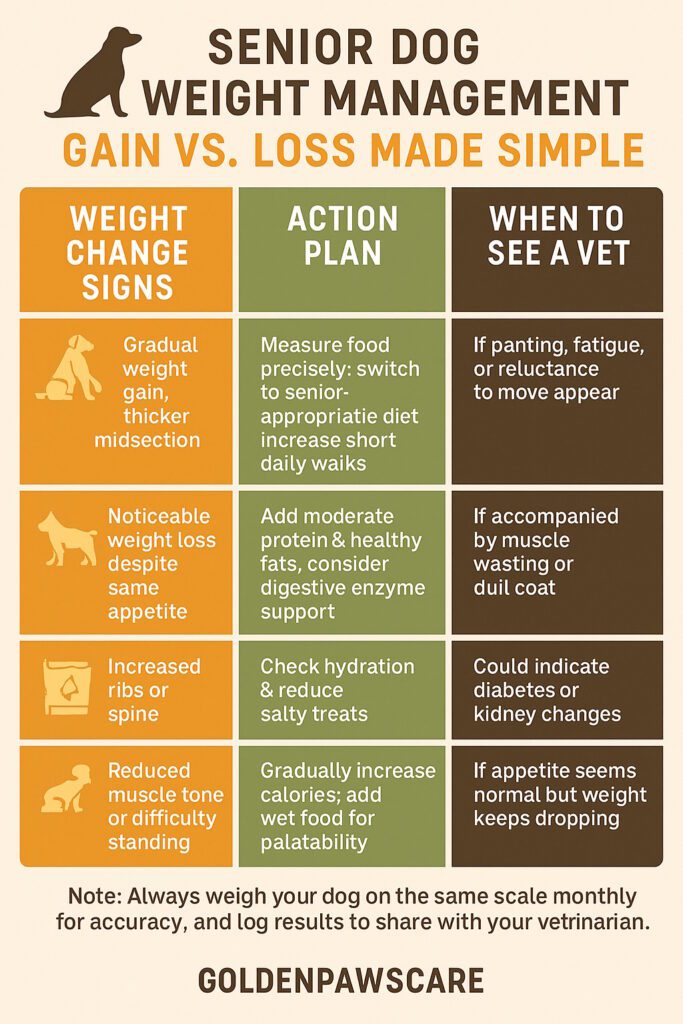
| Weight Change Signs | Action Plan | When to See a Vet |
|---|---|---|
| Gradual weight gain, thicker midsection | Measure food precisely; switch to senior-appropriate diet; increase short daily walks | If panting, fatigue, or reluctance to move appear |
| Noticeable weight loss despite same appetite | Add moderate protein & healthy fats; consider digestive enzyme support | If accompanied by muscle wasting or dull coat |
| Increased thirst or frequent urination | Check hydration & reduce salty treats | Could indicate diabetes or kidney changes |
| Visible ribs or spine | Gradually increase calories; add wet food for palatability | If appetite seems normal but weight keeps dropping |
| Reduced muscle tone or difficulty standing | Focus on protein intake and gentle strengthening exercises | If weakness or trembling worsens |
Note: Weigh monthly on the same scale and log results for your vet.
1. The Calorie Conundrum: Less is More: As a dog’s metabolism slows and their activity level decreases, their daily calorie requirement drops significantly. Continuing to feed them the same portion size you did when they were five is a guaranteed recipe for weight gain. The first step is acknowledging that they need less fuel.
2. Choose the Right Food: The dog food market can be overwhelming, but focusing on a few key types can simplify the choice.
🐾 Recommended Senior-Dog Weight Tools & Diet Options
If your veterinarian recommends adjusting your dog’s weight, these trusted tools and foods support healthy change — whether your senior pup needs to shed a few ounces or regain strength. Each pick is vetted for safety, ingredient quality, and senior-friendly nutrition.
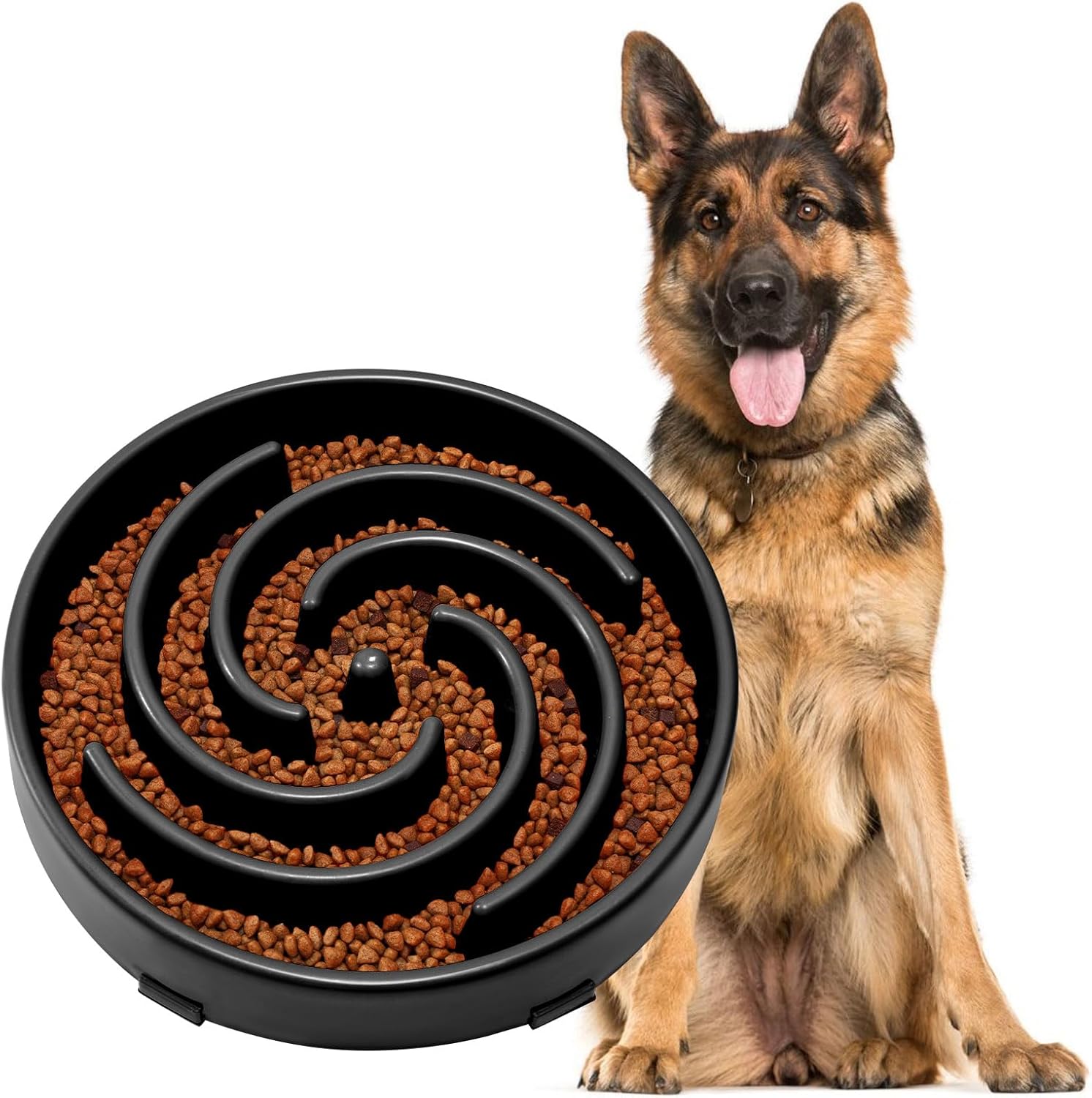
JASGOOD Slow Feeder Dogs Bowl
Slows eating pace to prevent bloating and overeating; dishwasher safe and durable.
🛒 Check Price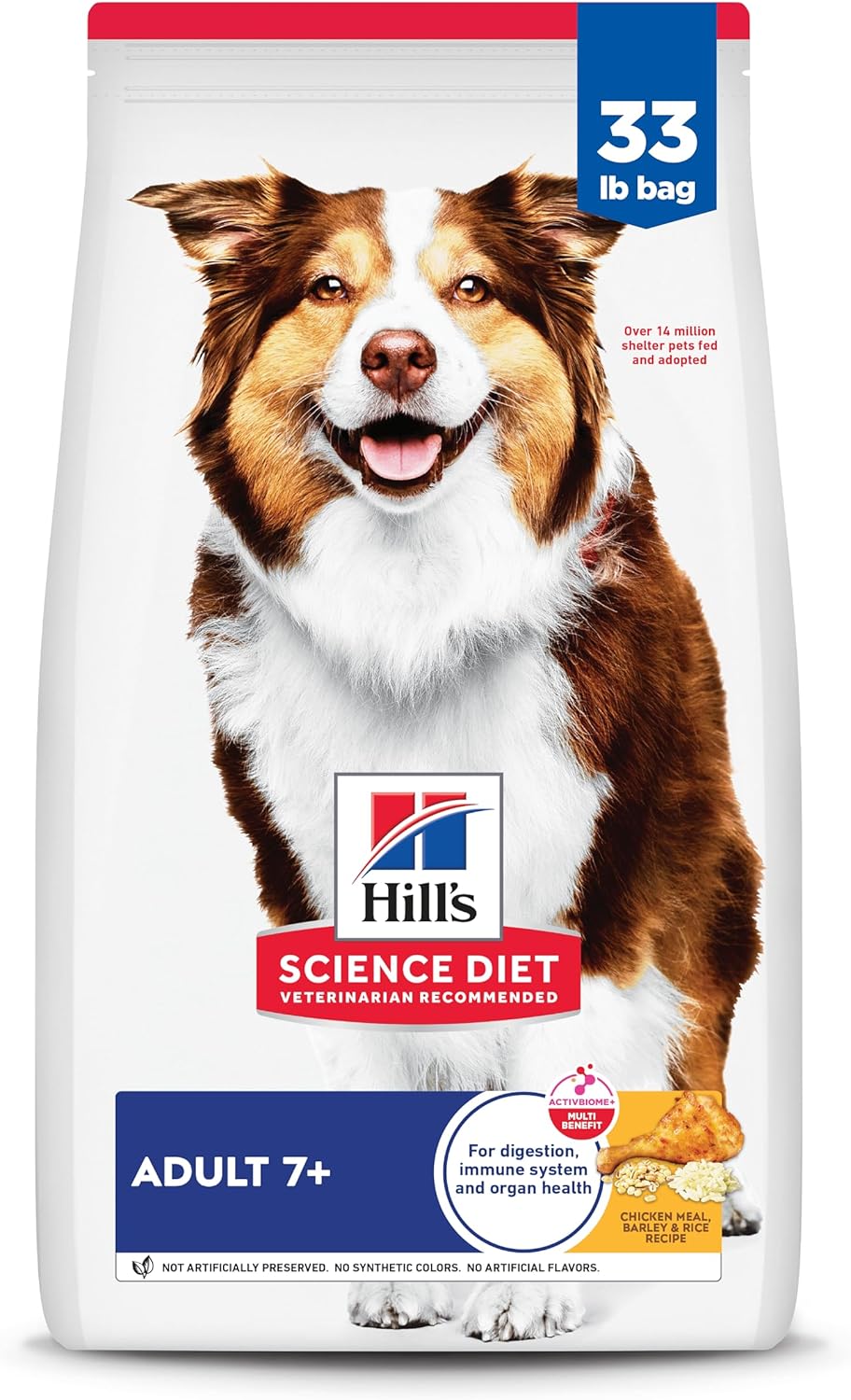
Hill’s Science Diet Senior Dog Food
Balanced protein and fiber to maintain lean muscle and digestive comfort in aging dogs.
🛒 Check PriceAs an Amazon Associate, GoldenPawsCare may earn from qualifying purchases at no extra cost to you.
- “Senior” Formulas: These diets are specifically designed for the aging dog. They typically have fewer calories, a higher fiber content to help your dog feel full, and often include beneficial additives like glucosamine and chondroitin for joint support, as well as omega-3 fatty acids to combat inflammation.
- “Weight Management” or “Healthy Weight” Formulas: If your dog needs to actively lose weight, these diets are often the best choice. They are even more calorie-restricted and higher in fiber than most senior foods, designed to create a safe calorie deficit while providing complete nutrition.
- Focus on High-Quality Protein: It’s a common misconception that senior dogs require less protein. In fact, high-quality animal protein is essential for helping them maintain lean muscle mass, which is crucial for maintaining strength and mobility.
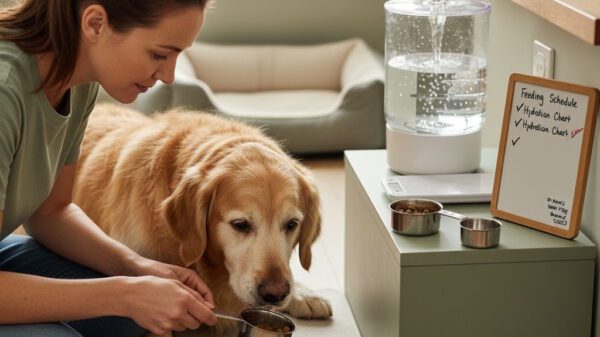
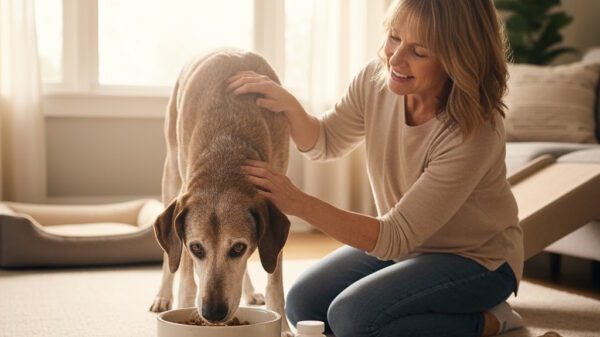
3. Measure Every Single Meal: This is the most critical, non-negotiable step. The instructions on a dog food bag are a starting point, but the serving size your dog needs may be different. Using a proper 8-ounce measuring cup—not a coffee mug or a scoop—ensures consistency. If your vet has calculated your dog’s specific daily calorie needs, you can use that to determine the precise amount to feed. Precision is the key to success.
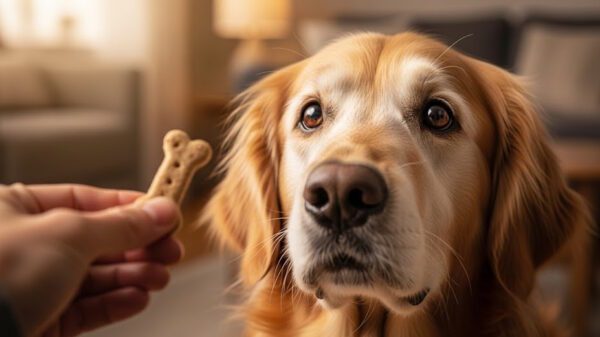
4. The Truth About Treats: For many of us, treats are a tangible expression of love. The key is to redefine what a “treat” is.
- The 10% Rule: Treats and table scraps should make up no more than 10% of your dog’s total daily caloric intake. For a senior dog on a diet, this isn’t much.
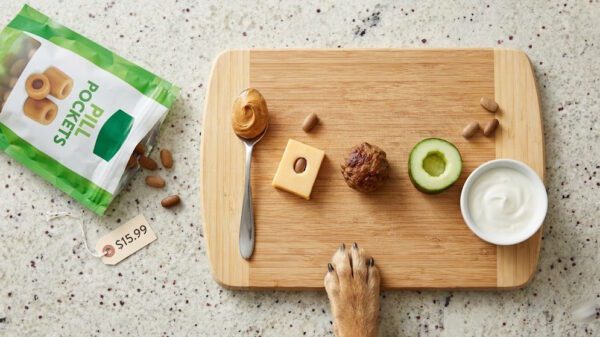
- Healthy Swaps: Instead of high-fat commercial biscuits, offer low-calorie alternatives. Many dogs love the crunchy texture of baby carrots, green beans, or small pieces of apple. You can also find commercial low-calorie training treats.
- Love Without Calories: Remember that what your dog craves most is your attention. A loving belly rub, a gentle five-minute grooming session, a game of “find it,” or simply a kind word and eye contact can be just as rewarding as a cookie.
The Movement Manifesto: Gentle Exercise for Aging Joints
Exercise for a senior dog isn’t about burning massive amounts of calories; it’s about maintaining mobility, muscle tone, and mental engagement. The golden rule is low-impact is king.
- Slow, Consistent Walks: The days of long, grueling hikes may be over, but the value of a walk remains. Shorter, more frequent walks are often better than one long one. Two or three gentle 15-minute strolls can keep their joints lubricated and their muscles active without causing exhaustion. Let your dog set the pace and watch them closely for signs of fatigue, like lagging or excessive panting.
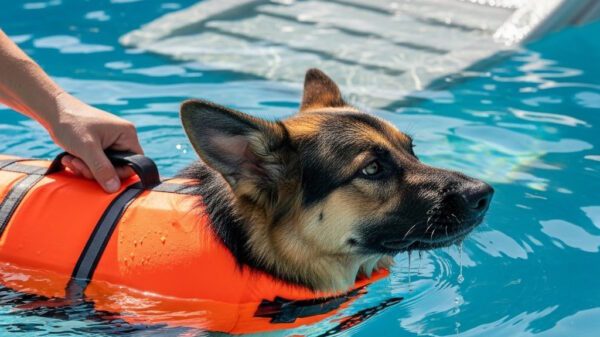
- Swimming: (The Perfect Senior Exercise): If you have access to a safe body of water or a canine hydrotherapy center, swimming is a phenomenal activity. The buoyancy of the water makes it a completely non-weight-bearing activity, meaning it’s a fantastic cardiovascular workout that builds muscle without putting any stress on sore joints.
- Gentle Indoor Games: On days when the weather is bad or your dog isn’t up for a walk, you can still engage their mind and body. Hide-and-seek with a low-calorie treat, simple puzzle toys, or a very gentle game of slow-motion tug-of-war can provide great stimulation.
What to Avoid: Steer clear of high-impact activities like jumping for balls or frisbees, sharp, sudden turns, or running on hard surfaces like pavement.
Partnering with Your Vet: The Most Important Step
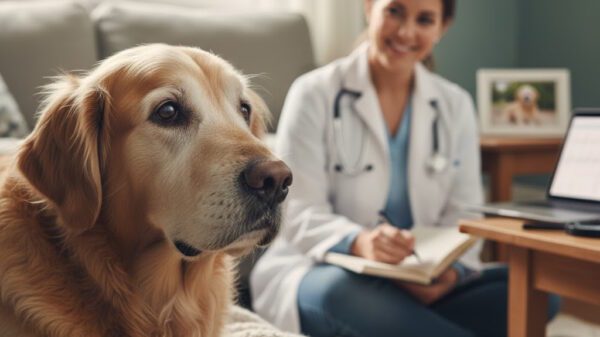
Before you make any significant changes to your dog’s diet or exercise routine, a check-up with your veterinarian is essential. Your vet can:
- Rule out medical causes for weight gain, such as hypothyroidism or fluid retention.
- Perform a Body Condition Score to determine your dog’s ideal weight.
- Provide a specific daily calorie target for safe weight loss.
- Offer personalized recommendations tailored to your dog’s specific health concerns.
Your vet is your most valuable partner in this journey, providing the medical expertise to complement your loving daily care.
📊 Research Highlight: Muscle Loss in Senior Dogs
Sarcopenia — age-related muscle loss — begins quietly in senior dogs, affecting mobility, balance, and resting calorie burn. High-quality protein and moderate resistance movement help slow the process.
Source: McKenzie EC & Davenport GM. “Sarcopenia in Dogs: Nutritional and Exercise Interventions.” Frontiers in Vet Science, 2021
🐾 More Senior-Dog Nutrition & Healthy-Weight Guides
Use these trusted resources alongside portion control and gentle exercise:
- 🔹 Complete Senior-Dog Nutrition Guide
- 🔹 Hydration Guide: How Much Water & Simple Fixes
- 🔹 Collagen for Seniors: What It Helps & How to Use
- 🔹 Gentle Exercises for Arthritic Dogs
- 🔹 Best Soft Foods for Seniors with Dental Needs
- 🔹 Odor Troubleshooting: Skin, Coat & Diet Links
Tip: Re-check weight monthly on the same scale and log a body-condition score (BCS) with photos.
❓ Dr. Sarah Kent, DVM Answers Common Questions
Tap or click a question to view the answer. These responses are reviewed for accuracy by our veterinary contributors.
How often should I weigh my senior dog?
Every 3–4 weeks is ideal. Use the same scale each time and weigh before feeding for consistent readings. Gradual changes—up or down—help you and your vet spot early metabolic shifts.
Can I use puppy food to help a senior dog gain weight?
Not usually. Puppy food has higher calories and calcium levels that may stress aging kidneys. Instead, look for senior formulas labeled “weight gain” or “high-calorie” with moderate protein.
How do I tell if my dog is overweight or underweight?
You should be able to feel ribs easily but not see them prominently. Overweight dogs have a flat or rounded waistline; underweight dogs show hip bones or a visible spine. Your vet can confirm body condition using a BCS (Body Condition Score).
Information verified by Dr. Sarah Kent, DVM — Veterinary Nutrition & Senior Pet Specialist.
“Maintaining a senior dog’s weight isn’t about strict control—it’s about mindful observation. Small adjustments in feeding, exercise, and comfort often add up to longer, happier years.”
— Dr. Sarah Kent, DVM
Veterinary Nutrition & Geriatric Care Specialist
A Final, Heartfelt Thought
Helping your senior dog manage their weight is a journey of patience, consistency, and deep affection. It’s about shifting our perspective from feeding them more to loving them better. Every measured meal, every healthy treat swap, and every gentle walk is a promise to them—a promise that you will do everything in your power to make their golden years as comfortable, mobile, and joyful as they can be. It’s one of the most meaningful ways we can repay them for a lifetime of unconditional love.