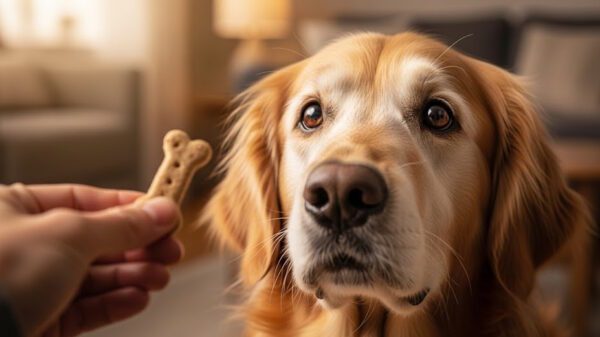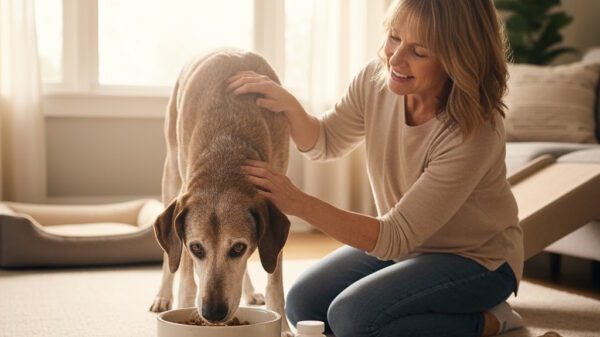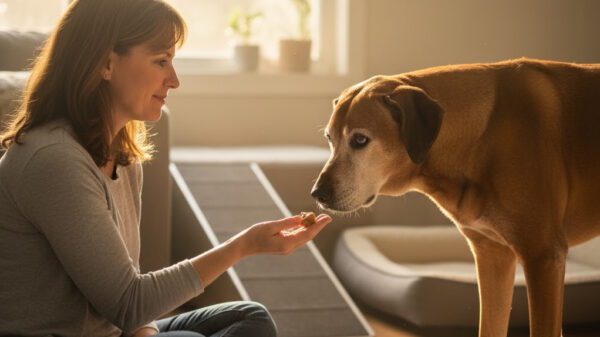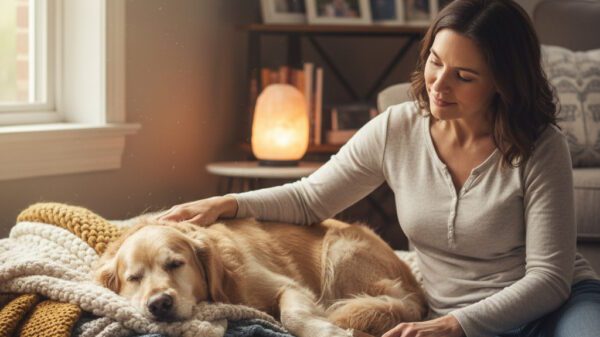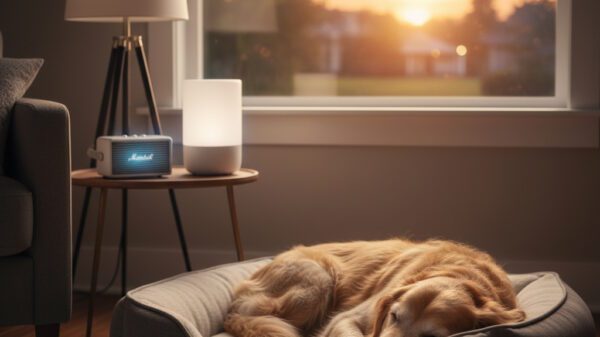
It usually starts quietly.
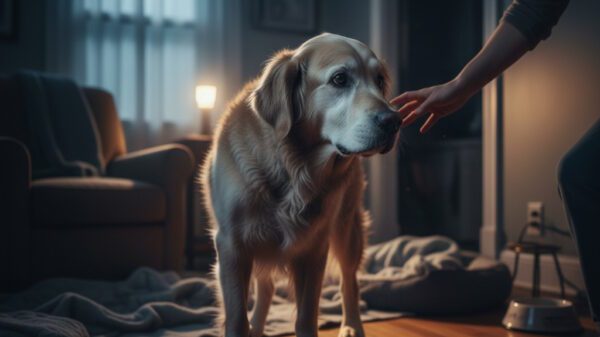
You hear movement before you’re fully awake—your dog shifting on their bed, walking slowly across the room, or standing beside the door. Sometimes there’s a small whine. Sometimes, just a steady stare in the dark.
Quick Summary
If your senior dog needs to go out every 2 hours at night, it often reflects a shorter nighttime bladder window, lighter sleep, changing evening water habits, or age-related rhythm shifts rather than a sudden breakdown in house training.
What matters most is whether the pattern is calm and predictable, or whether it suddenly looks strained, uncomfortable, or different from your dog’s usual rhythm.
You check the clock.
3:02 AM.
You take them outside. They urinate normally, sniff around the yard for a moment, and walk back inside. Within minutes, they’re asleep again.
Two hours later, the same thing happens.
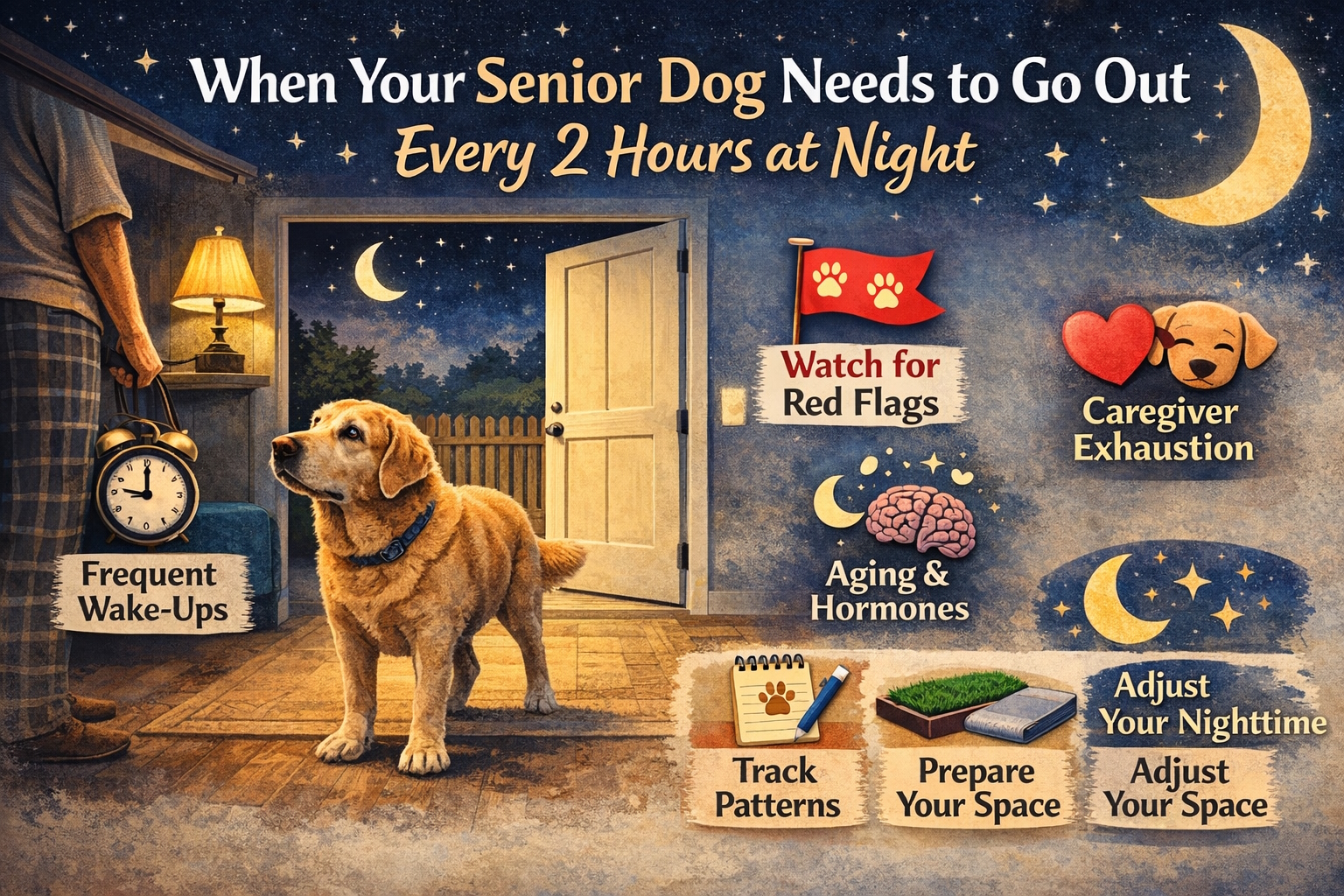
If you searched “senior dog needs to go out every 2 hours at night,” you’re probably living inside this exact routine right now. The pattern feels confusing because your dog may seem completely normal during the day. They nap, eat well, and follow their usual schedule. Only at night does the clock seem to speed up.
For many senior dogs, this stage is not a sudden malfunction. It’s the result of several small age-related changes that quietly reshape the nighttime routine.
Understanding those changes can make the cycle far less stressful—for both of you.
Senior Dog Needs Out Every 2 Hours? Start Here
Why Owners Usually Notice the Pattern Before Anyone Else
Veterinarians see snapshots of behavior during short appointments. Caregivers see the entire night unfold.
That difference matters more than most people realize.
The every-two-hours nighttime bathroom cycle often reveals itself during the quietest part of the day. There are no daytime distractions hiding the pattern. Instead, the rhythm becomes obvious over several nights.
Many owners eventually recognize something like this:
- Last bathroom trip before bed
- Wake-up around midnight or 1 AM
- Another wake-up around 3 AM
- Early morning outing before sunrise
At first, the timing feels random. Then the pattern becomes predictable enough that you start waking up before the dog even asks.
What makes the situation confusing is that daytime behavior often remains normal. The dog may still go outside every four or five hours during the day without issue. Nighttime simply exposes the limits that were already changing.
That’s why caregivers are usually the first people to recognize the shift.
What the Two-Hour Night Cycle Usually Points To
When a senior dog needs to go out every two hours at night, the explanation is often surprisingly straightforward. Most of the time, it reflects a combination of two factors: bladder capacity and sleep timing.
Neither one signals that the dog is “losing training.” Instead, both reflect natural changes that come with age.
Bladder capacity slowly changes with age
Younger adult dogs can comfortably hold urine through the entire night. As dogs grow older, that capacity often decreases slightly.
The change isn’t dramatic. It’s gradual and easy to miss during the day, when naps and activity break up the schedule. At night, however, the bladder eventually reaches its limit.
For many older dogs, that limit arrives sooner than it once did.
How Nighttime Bathroom Cycles Often Change With Age
This shift usually happens gradually. The body is still functioning normally—the schedule simply becomes shorter than it used to be.
Sleep becomes lighter and easier to interrupt
Senior dogs tend to sleep differently than they did when they were younger. Their sleep cycles become lighter and more fragmented, meaning they wake more easily during the night.
Once awake, they notice physical sensations that they might previously have slept through. Bladder pressure is one of the most common.
A younger dog might sleep six hours before waking. An older dog might wake after two or three hours and realize it’s time for a bathroom break.
Nighttime urine production may not slow down as much
During sleep, the body typically releases signals that reduce urine production, allowing animals to sleep longer without needing to urinate. One of the hormones involved in that process is sometimes called vasopressin.
As dogs age, that nighttime slowdown can weaken slightly. The body may continue producing urine at a steadier pace overnight, which means the bladder fills sooner.
It’s a subtle shift, but it’s enough to shorten the interval between nighttime bathroom trips.
Evening water habits often change
Another piece of the puzzle is evening drinking patterns. Many dogs consume a large portion of their daily water intake later in the day.
This might happen because:
- Dinner happens in the evening
- The house is quieter at night
- Medications are given with dinner
- Pain relief or supplements increase thirst
Caregivers rarely notice this pattern until nighttime wake-ups begin. Once they start watching closely, the connection often becomes easier to see.
What This Pattern Does Not Automatically Mean
When sleep deprivation sets in, it’s easy to assume the worst. A quick internet search can quickly lead to frightening possibilities.
But the two-hour nighttime bathroom cycle does not automatically mean something serious is happening.
Many senior dogs go through a stage where their nighttime schedule simply becomes shorter. The body still functions normally, but the timing changes.
Caregivers often notice reassuring signs alongside the wake-ups:
- The dog urinates normally once outside
- There is no visible discomfort during bathroom trips
- The pattern is predictable from night to night
- Daytime bathroom habits remain fairly steady
Those observations usually suggest that the body is still working as it should.
The timer has simply changed.
When the Nighttime Pattern Looks Different
Many older dogs settle into a steady nighttime rhythm: wake up, ask to go outside, urinate normally, then return to sleep. That pattern is tiring, but it is usually predictable.
Some wake-ups feel different. Caregivers often notice the difference right away, even if they cannot explain it perfectly.
- Repeated squatting with very little urine
- Dribbling while walking through the house
- Frequent licking after coming back inside
- Visible discomfort during the bathroom trip
- A sudden change from “predictable” to “restless and unusual”
Those details often matter more than the number of wake-ups by itself, because they help separate a shorter aging-related schedule from a pattern that feels newly off.
When the Nighttime Pattern Looks Different
Most older dogs who wake every few hours follow a calm and predictable routine. They wake, ask to go outside, relieve themselves normally, and return to sleep.
Occasionally, however, the pattern feels different.
Some caregivers notice behaviors such as repeated squatting with very little urine, dribbling while walking through the house, or frequent licking after returning indoors. Others notice that the dog appears uncomfortable while urinating.
These situations tend to stand out because they feel noticeably different from the steady rhythm many dogs develop.
If bathroom trips suddenly seem strained or uncomfortable rather than routine, those observations can be helpful to share during a veterinary visit. The difference between predictable aging patterns and sudden behavioral changes often tells the clearest story.
Why the Nighttime Schedule Feels So Hard on Humans
For the dog, waking every couple of hours may feel completely normal. From the caregiver’s perspective, however, the schedule can be exhausting.
Two-hour wake-ups prevent the body from reaching deep sleep for long. Even if the bathroom trip itself only takes a few minutes, it can take much longer to fall asleep again.
After several nights, the fatigue builds.
Many caregivers quietly wonder whether they are doing something wrong or whether the dog has forgotten its training. In reality, the dog is simply responding to signals from their body.
They wake up, feel pressure in their bladder, and ask for help.
The fact that they come to you instead of having an accident elsewhere is actually a sign of trust.
How Evening Routines Can Influence the Entire Night
One detail many owners discover by accident is that the last few hours before bedtime shape the overnight schedule more than expected.
When dinner, water intake, and the final bathroom trip happen close together, the bladder timeline compresses.
Consider a typical evening:
Dinner at 7:30 PM
Water shortly afterward
Last bathroom trip at 10:00 PM
That means fluid from dinner and drinking is still moving through the body as bedtime begins.
Some caregivers find that small adjustments can slightly stretch the nighttime window. Moving dinner earlier, encouraging a relaxed outdoor break later in the evening, or adding one final trip outside right before lights out can sometimes create a longer first stretch of sleep.
Even an extra hour can feel significant when you’re waking repeatedly during the night.
A Simple Bedtime Reset Routine to Try Tonight
If the nighttime bathroom cycle has become exhausting, small timing changes sometimes help more than people expect. The goal is not to create a perfect night. It is to make the first stretch of sleep a little longer and the wake-ups a little easier.
- Move dinner a little earlier if your current schedule is late.
- Give your dog a calm bathroom break well before you get sleepy.
- Offer one final, quiet outing right before lights-out.
- Keep the route simple: leash ready, shoes ready, path to the door clear.
- Use low lighting so both of you can settle faster after coming back inside.
Even a small shift in timing can change the whole feel of the night.
Practical Adjustments Caregivers Often Make
When the senior dog’s every-two-hours-at-night routine becomes consistent, many households adapt their environment instead of trying to force the dog back to an earlier schedule.
These adjustments are usually simple but surprisingly helpful.
Simplifying the nighttime routine
Many owners prepare for nighttime outings before going to bed. Keeping a leash by the door, placing shoes nearby, or choosing a quick path to the yard reduces the amount of time spent fully awake.
A faster routine makes it easier to fall asleep again afterward.
Using gentle lighting
Motion-sensor lights or dim hallway lights allow the caregiver to move through the house without turning on bright overhead lighting. Less light helps both humans and dogs fall back asleep more quickly.
Preparing for occasional accidents
Some households protect sleeping areas with waterproof mattress covers or washable bedding during this stage. Removing the fear of a late-night accident can lower stress for everyone.
Considering indoor backup options
In certain situations—especially for dogs with mobility challenges—some caregivers keep an indoor grass patch or turf tray available overnight. While this isn’t ideal for every dog, it can reduce the number of outdoor trips during particularly difficult nights.
These adjustments don’t mean you’ve given up on routines. They simply make the routine more manageable.
When the Wake-Ups Aren’t Only About the Bathroom
Sometimes the pattern begins with bathroom trips, but gradually changes.
Owners might notice their dog waking and wandering around the house without needing to urinate immediately. The dog may pause in doorways, stare down hallways, or pace briefly before settling again. In situations like this, some caregivers find it helpful to track when nighttime confusion tends to appear, because patterns often become clearer when you can see several nights side by side.
In older dogs, this can sometimes reflect nighttime disorientation rather than bladder pressure. Some caregivers describe it as their dog seeming briefly unsure of where they are.
When this happens, wake-ups may become less predictable. The dog may ask to go outside some nights, but simply wander on others.
Observations like these can be helpful to share during routine veterinary visits, especially if the nighttime pattern begins changing in noticeable ways.
Which Patterns Are Worth Paying Attention To
One unusual night rarely means much. Consistent patterns, however, can reveal useful information over time.
Caregivers often find it helpful to notice:
- Whether the dog empties their bladder fully outside
- Whether daytime bathroom habits are changing
- Whether thirst has increased dramatically
- Whether accidents occur soon after returning indoors
These details create a clearer picture than a single statement like “my dog keeps waking me up.”
Your observations as the caregiver often provide the most valuable insight.
What to Quietly Track for a Few Nights
If this pattern has become frequent, it helps to notice the rhythm rather than focus on one bad night.
- What time the first wake-up usually happens
- Whether your dog urinates a normal amount each trip
- Whether your dog also seems thirstier than usual during the day
- Whether the wake-ups are calm and direct or restless and confused
- Whether accidents happen after a recent outdoor trip or only after long stretches
Patterns are usually more useful than isolated moments, especially when you are trying to decide whether the schedule has truly changed.
The Emotional Reality of the 3 AM Stage
Few articles talk about how difficult this stage can feel.
Night after night of interrupted sleep wears people down. Caregivers sometimes worry that feeling frustrated means they are failing their dog.
But exhaustion and compassion can coexist.
You can care deeply for your dog while still wishing you could sleep through the night again.
Many people who share their lives with senior dogs eventually experience some version of this stage. The wake-ups are not a sign that your dog is being difficult or stubborn.
They are simply asking for help when their body wakes them.
And the fact that they come to you—quietly, patiently, trusting you to respond—is its own kind of bond.
Tools That Can Help You Understand the Nighttime Pattern
When sleep is interrupted night after night, it can be surprisingly difficult to see patterns clearly. A few simple tracking tools can make it easier to understand what your dog may be experiencing during this stage.
-
Canine Arthritis Forecast – The Joint Pain Index
Weather and pressure changes sometimes affect mobility in older dogs. Tracking joint comfort patterns can help explain restless nights or frequent wake-ups. -
Dog Pain Symptom Checker
Some nighttime wake-ups are related to discomfort rather than bladder pressure. This tool helps caregivers think through subtle behavior changes. -
Dog Dementia Sundown Tracker
If your dog wakes and wanders before needing the bathroom, tracking when nighttime confusion appears can reveal patterns across several evenings.
These tools don’t replace careful observation. They simply make it easier to see the bigger picture when the nights start blending together.
Caregiver Reality
You can feel grateful your dog still asks to go outside and still feel worn down by the interrupted sleep.
Those two things can be true at the same time. Feeling tired does not make you impatient, cold, or less devoted. It makes you human.
Nighttime Bathroom Cycle FAQ
It can be. Many older dogs develop a shorter nighttime bathroom window because their sleep becomes lighter, their bladder comfort limit changes, or their evening rhythm shifts. What matters most is whether the pattern is calm and predictable or suddenly unusual.
Daytime activity, shorter naps, and regular outdoor trips can hide a changing bladder schedule. At night, the body has to make it through longer stretches, so the shift becomes much easier to notice.
Usually no. In many cases, the dog is still trying to do the right thing by waking you up and asking to go outside. The schedule has changed, but the communication is still there.
Most caregivers get better results from watching timing patterns than from making abrupt changes. Evening rhythm often matters, but the more useful question is usually when drinking happens and how it lines up with dinner, medication, and the final outdoor trip.
It becomes more useful to track when the wake-ups are happening every night, moving earlier, looking more restless, or starting to include accidents between trips. The pattern over several nights usually tells more than one difficult evening.
What often changes next if nothing about the routine changes
In many households, the nighttime pattern does not stay exactly the same. The first wake-up often begins creeping earlier, or the dog starts having an occasional accident between trips because the comfortable window has grown smaller.
That shift does not always mean something dramatic has happened. Often it simply means the old routine no longer matches the dog’s current rhythm. This is usually the stage when caregivers begin simplifying the path to the door, protecting bedding, or adjusting evening timing more deliberately.
If Your Senior Dog Needs to Go Out Every Two Hours at Night
When a senior dog needs to go out every two hours at night, the cause is usually not a single dramatic problem.
More often, it reflects the quiet changes that come with aging. Bladder capacity becomes smaller, sleep becomes lighter, nighttime urine production shifts slightly, and evening routines begin to matter more than they once did.
Over time, caregivers adapt.
Some adjust the bedtime routine. Others make small changes to the house to make nighttime outings easier. Many simply accept that their dog’s internal clock has shifted.
None of those responses means you are overreacting or doing something wrong.
In fact, they show exactly the opposite.
They show that you’re paying attention—and for an aging dog who relies on you in the quiet hours of the night, that attention is one of the most important forms of care you can give.