Collagen for Senior Dogs
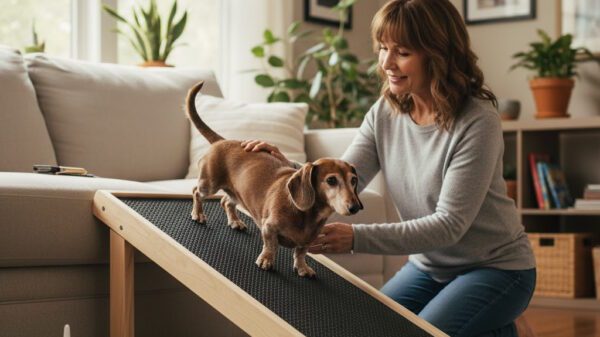
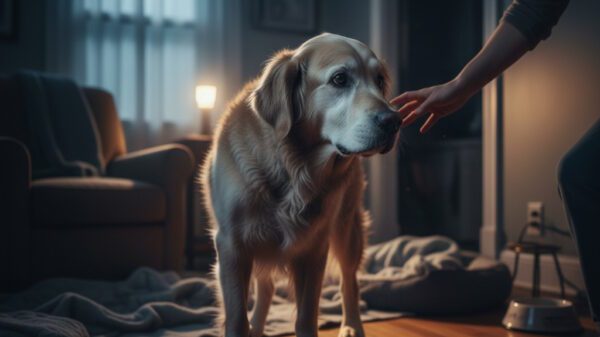
There’s a quiet dignity to a senior dog. The graying muzzle, the slower gait, the contented sighs from their favorite bed—each is a testament to a life well-loved. As their caregiver, you notice the subtle shifts: the hesitation before jumping on the couch, the slight stiffness after a long nap, or a coat that’s lost some of its youthful luster. It’s a natural part of aging, but it leaves us wondering: what can we do to support them and make their golden years as comfortable as possible?
In the world of canine wellness, one supplement has been gaining significant attention for its remarkable benefits, especially for older pets: collagen. We hear about it for human skincare and joint health, but what role can it play in our dogs’ care? Is it just another trend, or is it a genuinely powerful tool for improving their quality of life?
This article dives right into the science and practical benefits of collagen for senior dogs. We’ll explore what it is, how it helps combat common aging-related ailments, and how to choose a high-quality product to help your loyal companion feel and move their best.
📚 Peer-reviewed evidence (dogs, OA):
Dobenecker et al., 2024 (PLOS ONE) ran a 12-week, placebo-controlled, double-blind field study in
31 dogs with naturally occurring osteoarthritis. Compared with an active control (omega-3 + vitamin E),
oral Bioactive Collagen Peptides (BCP) produced a significant improvement in force-plate kinetic
parameters (objective gait analysis) and better Canine Brief Pain Inventory (CBPI) quality-of-life scores;
accelerometry was unchanged.
Read the study (PLOS ONE, Sept 19 2024).
Why this matters: Objective force-plate improvements + better owner-reported QoL support real-world benefit for seniors with OA.
“For senior dogs, the loss of cartilage isn’t just about mobility — it’s about preserving independence. Collagen peptides can help slow that decline by supporting the body’s natural cartilage matrix.”
— Editor’s Insight, GoldenPawsCare Veterinary Team
In This Guide
What is Collagen and Why is it a Big Deal?
Think of collagen as the body’s essential scaffolding. It’s the most abundant protein in both the human and canine body, acting like a “glue” that provides strength, structure, and elasticity to virtually every part of them. It is a vital component of:
- Joints and Cartilage: Maintaining smooth and pain-free movements.
- Skin and Coat: Providing hydration and strength.
- Bones, Tendons, and Ligaments: Forming the body’s structural framework.
- Gut Lining: Maintaining digestive health.
“For senior dogs, the loss of cartilage isn’t just about mobility — it’s about preserving independence. Collagen peptides can help slow that decline by supporting the body’s natural cartilage matrix.”
— Dr. Robin Downing, DVM, MS, CCRP, Founder, Downing Center for Animal Pain Management
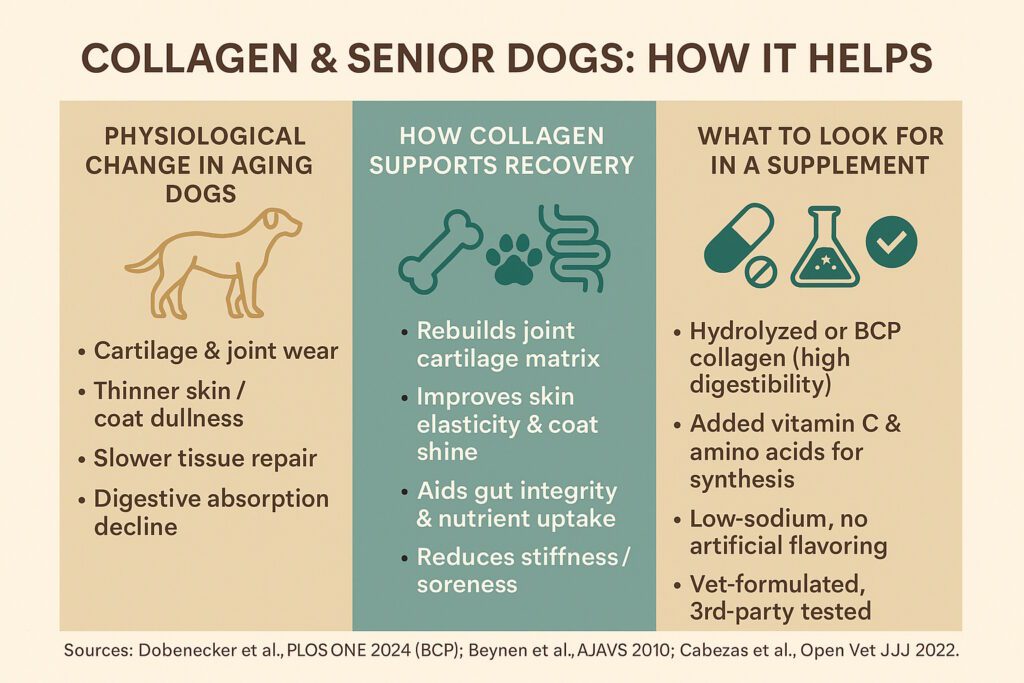
Just like with humans, a dog’s natural ability to produce collagen begins to decline as they age. This slowdown is a primary reason we start to see the classic signs of aging. The cartilage in their joints becomes thinner and less resilient, their skin loses elasticity, and their coat can become dry and brittle. Supplementing with collagen isn’t about stopping the clock; rather, it replenishes the body’s dwindling supply of this critical protein to help manage and mitigate age-related changes.
📚 Randomized, double-blind, placebo-controlled (dogs):
Beynen et al., 2010 (Am. J. Animal & Veterinary Sciences):
30 dogs (15/group), 8 weeks, received 10 g/day gelatin hydrolysate (collagen) mixed into diet vs soya placebo.
Result: significant improvements in activity (vitality), stiffness, and lameness vs placebo; pain trended better.
Authors suggest ~2.5% inclusion in dry food as a practical dose signal.
Read the RCT (PDF)
Why this matters: Provides an actual dose reference (10 g/day) and symptom outcomes to discuss with your vet.
The Top 4 Benefits of Collagen for Senior Dogs
When you introduce a high-quality collagen supplement into your senior dog’s diet, you’re providing the raw materials their body needs to repair and maintain itself. Here are the four most significant benefits you may see.
1. Soothes and Supports Aging Joints
This is, without a doubt, the most celebrated benefit of collagen for senior dogs. Arthritis and joint pain are incredibly common in older canines. The cartilage that cushions their joints is made up largely of Type II collagen. As production wanes, this cartilage wears down, leading to inflammation, stiffness, and pain.
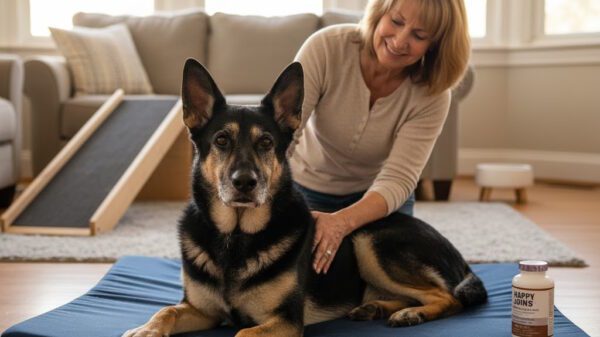
Studies have shown that supplementing with hydrolyzed collagen peptides can directly support joint health. These easily digestible proteins can stimulate the growth of new cartilage, reduce joint inflammation, and significantly reduce pain. For your dog, this can mean easier movement, a greater willingness to go for walks, less difficulty getting up and down, and a visible improvement in their overall comfort and mobility.
2. Promotes Healthy Skin and a Lustrous Coat
Is your senior dog suffering from dry, flaky skin, hot spots, or a dull, shedding coat? Collagen could be the answer. The dermis, the skin’s thickest layer, is composed of over 70% collagen. This protein provides the structure and hydration that keeps skin firm and elastic.
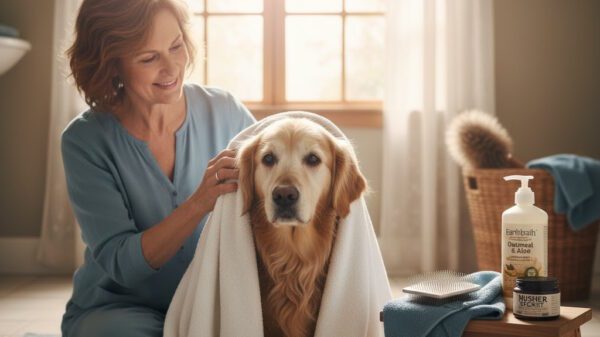
By replenishing collagen levels, you can help improve skin hydration from the inside out, potentially reducing itchiness and supporting the healing of skin irritations. This also has a direct impact on their fur, as healthy skin grows healthier hair follicles. Many owners report that their dogs’ coats become softer, shinier, and shed less after starting a collagen supplement.
3. Aids in Digestive Health
A lesser-known yet crucial benefit of collagen is its support for the digestive system. The vast lining of the gastrointestinal tract is made of connective tissue that relies on collagen for its integrity. Key amino acids in collagen, particularly glycine, are essential for repairing and strengthening this lining.
For senior dogs with sensitive stomachs or conditions like “leaky gut” (where the intestinal lining becomes overly permeable), collagen can be incredibly soothing. It helps seal the gut’s protective lining, which can improve nutrient absorption and reduce digestive upset.
📚 Long-term clinical study (dogs with DJD):
Open Veterinary Journal, 2022 (Cabezas et al.) followed 110 client-owned dogs with degenerative joint disease given
UC-II® (undenatured type-II collagen) for 6 months. Monthly veterinarian & owner assessments reported
improvements in mobility and lameness over time.
Read the study (Open Vet J., 2022)
Notes: UC-II® uses an oral tolerance mechanism (different from hydrolysates). Narrative & scoping reviews (2024–2025) summarize canine data and call for standardized dosing but report reductions in lameness across studies. Review (2025): Collagen hydrolysates in canine OA
4. Supports Bone Density and Muscle Mass
Aging dogs are susceptible to losing both bone density and lean muscle mass, a condition known as sarcopenia. Collagen provides the structural matrix for bones, and its rich amino acid profile (such as glycine and proline) is crucial for synthesizing the proteins needed to maintain muscle tissue.
While it’s not a replacement for gentle exercise, adding collagen to senior dogs’ diets can help support their musculoskeletal system, improving strength and stability in their later years.
Tip: Always confirm supplement type and dose with your veterinarian—hydrolyzed vs. UC-II® act differently.
🐾 Trusted Collagen Support for Senior Dogs
Vet-friendly options chosen for ingredient transparency, third-party testing, and senior-safe formulations.
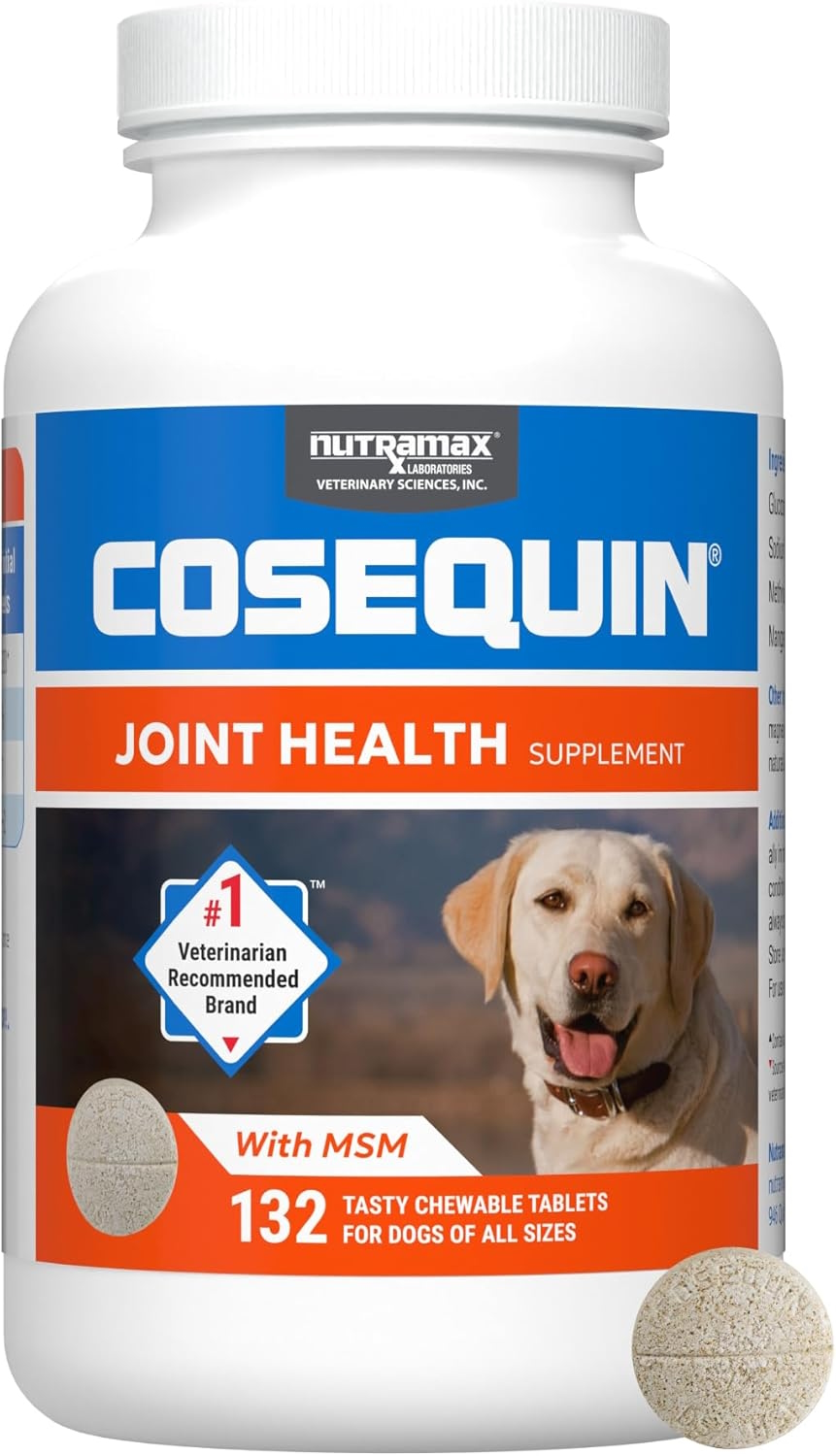
Cosequin® Maximum Strength + MSM
Combines collagen precursors with glucosamine & chondroitin to maintain joint cushion and flexibility in seniors.
🛒 Check Price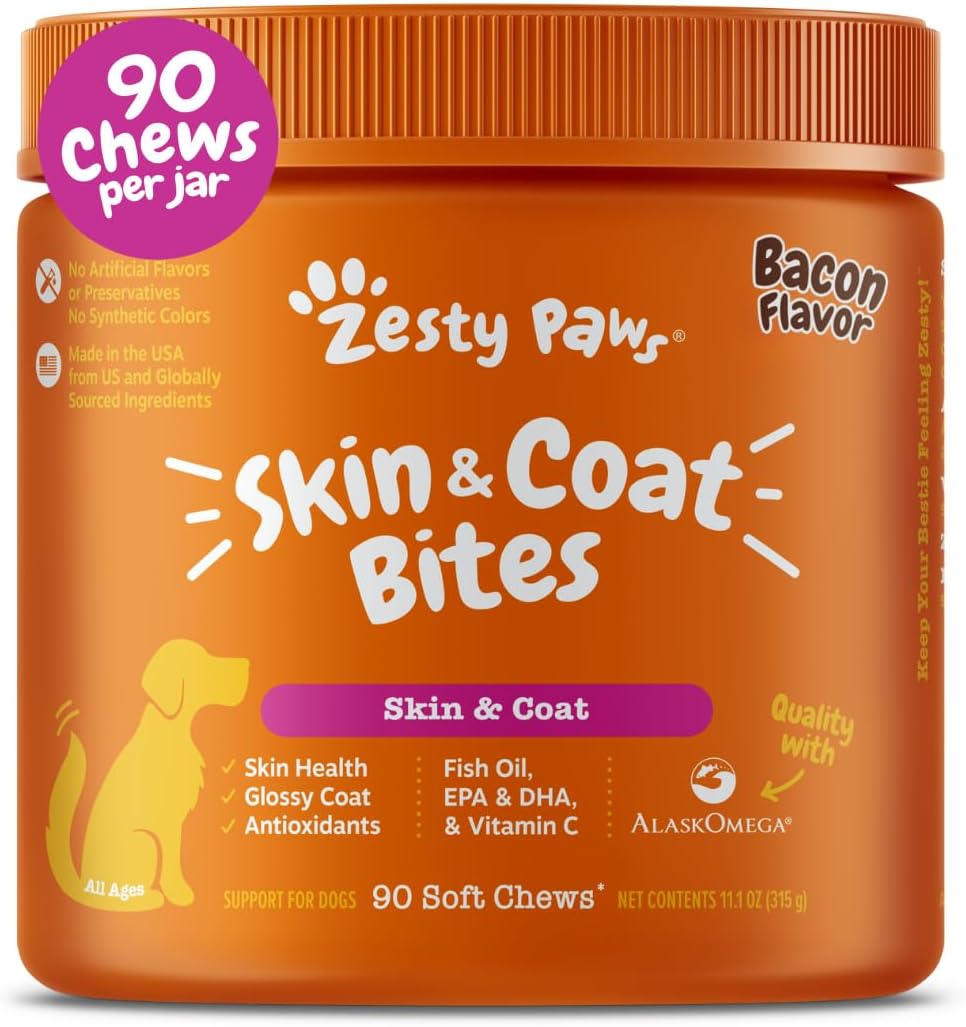
Zesty Paws® Collagen Skin & Coat Bites
Hydrolyzed marine collagen with vitamin C & biotin for elasticity, hydration, and healthy coat sheen.
🛒 Check Price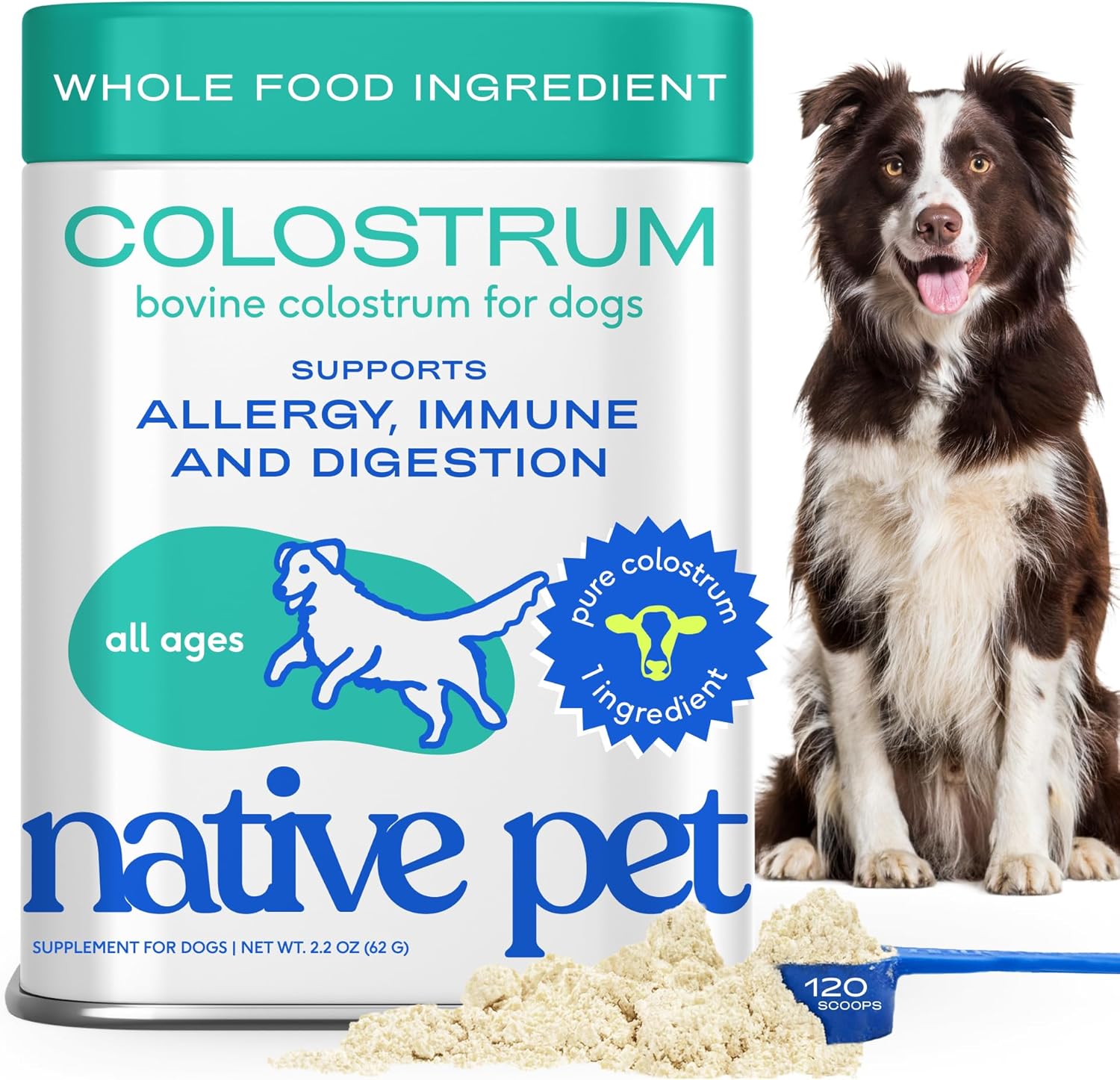
Native Pet® Collagen Powder
Simple bovine collagen peptides that mix easily with food — great for sensitive stomachs.
🛒 Check PriceDisclosure: As an Amazon Associate, GoldenPawsCare earns from qualifying purchases—at no extra cost to you.
How to Choose the Best Collagen for Your Dog
Navigating the supplement aisle can be overwhelming. When selecting a collagen product for your dog, focus on quality and simplicity over flashy marketing.
- Choose Hydrolyzed Collagen Peptides: This is the most important factor. “Hydrolyzed” means the collagen protein has been broken down into smaller, highly digestible and bioavailable molecules called peptides. This ensures your dog can effectively absorb and utilize it.
- Consider the Source: Collagen is typically sourced from cows (bovine), chickens, or fish (marine).
- Bovine Collagen: Often sourced from grass-fed sources, it’s rich in Type I and III collagen, making it an excellent choice for skin, bone, and overall support.
- Chicken Collagen: The best source of Type II collagen, making it a fantastic choice if your primary concern is joint and cartilage health.
- Marine Collagen: Highly bioavailable and rich in Type I collagen, great for skin and coat health.
- Look for a Clean, Simple Formula: The best products contain one ingredient: 100% hydrolyzed collagen peptides. Avoid products with added sugars, fillers, artificial flavors, or preservatives. Always opt for a product specifically formulated for pets to ensure its safety and purity.
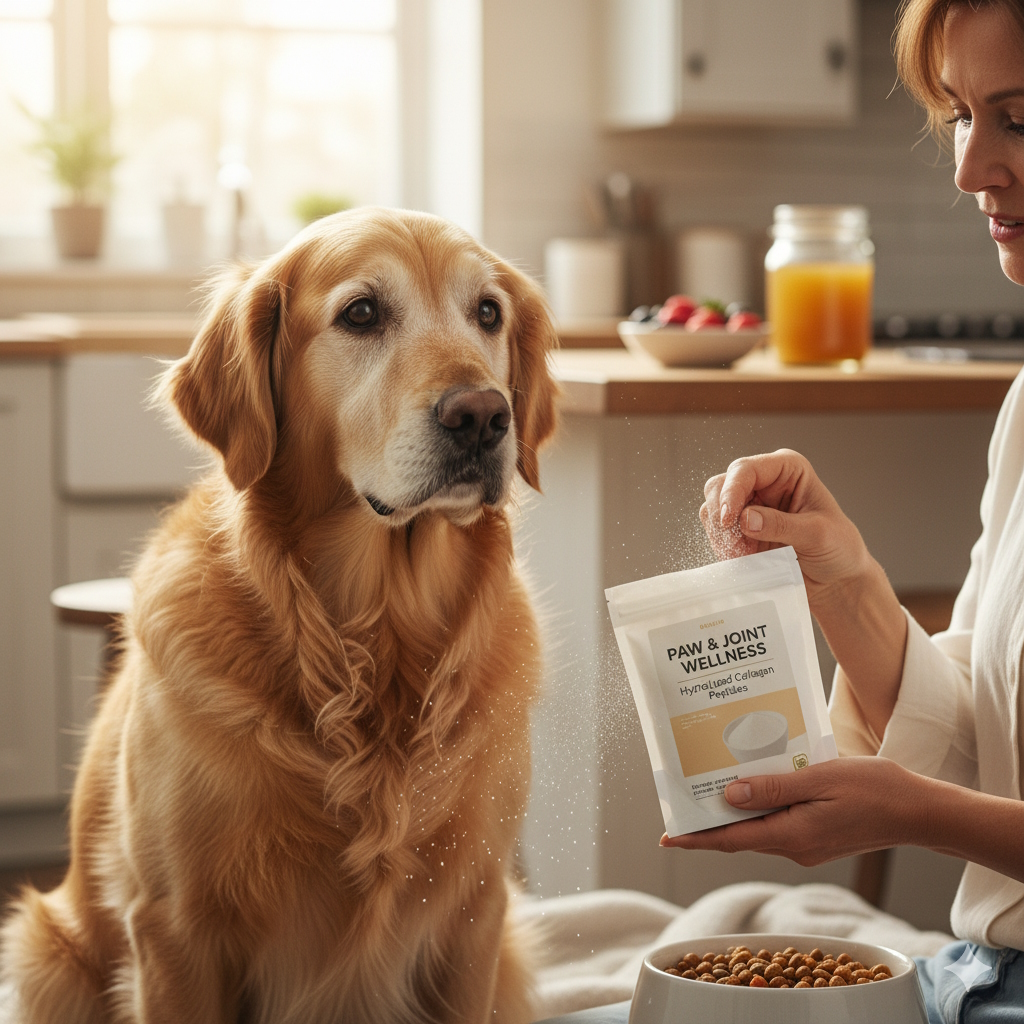
Collagen for dogs typically comes in a tasteless and odorless powder that is incredibly easy to administer. Sprinkle the recommended dose over their food once a day. It mixes in easily, and even the pickiest eaters rarely notice it’s there.
🐾 Collagen for Senior Dogs – FAQ
Tap or click a question below to view the answer.
How long does it take to see results from collagen supplements?
Most studies show measurable improvements in mobility and stiffness within 6–12 weeks of daily supplementation. However, seniors with advanced arthritis may take longer. Consistency and proper dosing are key.
Can I give human collagen powder to my senior dog?
Not recommended. Human products often contain flavoring agents, xylitol, or added sodium that may be unsafe for dogs. Always use veterinary-formulated hydrolyzed collagen or UC-II® products labeled for pets.
What type of collagen works best for joint support?
For joints, hydrolyzed collagen peptides (BCP) and undenatured type II (UC-II®) have the best canine data. Hydrolyzed peptides supply amino acids to rebuild cartilage, while UC-II® helps modulate joint inflammation through immune tolerance.
Are there side effects of collagen supplements in older dogs?
Collagen is generally well tolerated. Mild digestive upset can occur if introduced abruptly. Start with half the suggested dose for 3–5 days. Veterinary supervision is recommended for dogs with liver, kidney, or endocrine disease.
Can collagen replace glucosamine or chondroitin?
No — collagen and glucosamine/chondroitin complement each other. Collagen supports the matrix (scaffold) of cartilage, while glucosamine and chondroitin supply the building blocks of joint fluid. Using them together may improve outcomes.
Disclaimer: The information above is for educational purposes and not a substitute for professional veterinary care. Always consult your vet before adding new supplements to your senior dog’s regimen.
The Verdict: A Proactive Act of Love
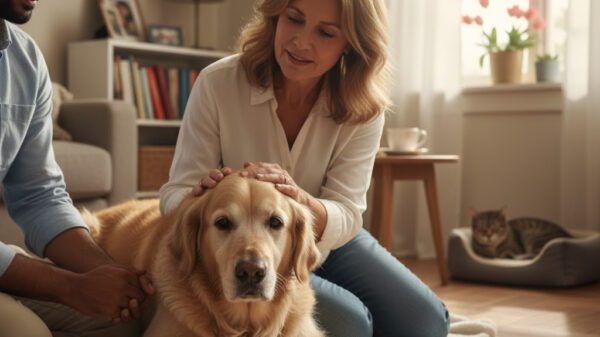
So, do senior dogs need collagen? While it may not be an essential nutrient like a vitamin or mineral, the evidence strongly suggests it is an incredibly beneficial supplement for addressing the most common challenges of aging.
“Collagen isn’t a miracle powder — but for senior dogs, it’s often one of the most overlooked wellness tools. When paired with a balanced diet and movement, it helps older dogs feel more like themselves again.”
— Editor’s Note, GoldenPawsCare Editorial Team
By supporting their joints, skin, gut, and muscles, you are proactively improving their comfort and quality of life. Adding collagen to their daily routine is a simple, safe, and effective way to give back to the friend who has given you a lifetime of love and loyalty.