Senior Dog Hydration
Of all the special dietary needs we meticulously manage for our senior dogs—from joint supplements to lower-calorie foods—the most vital nutrient is often the one that is most overlooked: water. We assume they’ll drink when they’re thirsty, just as they always have. But for an aging dog, the simple act of staying hydrated can become a complex challenge. Their natural thirst drive may diminish, mobility issues can turn a trip to the water bowl into a daunting task, and underlying health conditions can increase their need for fluids.
Dehydration in a senior dog isn’t a minor issue; it’s a silent stressor that can affect everything from kidney function to cognitive clarity. Ensuring they drink enough is one of the most important, proactive steps we can take to support their health and comfort in their golden years. This guide is a collection of practical and compassionate strategies to help you encourage your cherished companion to drink more, ensuring they receive the life-sustaining hydration they so desperately need.
Did you know? Studies show that dehydration risk increases by nearly 25 % in dogs over age 10, largely due to slower kidney response and reduced thirst drive ( Polzin D.J., JAVMA, 2018).
📚 Reference: Age-related decline in water intake is associated with reduced thirst perception and slower kidney response to dehydration. Older dogs may not compensate quickly after fluid loss, increasing the risk of chronic mild dehydration. ( Finco D.R. et al., American Journal of Veterinary Research, 2012)
In This Guide
The Critical Role of Hydration in Senior Dogs
Water is the essential solvent for all life, and its importance is magnified in an aging body. For senior dogs, proper hydration is fundamental to the healthy function of nearly every system.
💧 Underlying Health Issues vs. Routine Hydration
Not all thirst changes in senior dogs mean the same thing. Here’s how to tell whether you’re seeing a normal, age-related hydration shift — or a warning sign that needs a vet’s attention.
🏠 Routine Hydration Needs
- Reduced thirst reflex due to aging
- Warmer indoor air or drier climate
- Diet change (switching from wet to dry food)
- Mild activity decrease leading to lower intake
- Normal overnight concentration of urine
🚨 Signs of Underlying Health Issues
- Persistent or excessive drinking and urination
- Sudden refusal to drink or eat
- Vomiting, diarrhea, or lethargy
- Strong-smelling or dark urine
- Weight loss, panting, or confusion
⚕️ If any signs in the right column appear, contact your veterinarian — they may indicate kidney disease, diabetes, or another metabolic condition.
- Kidney and Organ Function: The kidneys filter waste products from the blood. As dogs age, their kidney function often becomes less efficient. Ample water intake is crucial for helping these aging organs flush out toxins effectively, thereby reducing the risk of urinary tract infections and slowing the progression of chronic kidney disease.
- Joint Health: The synovial fluid that lubricates and cushions your dog’s joints is composed primarily of water. For a dog with arthritis, staying well-hydrated can help maintain joint fluid, potentially easing the painful friction between bones and improving mobility.
- Digestion and Nutrient Absorption: Water is essential for breaking down food and for nutrient absorption. Seniors often have more sensitive digestive systems, and dehydration can lead to constipation and other issues, preventing them from getting the full benefit of their carefully chosen diet.
- Temperature Regulation: Dogs regulate their body temperature primarily through panting, which cools them by evaporating moisture from their respiratory system. A dehydrated dog cannot pant as efficiently, which significantly increases their risk of overheating, especially in warmer weather.
- Cognitive Function: Even mild dehydration can lead to lethargy, disorientation, and a worsening of symptoms associated with Canine Cognitive Dysfunction (CDS), or “doggy dementia.” A well-hydrated brain is a clearer brain.
📚 Reference: Senior dogs experience reduced renal concentrating ability and slower antidiuretic hormone response, which can lead to both excessive water loss and poor hydration maintenance. Regular monitoring of water intake and urine output is essential for early kidney-care detection. ( Polzin D.J., Journal of the American Veterinary Medical Association, 2018)
How Much Water → What Changes It → Practical Fixes
| Baseline Need | Factors That Change It | Practical Fixes for Seniors |
|---|---|---|
|
~50–60 ml/kg/day (≈ 0.5–1.0 oz per lb/day) as a general guide |
Age-related thirst decline; low activity; cooler weather | Multiple water stations; wide bowls at shoulder height; refresh 2–3×/day; gentle reminders after walks/meals |
| Same baseline, but effective need rises | Dry kibble (low moisture); heated/AC air; panting | Add moisture: 1–3 Tbsp warm water or low-sodium broth per meal; partial wet food; hydration toppers; pet fountain |
| Monitor closely; vet-guided targets may differ | CKD/renal aging, diabetes, Cushing’s, diuretics, steroids | Track intake/urine output; offer moist diets; flavor water (vet-approved); discuss sub-Q fluids or electrolytes with your vet |
| Baseline + small bump for losses | Vomiting/diarrhea; hot weather; post-exercise | Short, frequent sips; broths/ice chips; shaded cool-downs; call vet if signs persist >24h or lethargy appears |
| Baseline, but accessibility-limited | Arthritis, vision/cognitive decline, slippery floors | Non-slip runners; bowls in every living zone; raised/no-whisker-stress bowls; nighttime path lights |
| Baseline, individualized | Taste fatigue or “picky drinking” | Rotate bowl materials; refresh water temp; tiny broth splash; add moisture-rich foods (pumpkin, wet food) as tolerated |
Note: The 50–60 ml/kg/day guideline is a general reference; individual needs vary. If thirst/urination change abruptly, consult your veterinarian.
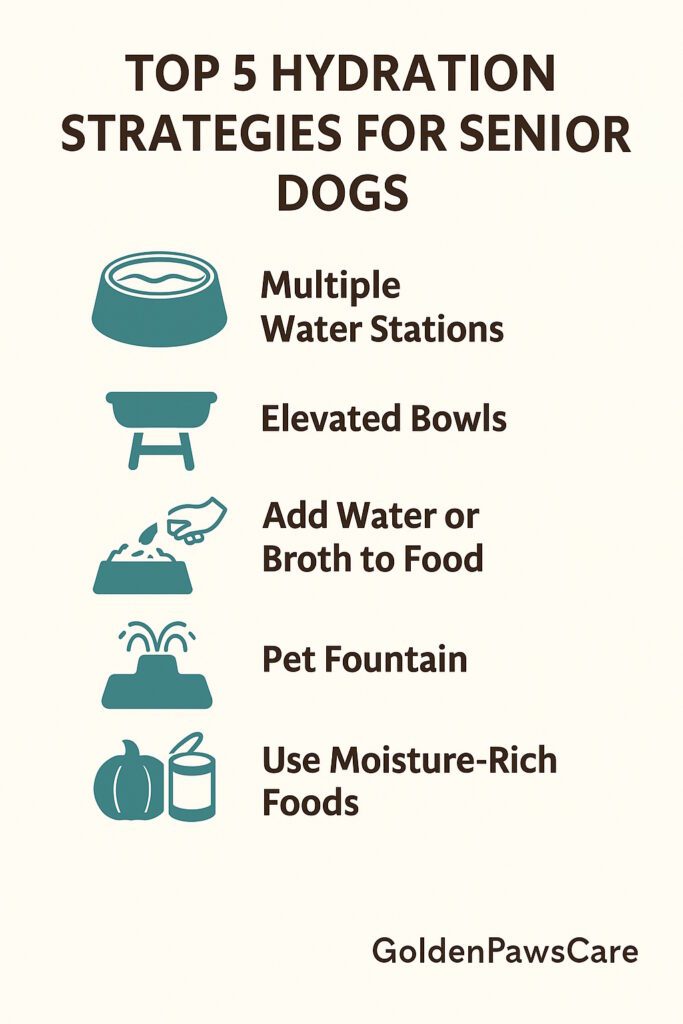
💧 Hydration Tools & Bowls Recommended for Senior Dogs
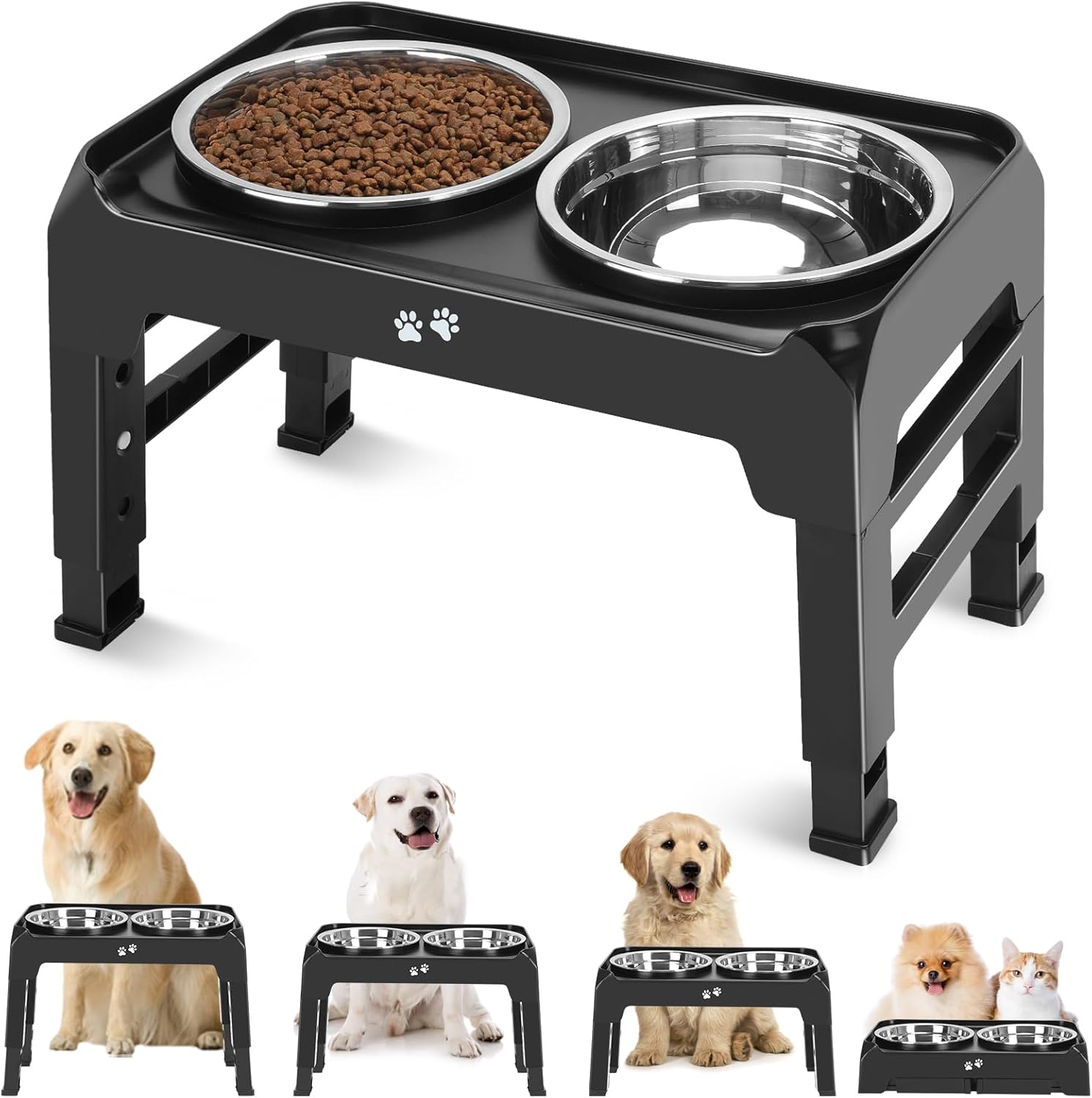
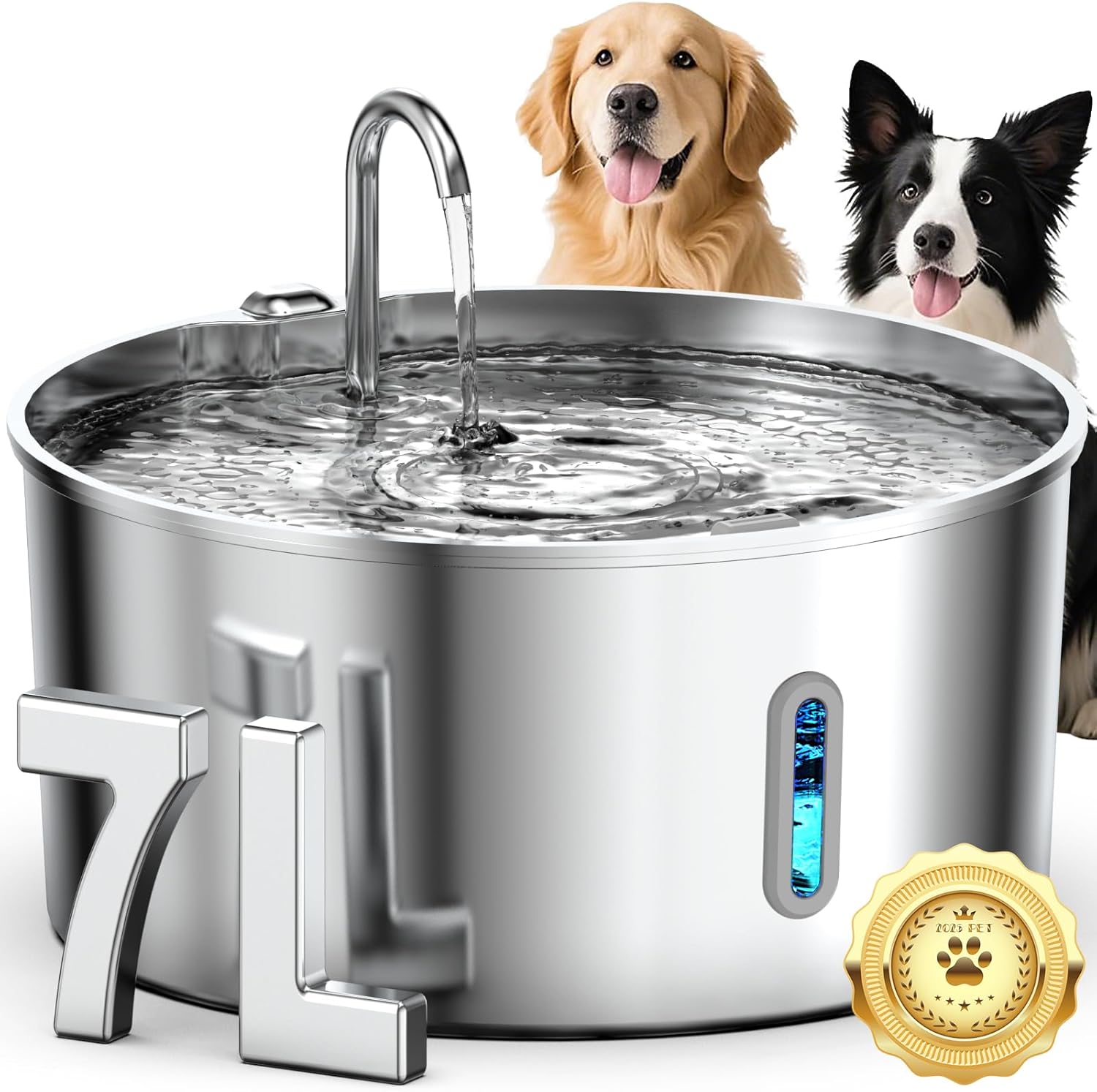
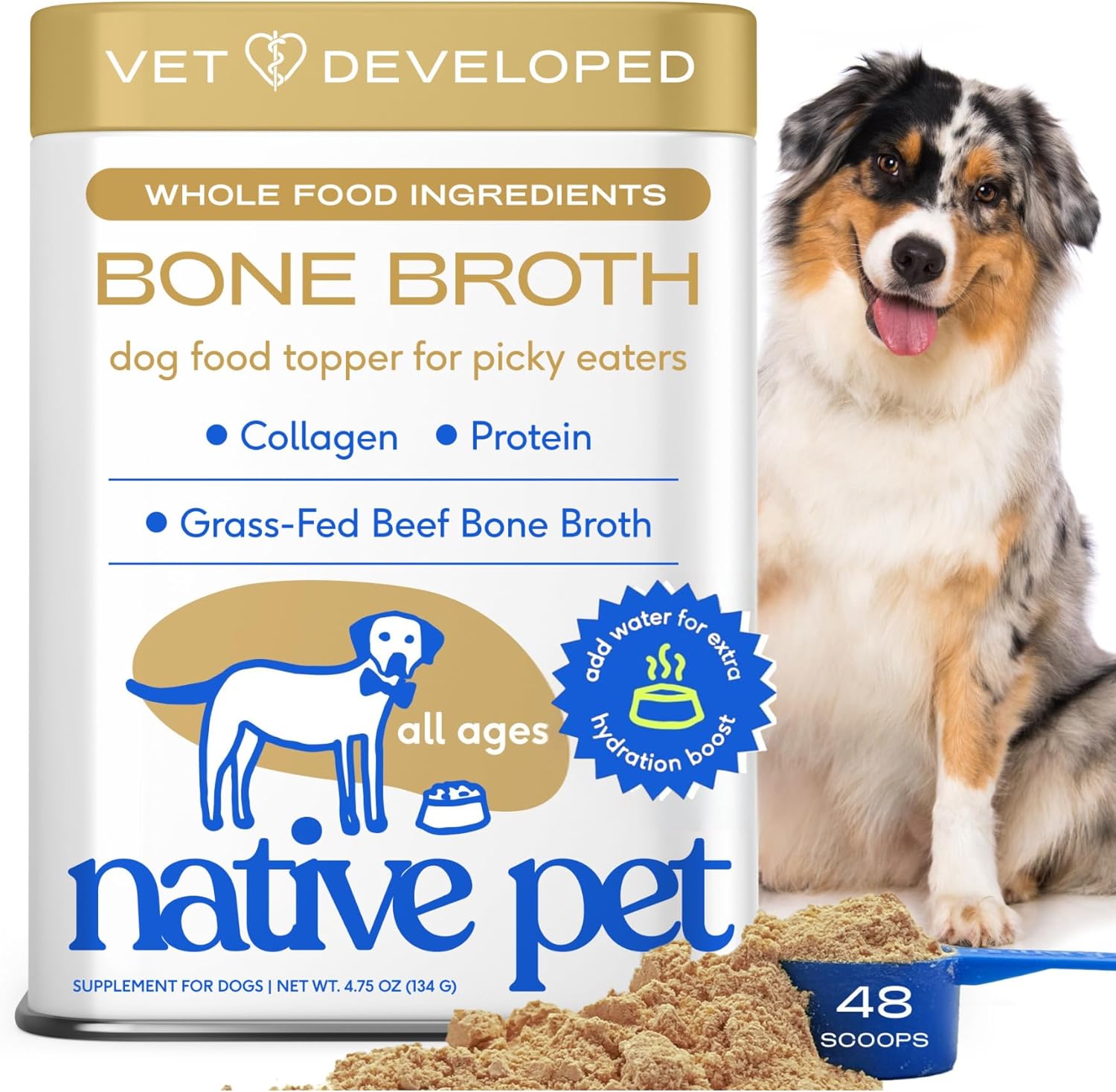
Make drinking easier and more appealing with senior-friendly gear. These picks support comfort, reduce spill risk, and encourage steady intake throughout the day.
As an Amazon Associate, we may earn a small commission at no extra cost to you.
Recognizing the Subtle Signs of Dehydration
The key to preventing a serious problem is to catch it early. By the time a dog appears obviously thirsty, they are already dehydrated. Learn to recognize these subtle signs:
- The Skin Turgor Test: Gently pinch a small area of skin on your dog’s back, between their shoulder blades, and lift it. In a well-hydrated dog, the skin will snap back into place almost instantly. If it returns slowly or remains tender, it’s a clear sign of dehydration.
- Check Their Gums: A healthy dog’s gums should be slick, moist, and pink. Gently press a finger against their gum; the spot should turn white and then quickly return to its normal pink color. In a dehydrated dog, the gums will feel tacky or dry to the touch.
- Other Indicators: Look for thick, ropy saliva, sunken or dull-looking eyes, a dry nose, and concentrated, dark yellow urine. Lethargy and a sudden loss of interest in activity are also common signs.
📚 Reference: Clinical signs of dehydration — such as delayed skin tenting, dry mucous membranes, and tacky gums — can appear at fluid deficits as low as 5 % body weight. Senior dogs often mask these signs due to reduced skin elasticity and saliva production. ( Today’s Veterinary Practice – Hydration Assessment in Small Animals)
Practical Strategies to Increase Water Intake
The secret to keeping a senior dog hydrated is to make drinking as easy, accessible, and appealing as possible.
Enhance the Water Itself
- Add a Flavor Boost: A plain bowl of water might become boring. Make it irresistible by adding a splash of something tasty. Low-sodium chicken, beef, or bone broth is an excellent choice. You can also add a spoonful of the water from a can of tuna (packed in water, not oil) or even a bit of goat’s milk.
- Offer “Crunchy Water”: Many dogs love the texture and coolness of ice cubes. Offer them as a treat, or drop a few into their water bowl to keep it cool and interesting. You can also freeze low-sodium broth in an ice cube tray for a flavorful, hydrating snack.
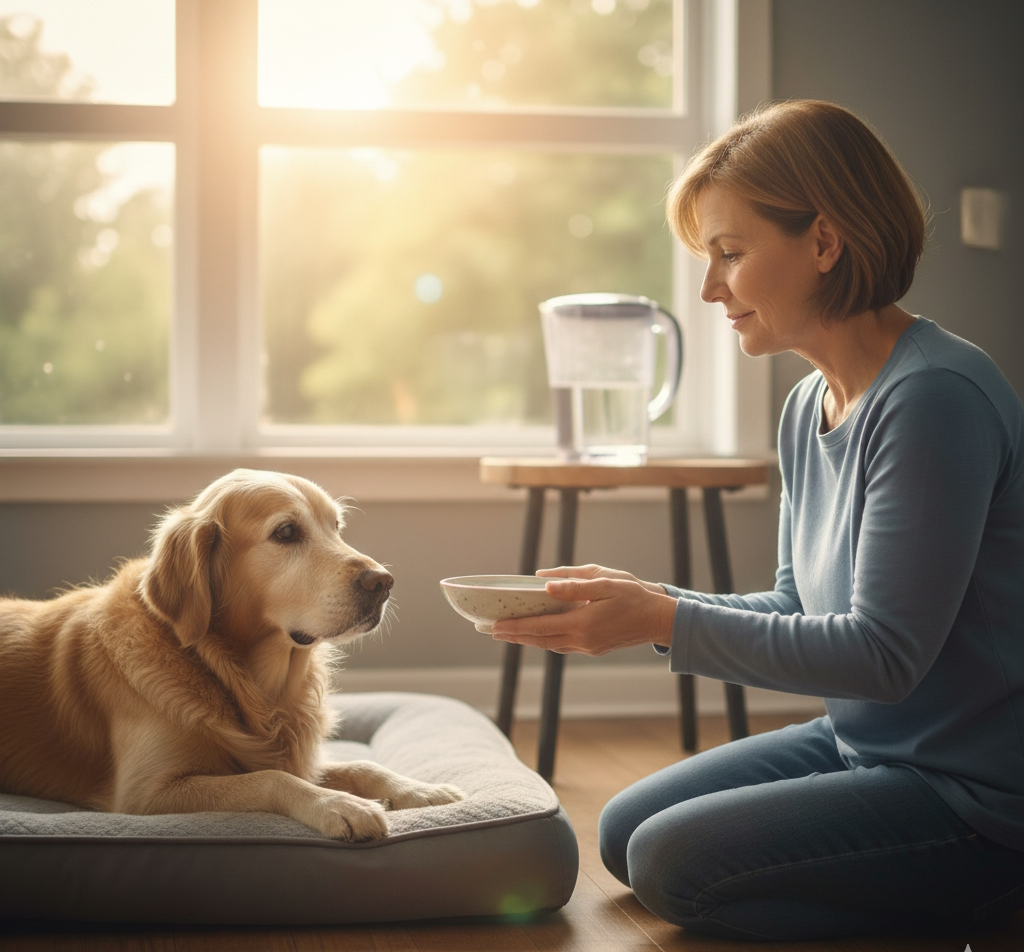
- Experiment with Temperature: Just as people do, some dogs have a preference for certain temperatures. Try offering cool, fresh water from the fridge or filtered water at room temperature to see which one is more appealing.
🐾 Continue Helping Your Senior Dog Thrive
Keep learning with these trusted GoldenPawsCare resources that complement healthy hydration.
🍲 Senior Dog Nutrition Guide
Learn how diet and moisture work together to support hydration, digestion, and vitality.
Read Guide🩺 Kidney & Aging Health in Dogs
Understand early kidney decline signs and how proper hydration can support long-term renal health.
Learn More🦴 Mobility & Comfort Tips
Hydration supports joint lubrication—see which small adjustments help your senior move with ease.
Explore TipsUpgrade the Delivery System
- Multiple, Accessible Bowls: This is the most important tip for any dog with mobility issues. Place several fresh water bowls throughout your home, especially near their favorite sleeping spots and on every floor. An arthritic dog shouldn’t have to navigate stairs or walk across the house to get a drink.
- Try an Elevated Bowl: For dogs with neck or shoulder arthritis, bending down to a bowl on the floor can be uncomfortable. An elevated feeder can make drinking and eating much more comfortable.
- Invest in a Water Fountain: The constant movement and gentle sound of a pet water fountain can entice a dog with a low thirst drive to drink more. The circulation also oxygenates the water, and the filter helps remove impurities, both of which can make the water taste fresher and more appealing.
- Keep It Clean: A slimy, dirty bowl makes water taste bad. Wash your dog’s water bowls with soap and water every day to prevent bacterial buildup and biofilm. Stainless steel or ceramic bowls are preferable to plastic, as they are less prone to scratches that can harbor bacteria.
Hydrate Through Their Food
- Switch to Wet Food: This is one of the easiest and most effective ways to boost your dog’s hydration. While dry kibble has a moisture content of around 10%, canned or wet food is typically 75-80% water. This change alone can dramatically increase their daily fluid intake.
- Add Water to Kibble: If your dog prefers dry food, add a generous amount of warm water or low-sodium broth to their kibble. Let it soak for a few minutes to create a soft, hydrating mash or a flavorful gravy.
- Offer Hydrating Treats: Many fruits and vegetables are high in water content, making them excellent, healthy treats. Offer your dog small, bite-sized pieces of seedless watermelon, cucumber slices, cantaloupe, or steamed carrots and green beans. (Always ensure the food is safe for dogs and given in moderation.)
When to Call the Vet
While these tips can be helpful, some changes in drinking habits may warrant a professional consultation. Contact your veterinarian if:
- Your dog suddenly stops drinking or their water intake changes drastically.
- You notice signs of moderate to severe dehydration.
- A sudden increase in thirst is often accompanied by increased urination, which can be a sign of kidney disease, diabetes, or Cushing’s disease.
- A refusal to drink could also indicate nausea or oral pain from a dental issue.
💧 Senior Dog Hydration — Common Questions
Tap a question to view the answer.
How much water should my senior dog drink per day?
What are reliable signs of dehydration in older dogs?
How can I encourage my senior dog to drink more?
When should I call the vet about drinking changes?
Is flavored water or electrolytes safe for dogs?
Nighttime tips for seniors who drink less after dark?
“Small, consistent sips throughout the day protect senior dogs far better than one big drink at night.”
— Dr. Sarah L. Mendel, DVM, Geriatric & Hospice Care
A Loving Act of Care
Ensuring your senior dog stays hydrated is a simple yet profound act of proactive care. It’s about observing their needs and making small, thoughtful adjustments to their environment and routine. By making water easy, accessible, and appealing, you are directly contributing to their daily comfort, supporting their aging organs, and enriching their quality of life. It’s a testament to the deep, loving bond you share, ensuring their golden years are as healthy and happy as possible.