Natural Pain Relief
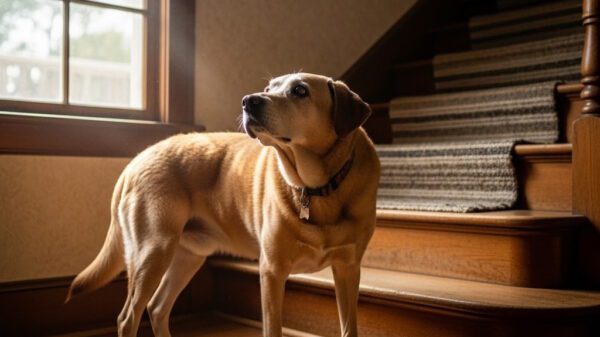
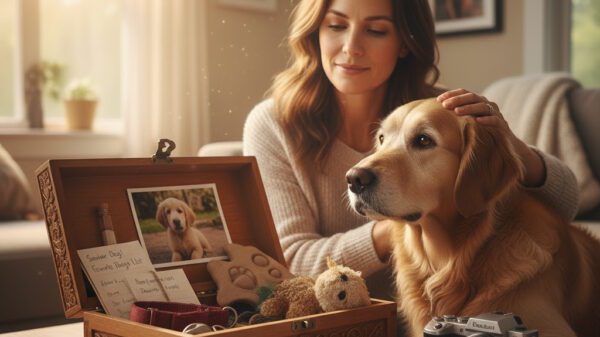
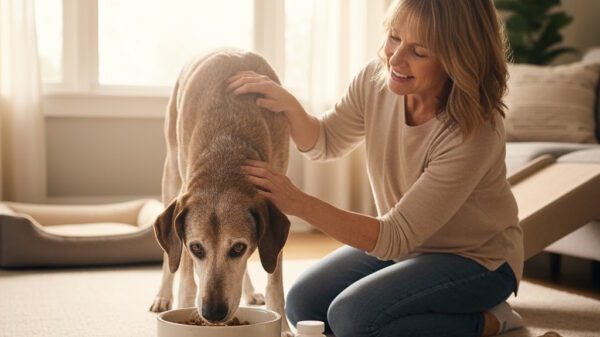
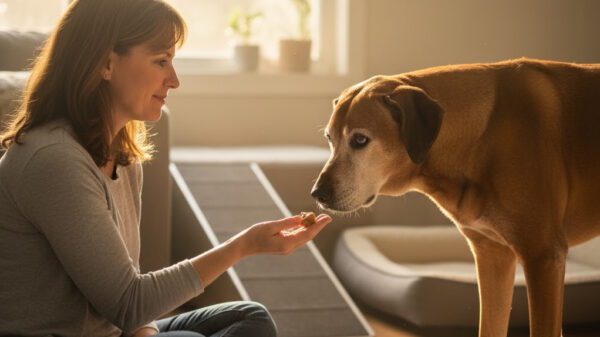
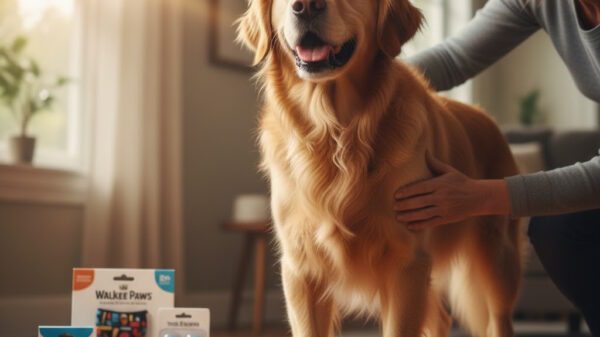
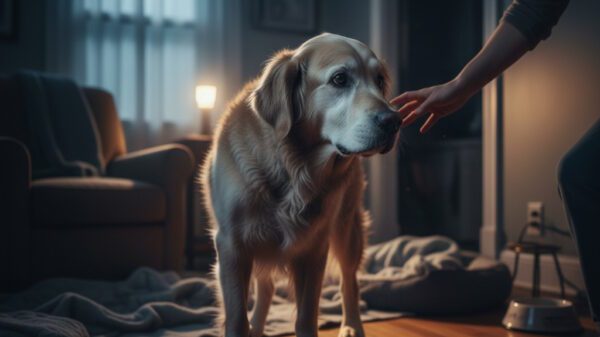
We know their every signal: the slight hesitation before climbing the stairs, the gentle groan as they settle onto their bed, the subtle stiffening of their back legs on a chilly morning. Witnessing a beloved senior dog navigate the daily challenges of chronic pain, most often from arthritis, is one of the most difficult parts of loving them into their golden years. Their spirit is still so bright, but their body tells a different story.
🐕 Chronic Pain in Senior Dogs: What’s Really Going On?
As dogs age, joint cartilage thins, muscles weaken, and nerve sensitivity increases — all of which elevate pain even at rest. What might look like “just slowing down” is often active discomfort.
Natural and complementary therapies don’t just help “feel better” — they support circulation, calm inflammation, restore mobility, and reduce reliance on high-dose medications.
While conventional veterinary medicine offers incredible and often essential pain-relieving medications like NSAIDs, many loving owners find themselves asking, “What else can I do to help?” This question opens the door to a world of complementary therapies—gentle, natural options that can work in harmony with traditional treatments to provide a more complete level of comfort.
This is a guide to that “what else.” We will explore three of the most respected and effective natural therapies for senior dog pain: the ancient wisdom of acupuncture, the healing power of massage, and the modern potential of CBD. This is not about replacing your veterinarian’s advice, but about building a multi-modal team of support to help your cherished friend live their final years with as much comfort, mobility, and joy as possible.
In This Article
The “Whole Dog” Approach: Why Complementary Therapies Matter
The most effective pain management plans often tackle discomfort from multiple angles. This is referred to as a “multi-modal” approach. By combining different types of therapies, we can often achieve better pain control, which may even allow for lower doses of conventional drugs, reducing the risk of potential side effects.
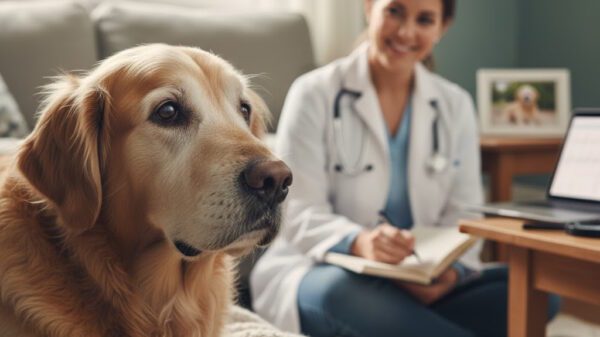
It is absolutely crucial to understand that “natural” does not mean “without effect” or “without risk.” You must consult with your primary veterinarian before starting any new therapy or supplement. They are your partner in this journey and the only ones who can ensure a new treatment is safe and won’t interfere with your dog’s existing medical conditions or medications.
These therapies are about treating the whole dog—soothing not just their aching joints but also their stress levels and emotional well-being, and strengthening the precious bond you share.
1. Acupuncture: Ancient Wisdom, Modern Relief
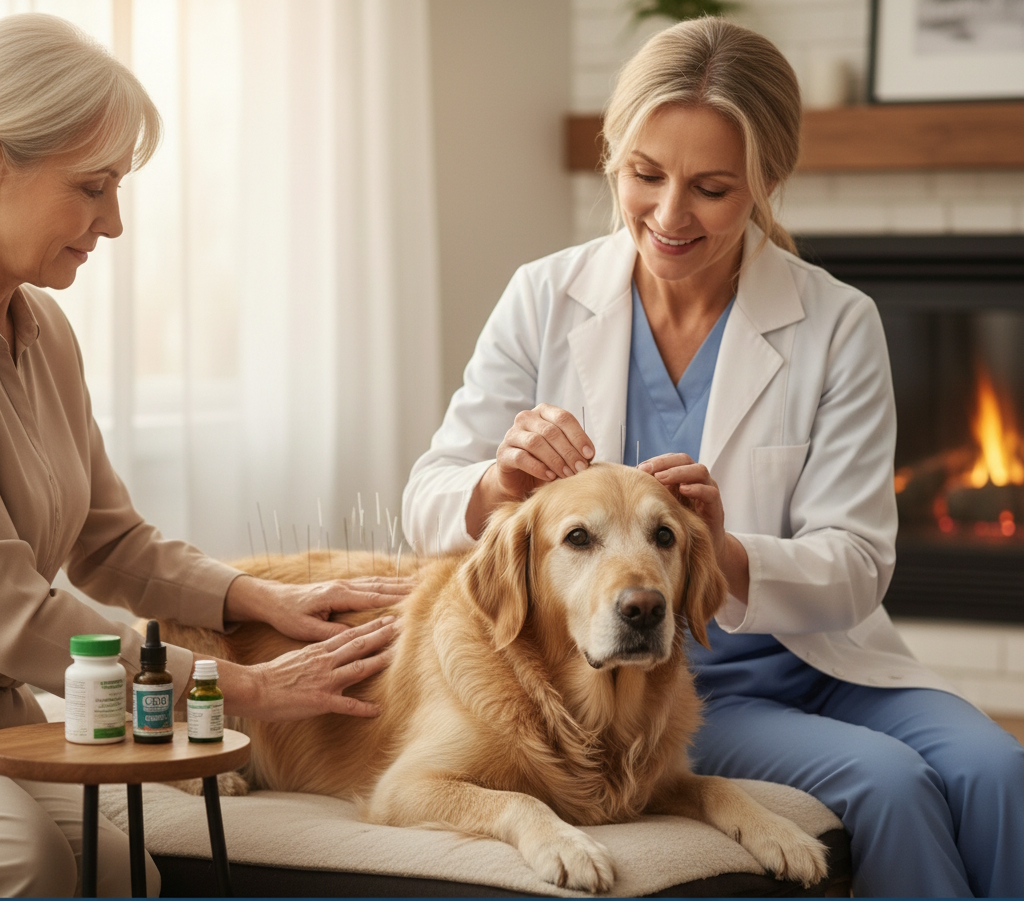
What It Is: Veterinary acupuncture is a gentle, minimally invasive therapy that involves inserting very fine, sterile needles into specific points on the dog’s body. Rooted in thousands of years of traditional Chinese medicine, it is now a widely accepted and practiced therapy in Western veterinary medicine for pain control.
How It Works: From a scientific perspective, inserting needles at these specific points is thought to trigger a cascade of positive effects. It stimulates the nervous system, prompting the release of the body’s own natural pain-relieving chemicals, such as endorphins. It also helps reduce inflammation, increase blood circulation to painful areas, and relax tense muscles that are “splinting” around sore joints.
What It’s Best For: It is exceptionally effective for chronic pain associated with osteoarthritis, degenerative joint disease (DJD), hip dysplasia, and certain types of nerve pain.
What to Expect: A typical session takes place in a quiet, calm room. The veterinarian will place the tiny needles, and most dogs show little to no discomfort—in fact, the release of endorphins is so profound that many seniors relax completely and even fall asleep during treatment.
Finding a Professional: This is not a service to be performed by just anyone. It is essential to seek out a Certified Veterinary Acupuncturist (CVA). These are licensed veterinarians who have undergone extensive, specialized training. You can find a certified professional through organizations like the International Veterinary Acupuncture Society (IVAS).
2. Therapeutic Massage: The Power of a Healing Touch
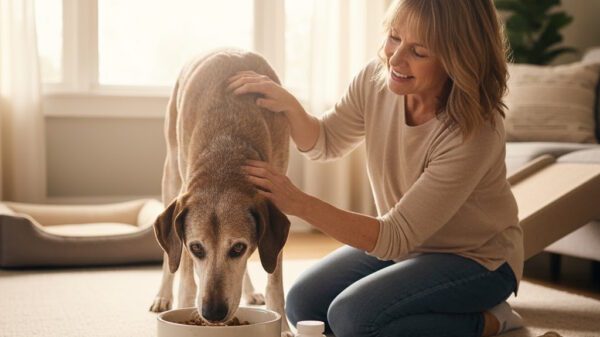
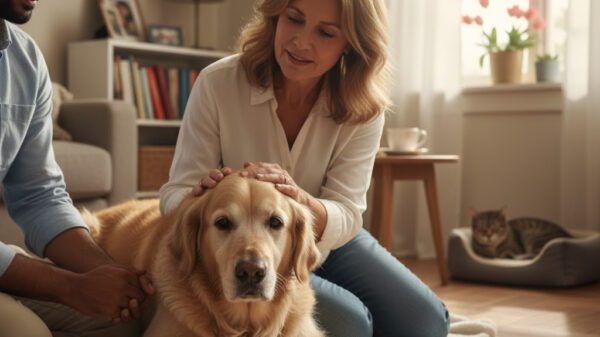
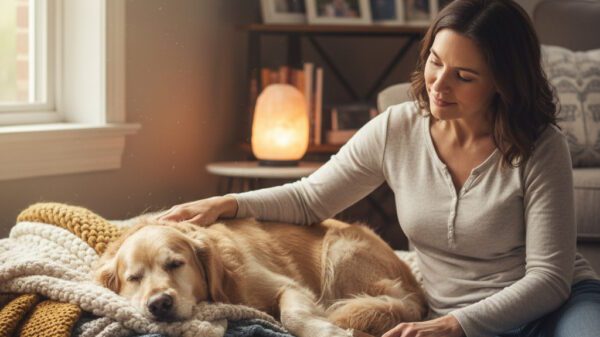
What It Is: This is far more than just affectionate petting. Canine therapeutic massage is the structured, intentional manipulation of your dog’s muscles and soft tissues to relieve pain, reduce tension, and improve physical function.
The Benefits:
- Reduces Muscle Tension: Dogs with arthritis often “splint” their bodies, tensing up muscles around sore joints. Massage helps release this tension, which is a major source of secondary pain.
- Improves Circulation: Gentle strokes increase blood flow, bringing oxygen and nutrients to tissues and helping to flush away inflammatory byproducts.
- Decreases Stress and Anxiety: The gentle, focused touch can be incredibly calming, lowering stress hormones and helping your dog relax both mentally and physically.
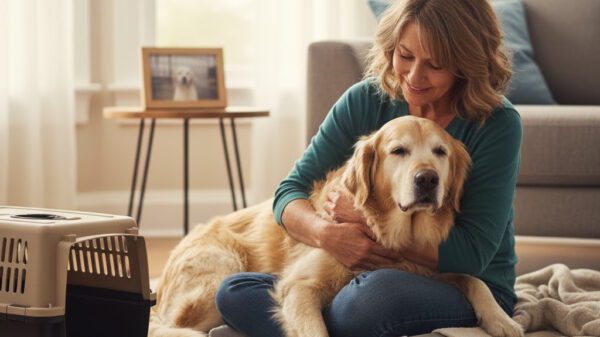
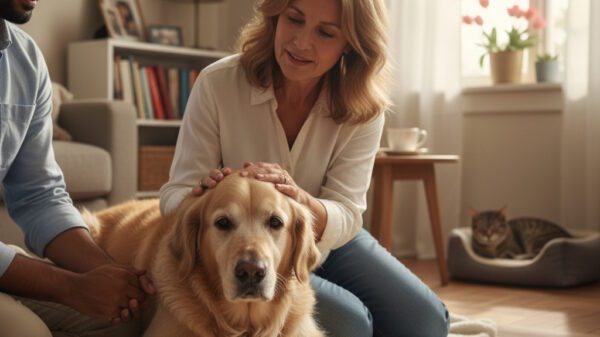
- Enhances Your Bond: This is a beautiful, quiet way to connect with your senior dog, communicating your love and care through the power of touch.
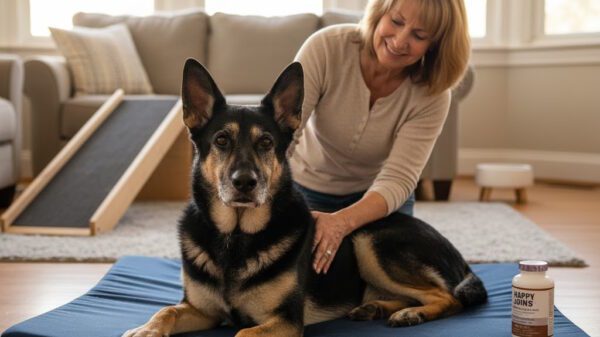
Simple Techniques You Can Do at Home: While a certified professional can perform deep, targeted work, you can provide comfort at home. In a quiet space, use a flat, open palm to perform “effleurage”—long, slow, gliding strokes along the length of your dog’s muscles (like their back, neck, and thighs), always in the direction of hair growth. Be gentle, watch their body language, and stop immediately if they show any sign of pain or discomfort.
3. CBD (Cannabidiol): The New Frontier of Comfort
What It Is: CBD, or cannabidiol, is a non-psychoactive compound found in the hemp plant. It is crucial to understand that CBD is not marijuana, and it will not get your dog “high.” It is specifically separated from THC, the compound responsible for the psychoactive effects.
How It’s Thought to Work: CBD interacts with the body’s endocannabinoid system (ECS), a complex network of receptors that helps regulate fundamental functions, including pain sensation, inflammation, sleep, and mood. By supporting the ECS, CBD can help the body manage chronic pain and reduce inflammation.
The Unregulated Market: A Critical Warning. The pet CBD market is booming, but it remains unregulated by the FDA. This means the quality, purity, and potency of products can vary dramatically. A low-quality product could be ineffective at best or contain harmful contaminants at worst.
How to Choose a Safe, High-Quality CBD Product: This is where you, as a consumer, must be incredibly diligent. Do not buy a product without verifying the following:
- It has a Certificate of Analysis (COA): This is non-negotiable. A COA is a report from an independent, third-party laboratory that confirms the product’s potency (how much CBD is in it) and that it is free from THC, pesticides, heavy metals, and solvents. This should be easily accessible on the company’s website.
- It’s made from Organic Hemp: This ensures the plant was grown without pesticides.
- It’s Formulated for Dogs: Use a pet-specific product to ensure proper concentration and safe carrier oils (such as MCT or hemp seed oil).
Dosing and Veterinary Consultation: There is no universally agreed-upon dose for CBD in dogs. You should consult your veterinarian before giving your dog CBD. They can help you determine a safe starting dose and ensure it will not interact with any other medications your dog is taking.
🩺 Vet Insight: Integrative Pain Relief Options for Dogs
According to PetMD, combining therapies such as massage, acupuncture, and targeted supplements within a multimodal plan leads to better pain control in senior dogs than medications alone.
Source: PetMD – “Natural Pain Relief for Dogs,” Updated Dec 19 2024.
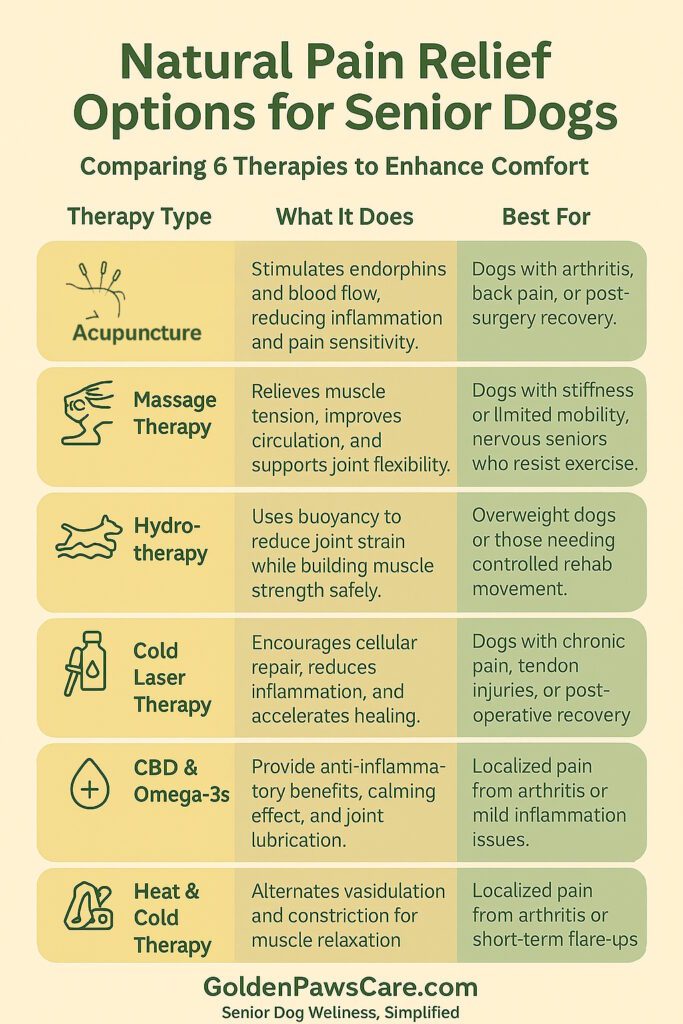
| Therapy Type | What It Does | Best For |
|---|---|---|
| Acupuncture | Stimulates endorphins and blood flow, reducing inflammation and pain sensitivity. | Dogs with arthritis, back pain, or post-surgery recovery. |
| Massage Therapy | Relieves muscle tension, improves circulation, and supports joint flexibility. | Dogs with stiffness or limited mobility; nervous seniors who resist exercise. |
| Hydrotherapy | Uses buoyancy to reduce joint strain while building muscle strength safely. | Overweight dogs or those needing controlled rehab movement. |
| Cold Laser Therapy | Encourages cellular repair, reduces inflammation, and accelerates healing. | Dogs with chronic pain, tendon injuries, or post-operative recovery needs. |
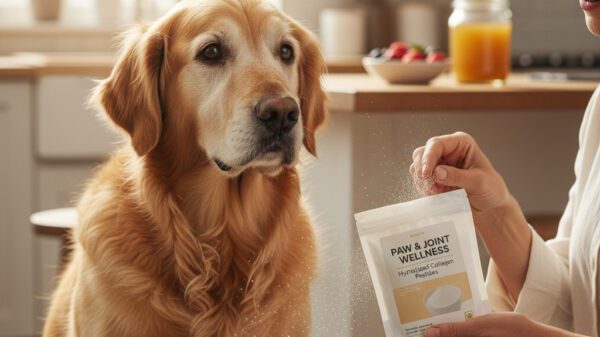
| CBD & Omega-3s | Provide anti-inflammatory benefits, calming effect, and joint lubrication. | Dogs with generalized pain, anxiety, or mild inflammation issues. |
| Heat & Cold Therapy | Alternates vasodilation and constriction for muscle relaxation and swelling control. | Localized pain from arthritis or short-term flare-ups. |
Weaving It All Together
These therapies are not mutually exclusive. In fact, they often work best together. A senior dog might benefit from weekly acupuncture, a high-quality daily CBD supplement, and a gentle massage from you every evening.
Providing comfort for your senior dog is a final, beautiful chapter in your life together. By working with your veterinarian to explore gentle, natural options, you are honoring their years of companionship with a dedicated, holistic approach to their well-being. You are their ultimate advocate, and your commitment to their comfort is the greatest gift of all.