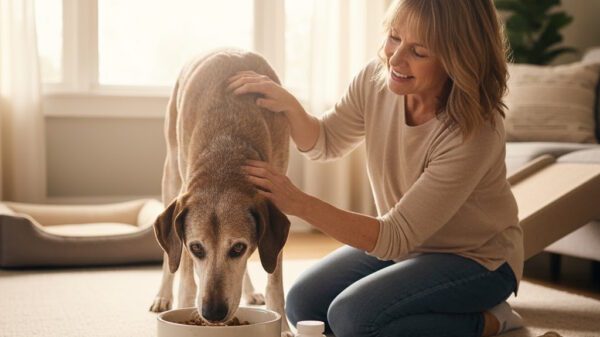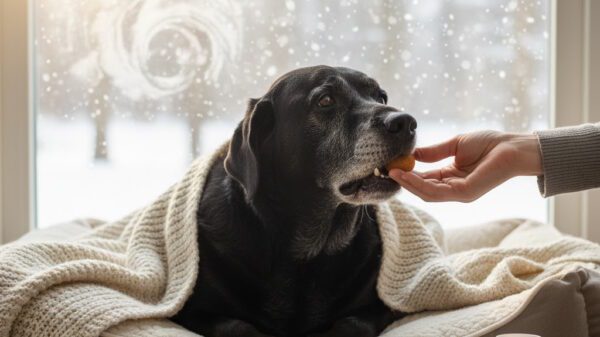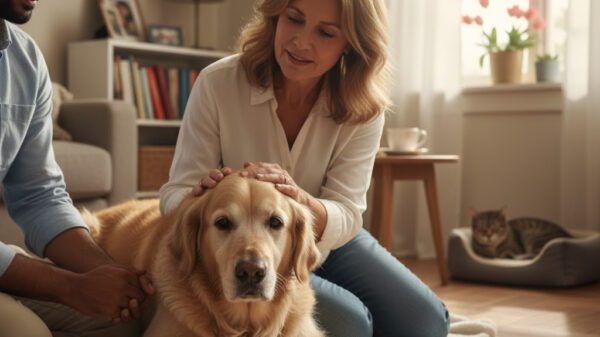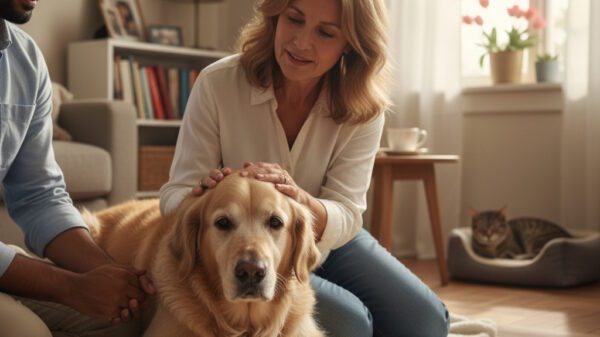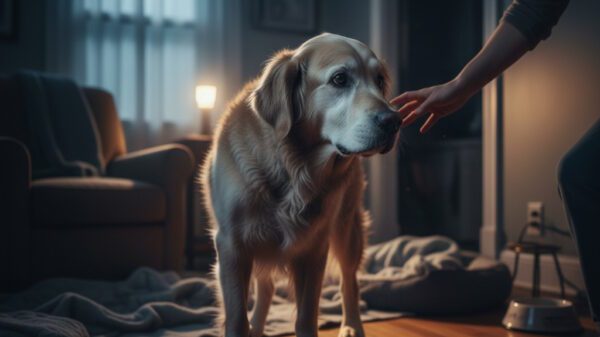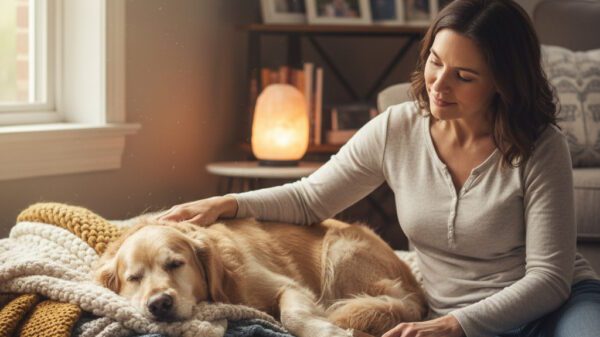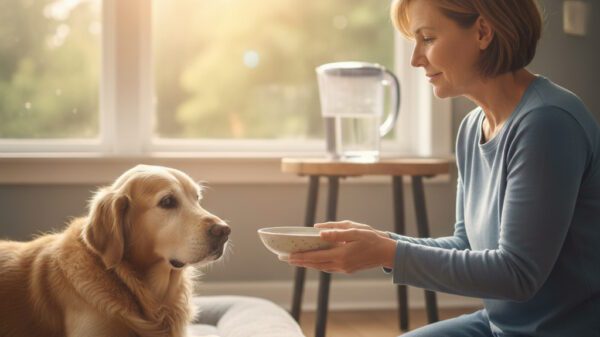
There’s a certain nostalgia that comes with bathing a dog. We remember the chaotic, splash-filled wrestling matches with a puppy discovering water for the first time. However, as our loyal companions enter their golden years, bathtime transforms. It evolves from a boisterous chore into a quiet, therapeutic ritual—an act of profound love and attentive care.
Source: Senior Pet Grooming Council, “Aging Canine Skin & Care Practices,” 2022.
Bathing a senior dog is about so much more than just getting them clean. It’s a precious opportunity to run your hands over their body, checking for any new lumps, bumps, or sore spots. It’s a chance to soothe their aging muscles with warm water and a gentle massage. However, this tender act comes with new challenges. Stiff joints, sensitive skin, decreased mobility, and potential anxiety can make the tub a place of stress rather than comfort.
This guide is designed to help you navigate these challenges with confidence and grace. We’ll walk you through preparing your space, the bathing process itself, and post-bath care, ensuring the experience is safe, calm, and reinforces the beautiful bond you share with your aging friend.
In This Guide
🩺 Senior-Dog Bathing: Professional Groomer Insight
“Using a non-slip bath surface and limiting water depth to hip level are key for senior dogs with arthritis — they minimise fall risk and hydraulic resistance.” — Professional Groomer Sara Jenkins, CGT (Certified Senior Dog Grooming Specialist)
| Bath Step | Senior Consideration | Recommended Tool / Tip |
|---|---|---|
| Prepare area | Joint pain, low stamina | Lay non-slip mat, stage towels, pre-open shampoo |
| Entry to tub | Hesitation, lift risk | Use ramp or sling; water shallow (hip-level) |
| Rinse & shampoo | Dry/sensitive skin | Lukewarm water; hypoallergenic senior shampoo; gentle massage |
| Rinse out | Residue irritation | Rinse 2×, especially belly, groin, paws |
| Dry & finish | Chill risk, fatigue | Warm towel; cool/low dryer; inspect ears, paw pads |
Part 1: The Gentle Preparation – Setting the Stage for Success
A successful, stress-free bath begins long before the water starts running. Taking the time to prepare your space and gather your supplies will make all the difference, transforming a potentially anxious event into a smooth, controlled process.
Gather Your Senior-Specific Arsenal:
Think of this as setting up a spa day for your best friend. Having everything within arm’s reach prevents you from leaving your dog unattended and reduces stress for both of you.
🛁 Recommended Bathing & Grooming Tools
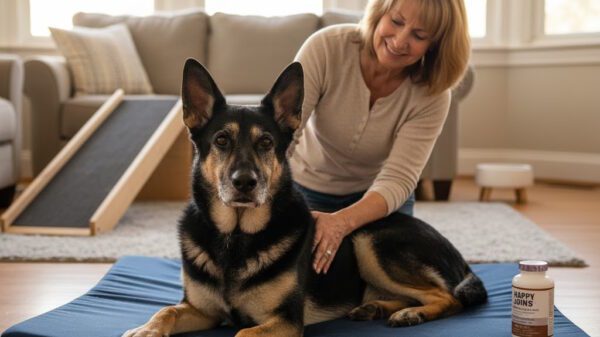
- Non-slip bath mat — stability for arthritic seniors
- Hypoallergenic senior shampoo — gentle on thinning skin
- Low step ramp or sling — safer entry/exit
- Absorbent microfiber towels — quick dry, less chill
Disclosure: We may earn from qualifying purchases at no extra cost to you.
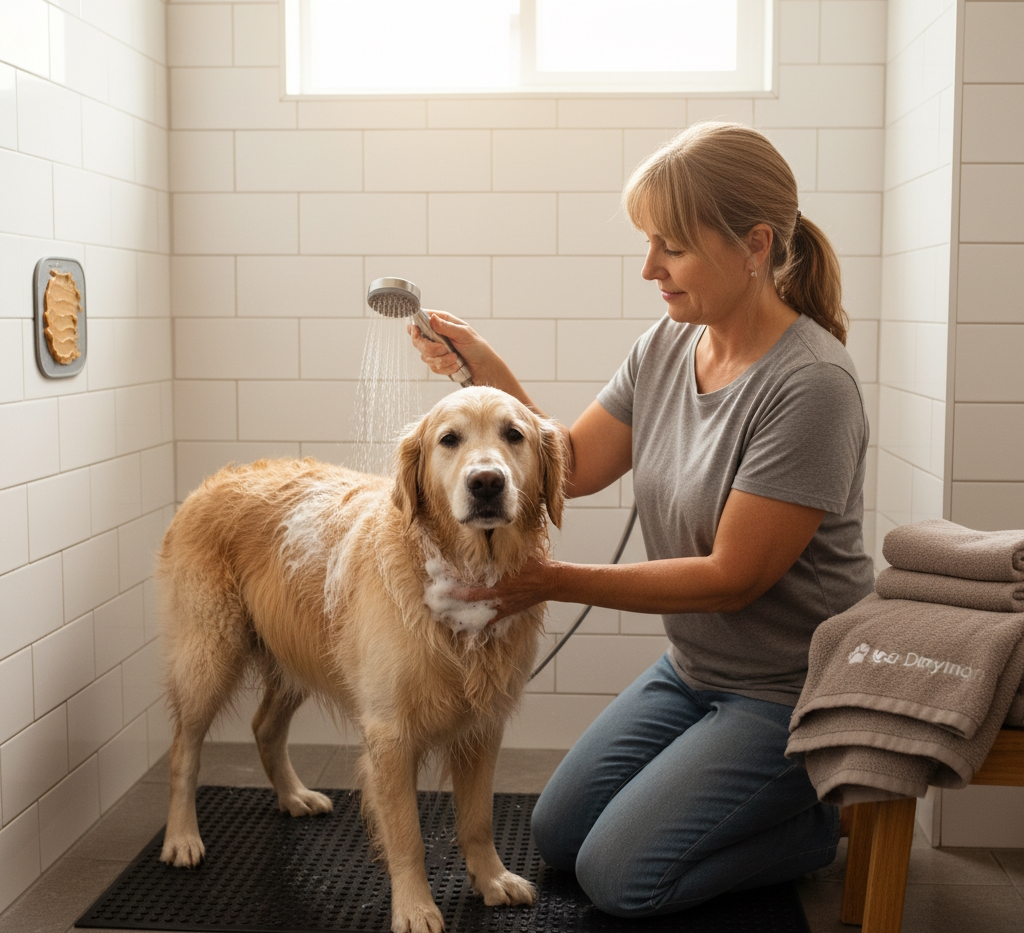
- Non-Slip Surfaces are Non-Negotiable: This is the most critical safety item. Senior dogs are unsteady on their feet, and a slippery tub is a recipe for disaster. You will need one non-slip bathmat for inside the tub or shower and another for the floor outside to ensure a secure exit.
- The Right Shampoo: A senior dog’s skin is often thinner, drier, and more prone to irritation. The harsh puppy shampoo of yesterday will no longer do.
- Look for a gentle, soap-free shampoo with soothing ingredients like oatmeal, aloe vera, or shea butter. If your dog has specific skin issues, your veterinarian may recommend a medicated shampoo containing ingredients such as chlorhexidine for bacterial infections or ketoconazole for fungal infections.
- A Handheld Shower Sprayer: This is a game-changer. A gentle, controlled stream of water from a handheld sprayer is far less frightening than the loud, echoing blast from a faucet. It allows you to direct the water precisely, keeping it away from their sensitive face and ears while efficiently rinsing their underbelly.
- Have a stack of clean, dry towels ready to use.
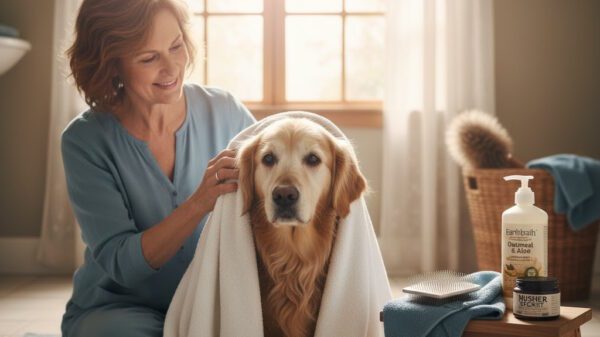
- Ultra-absorbent microfiber dog towels can significantly reduce drying time. For ultimate comfort and efficiency, consider a dog-specific drying robe or coat that your dog can wear after the bath to wick moisture while resting.
- Essential Extras: Cotton balls to gently place in their ears to keep water out, a washcloth for their face, and a jar of high-value treats to create a positive association.
Choose Your Location Wisely: A standard bathtub can work, but the high wall can pose a challenge for dogs with hip or back problems. A walk-in shower is an excellent, safer alternative. If bathing outdoors in warm weather, ensure the water from the hose is lukewarm—not cold—since seniors are more sensitive to temperature changes.
The Pre-Bath Brush-Out: Before your dog even sees the tub, give them a thorough but gentle brushing. Water tightens mats and tangles, making them painful and almost impossible to remove. Brushing out loose fur and debris first will make the shampoo more effective and the entire process more comfortable.
Part 2: The Main Event – A Step-by-Step Guide to a Fear-Free Bath
With your station prepared, it’s time for the bath itself. Your calm energy is contagious, so take a deep breath and approach this as a quiet bonding moment.
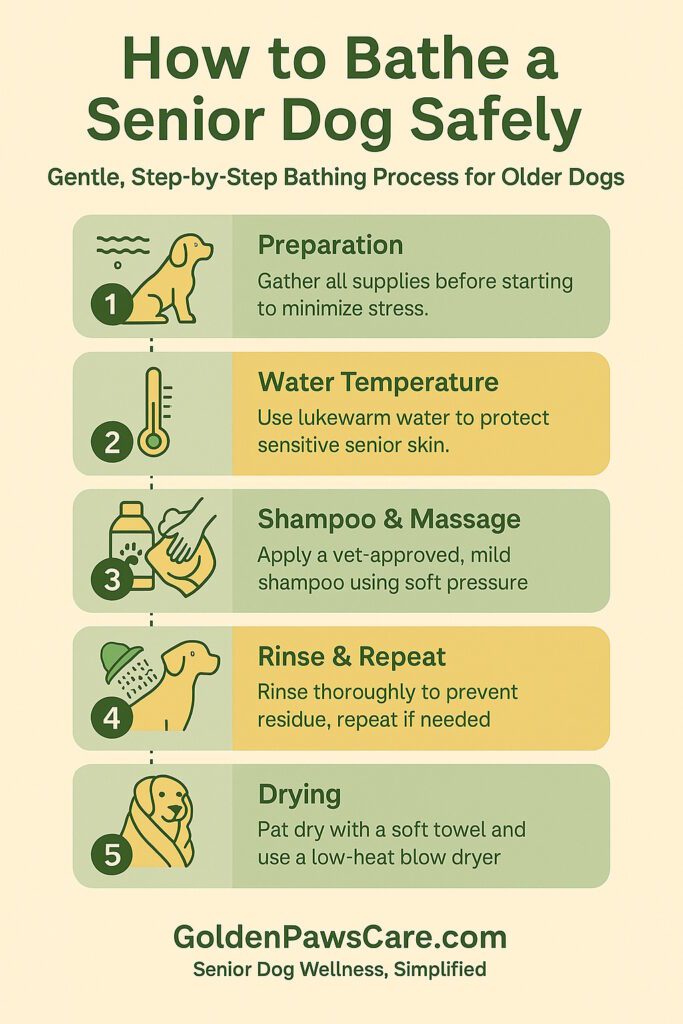
Step 1: Create a Calm Atmosphere. Close the door to minimize outside noise. Speak in a soft, reassuring voice. For dogs with significant anxiety, this is a great time to use a distraction.
- – A silicone lick mat smeared with peanut butter (xylitol-free) or dog-safe cheese spread can be suctioned to the shower wall. This gives your dog a delicious and distracting task to focus on, often making them forget they’re even in the tub.
Step 2: Adjust the Water Temperature to Just the Right Level. Test the water on your wrist. It should be comfortably lukewarm—not hot, not cold. An older dog’s body has a more difficult time regulating its temperature.
Step 3: Secure and Support Your Dog. Lead them gently into the tub onto the non-slip mat. If they need help, lift them by supporting their chest and rear—never by their legs or scruff of the neck. Stay with them, keeping a gentle hand on their back for reassurance.
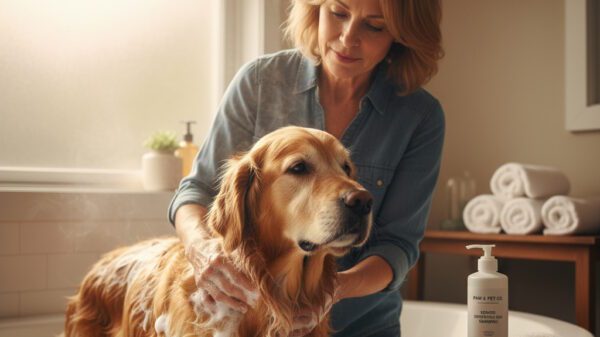
Step 4: Lather with Loving Care. Using the handheld sprayer, wet your dog’s body from the neck down, avoiding the head and face. Apply a small amount of your chosen senior-friendly shampoo and work it into a gentle lather. Use this time for a slow, gentle massage. Feel their muscles, their spine, their legs. This is your opportunity to conduct a health check, noting any new sensitivities or lumps to discuss with your veterinarian.
Step 5: Rinse, and Rinse Again. Leaving shampoo residue on the skin is a primary cause of irritation. Rinse their coat until the water runs completely clear and there are no more suds.
Step 6: Gently Clean Their Face. Never spray water directly onto your dog’s face. Instead, use a damp washcloth (with no soap) to gently wipe around their eyes, muzzle, and the outside of their ears.
Part 3: The Cozy Aftermath – Drying and Rewarding
The moments after the bath are just as important for safety and comfort.
- A Safe Exit: Help your dog step carefully out of the tub onto the non-slip mat on the floor.
- Gentle Drying: Vigorously rubbing an older dog can be uncomfortable on their sore joints. Instead, use a towel to gently squeeze the excess water from their coat, then pat and blot them dry. This is where a doggy drying robe can be a wonderful, hands-free solution.
- Low-Heat Blow Drying (Optional): If your dog has a thick double coat, a blow dryer may be necessary. Use only a pet-specific dryer on its lowest heat and speed setting. Keep the dryer moving constantly and keep it at least a foot away from their skin to prevent burns.
- Warmth is Paramount: A wet senior dog can get chilled very easily. Ensure they are in a warm, draft-free room until they are completely dry.
- Having a clean, dry, and supportive orthopedic dog bed ready for them to collapse into is the perfect end to their spa treatment.
- Reward Lavishly: Once they are settled and dry, shower them with praise and a special, high-value treat. You want the last thing they remember about the experience to be a positive and rewarding one.
When a Traditional Bath Isn’t an Option
For some seniors, especially those with severe mobility issues or health conditions, a full bath is too stressful or risky. In these cases, you have excellent alternatives:
Waterless Shampoos: These foaming mousse or spray products are applied to the coat, massaged in, and then towel-dried. They are a fantastic way to freshen up your dog without the stress of water.
Heavy-Duty Grooming Wipes: For quick clean-ups of paws, faces, or small soiled areas, large, durable pet wipes are an essential item to have on hand.
Professional Grooming: Look for a local groomer with experience in caring for geriatric dogs. They often have specialized equipment, like walk-in tubs and hydraulic tables, that can make the process significantly safer and easier.
💬 Dr. Sarah Kent’s Senior Bathing FAQs
How often should I bathe my senior dog?
What water temperature is safest?
How do I help an arthritic dog into the tub?
Reviewed by Dr. Sarah Kent, DVM.
— Dr. Sarah Kent, DVM
In the end, bathing your senior dog is a quiet conversation. It’s an act of service that says, “I see you’re getting older, and I am here to help you every step of the way.” With patience, preparation, and a gentle touch, you can ensure that this necessary act of care remains a loving and comforting experience for both of you.