Best Shampoo for Senior Dogs
There’s a special kind of comfort in stroking your senior dog’s soft fur —a tangible connection to the years of companionship you’ve shared. But what if that comforting touch reveals a problem? Dry patches, flakiness, persistent scratching, redness, or even hot spots can quickly turn a peaceful moment into one of concern. As our beloved dogs age, their skin often becomes more fragile, less resilient, and significantly more prone to irritation. The robust skin of their youth gives way to a delicate canvas that requires extra care and attention.
If your senior dog is battling sensitive skin, you know the frustration—and heartbreak—of watching them incessantly itch. You’ve likely tried various remedies, but the solution often lies in the fundamentals, starting with their bathing routine. Choosing the best shampoo for senior dogs isn’t just about getting them clean; it’s about providing genuine relief, protecting their delicate epidermal barrier, and bringing comfort back to their daily lives. This article will explore why senior dogs develop sensitive skin, what ingredients to look for (and avoid) in shampoos, and our top recommendations for soothing their discomfort.
In This Guide
Why Does a Senior Dog’s Skin Become So Sensitive?
Understanding the “why” behind your senior dog’s sensitive skin is the first step toward effective management. It’s a complex interplay of age-related changes, environmental factors, and, at times, underlying health issues.
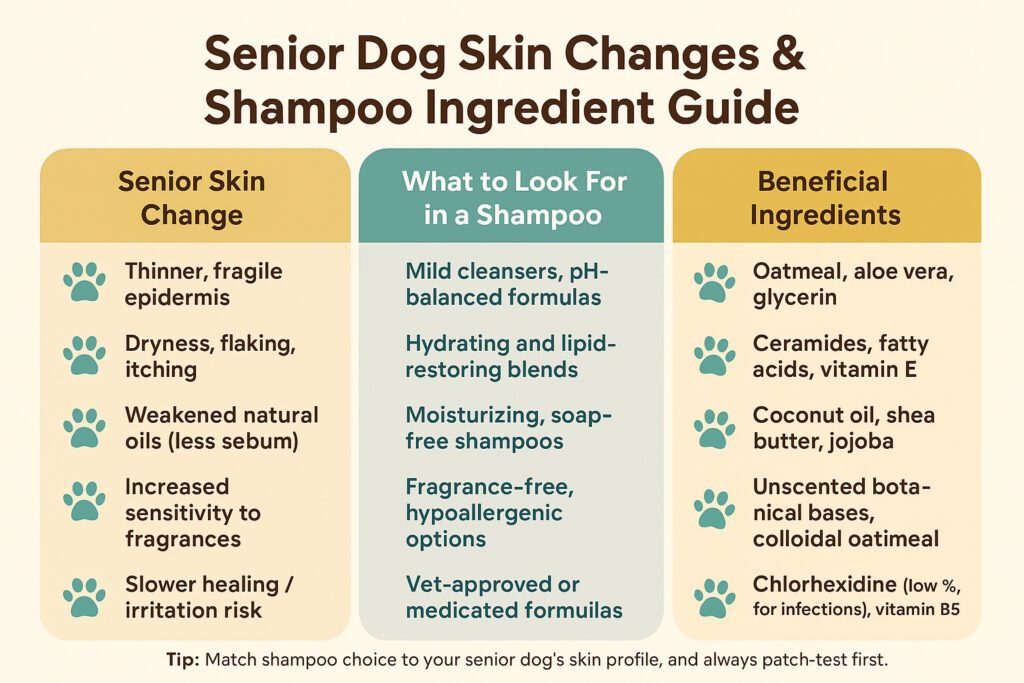
- Declining Skin Barrier Function: As dogs age, their skin’s natural protective barrier weakens. This barrier, composed of lipids and proteins, acts like a shield against irritants, allergens, and moisture loss. A compromised barrier means irritants can penetrate more easily, leading to inflammation and dryness.
- Reduced Oil Production: The sebaceous glands, which produce natural oils (sebum) that keep the skin supple and hydrated, become less active with age. This leads to drier skin, which is more prone to flaking, cracking, and itching.
- Hormonal Changes: Senior dogs can experience hormonal imbalances, such as hypothyroidism or Cushing’s disease, which often manifest as skin and coat problems, including excessive dryness, thinning hair, or increased oiliness in specific areas.
- Allergies (New or Worsened): Just like humans, dogs can develop new allergies or find existing ones worsen with age. Environmental allergens (such as pollen and dust mites), food allergies, or flea bite allergies can all trigger intense itching and skin inflammation.
- Weakened Immune System: An aging immune system is less efficient at fighting off bacteria, yeast, and parasites. This makes senior dogs more susceptible to secondary skin infections, which can exacerbate itching and further irritate the skin.
- Underlying Health Conditions: Beyond hormonal issues, conditions such as kidney disease or liver disease can impact skin health, leading to dryness, dull coats, and increased sensitivity.
📚 Reference:
Clark MD. (2024). General changes of skin and hair coat in older dogs.
Royal Canin Academy – Aging Dog Dermatology
Describes how the epidermis and dermis thin, sebum production drops and healing slows in aging dogs — key reasons to use specialized shampoos.
Before you reach for a new shampoo, it’s crucial to consult your veterinarian. They can help rule out underlying medical conditions, confirm if allergies are at play, and provide a comprehensive treatment plan that might include dietary changes, medication, or specific topical treatments alongside your new shampoo.
Tip: Match shampoo choice to your senior dog’s skin profile, and always patch-test first.
Key Ingredients to Look For in Shampoos for Senior Dogs with Sensitive Skin
Once you’ve discussed your dog’s condition with your vet, the hunt for the perfect shampoo begins. Focus on formulations that are gentle, moisturizing, and therapeutic. Here’s what to seek out:
- Oatmeal (Colloidal Oatmeal): The gold standard for soothing irritated skin. Oatmeal has anti-inflammatory properties and creates a protective barrier that locks in moisture and relieves itching.
- Aloe Vera: Known for its healing and soothing properties, aloe vera can help calm inflamed skin and promote healing.
- Hydrocortisone or Pramoxine HCL: For acute itching, your veterinarian might recommend a shampoo containing these mild topical anesthetics or anti-inflammatories to provide immediate relief while other ingredients work to heal the skin.
- Essential Fatty Acids (Omega-3s, Omega-6s): Ingredients such as fish oil or linoleic acid can help restore the skin’s lipid barrier, thereby improving moisture retention and overall skin health.
- Ceramides: These lipids are natural components of the skin barrier. Shampoos containing ceramides can help replenish and strengthen this vital protective layer.
- Vitamin E: An antioxidant that supports skin health and can help protect against environmental damage.
- Gentle Cleansers: Look for sulfate-free formulas. Sulfates can be harsh and strip the skin of its natural oils, worsening dryness and irritation.
- Hypoallergenic Formulas: These are specifically designed to minimize allergens and irritants, making them a safe bet for highly sensitive dogs.
- Medicated Ingredients (Vet-Recommended): If your dog has a bacterial or yeast infection, your veterinarian may prescribe a medicated shampoo containing ingredients such as chlorhexidine (an antibacterial agent) or miconazole (an antifungal agent).
📚 Reference:
Santoro D. (2023). Comparing treatments for restoring the skin barrier in atopic dogs.
DVM360, Jan 27 2023
Reports how ceramide- and fatty-acid-rich shampoos significantly improve hydration/skin barrier in dogs — relevant to aging skin needs.
Ingredients to Avoid Like the Plague
Just as important as knowing what to look for is knowing what to steer clear of. Many common shampoo ingredients can exacerbate sensitive skin issues in senior dogs.
- Harsh Sulfates (e.g., Sodium Lauryl Sulfate, Sodium Laureth Sulfate): These create lather but are notorious for stripping natural oils, leading to extreme dryness and irritation.
- Artificial Fragrances and Dyes: These are common irritants and allergens. While a strongly scented shampoo might smell pleasant to you, it can be incredibly irritating to your dog’s delicate skin. Opt for fragrance-free or naturally scented, with mild vet-approved essential oils, if any.
- Parabens: These preservatives have raised health concerns and can irritate sensitive skin.
- Phthalates: Often found in fragrances, these compounds are best avoided for overall health benefits.
- Alcohol: Can be extremely drying and irritating to already sensitive skin.
| Shampoo | Key Feature | Best Use Case | |
|---|---|---|---|
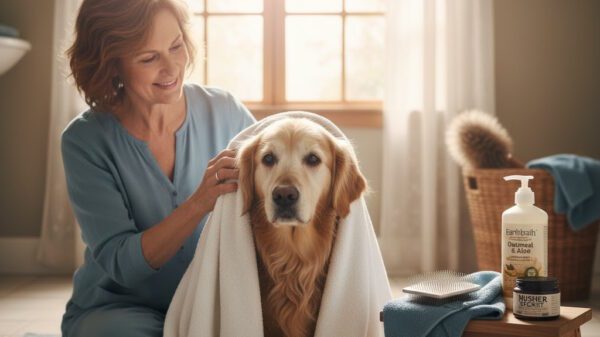
| Earthbath Oatmeal & Aloe Fragrance-Free | No fragrance, oat + aloe, soap-free | For dogs with highly reactive, sensitive skin | Check Price |
| Burt’s Bees Oatmeal Dog Shampoo | Natural oats + honey, gentle cleansing | Regular wash for dry, flaky skin | Check Price |
| Only Natural Pet Hypoallergenic | Allergen-friendly, mild formula | Dogs prone to allergies or fragrance sensitivity | Check Price |
| FURminator Sensitive Skin Ultra Premium | Cooling menthol + itch relief action | When itchiness is more aggressive | Check Price |
| Vet’s Best Allergy Itch Relief | Blends natural ingredients, soothing formula | Allergy flare-ups or seasonal itching | Check Price |
| Douxo Itch Soothing Shampoo | Derm-grade formula for chronic itch | Persistent skin irritation & hot spots | Check Price |
| Burt’s Bees Hypoallergenic Dog Shampoo | No dyes or scents, ultra-gentle | Dogs who react to even mild formulas | Check Price |
🐾 Trusted Senior-Dog Shampoos (Vet-Friendly Picks)
If your veterinarian recommends a gentler formula, these reader-trusted options prioritize barrier support, low-irritant cleansing, and itch relief for older dogs.
Tips: Patch-test new shampoos on a small area; avoid perfumes if your dog is scent-sensitive; and follow your vet’s schedule for any medicated wash.
Affiliate notice: GoldenPawsCare may earn a small commission from links above, at no extra cost to you. We only feature products that meet veterinary quality standards.
Disclosure: GoldenPawsCare participates in the Amazon Services LLC Associates Program and other affiliate programs. This means we may earn a small commission if you purchase through our links — at no additional cost to you. We only recommend products that meet veterinary quality and safety standards.
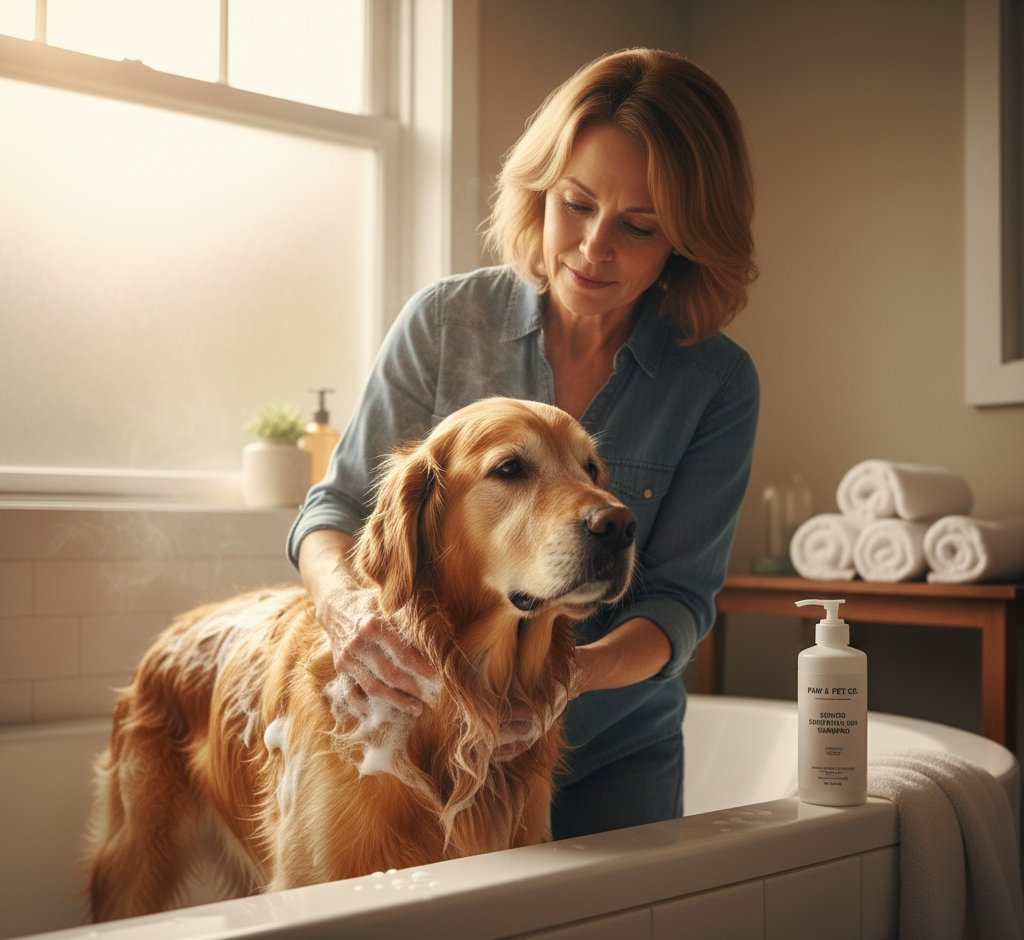
Bathing Best Practices for Senior Dogs with Sensitive Skin
Even with the perfect shampoo, your bathing technique matters.
- Frequency: Don’t over-bathe. For most senior dogs with sensitive skin, bathing every 2-4 weeks is sufficient, or as directed by your vet. Excessive bathing can strip the skin of its natural oils.
- Lukewarm Water: Hot water can be drying and irritating. Use only lukewarm water that is comfortable to the touch.
- Gentle Application: Lather the shampoo, focusing on the affected areas. Avoid vigorous scrubbing, which can further irritate the skin.
- Thorough Rinsing: This is critical. Residual shampoo can dry on the skin, leading to intense itching. Rinse, rinse, and then rinse again, ensuring all traces of shampoo are gone.
- Pat Dry, Don’t Rub: Use a soft, absorbent towel to gently pat your dog dry. Rubbing can cause friction and irritation. If using a hairdryer, ensure it’s on a cool setting and held at a distance to avoid burning their delicate skin.
- Moisturize (Optional but Recommended): After bathing, a vet-approved leave-on conditioner or hydrating spray can further lock in moisture and protect the skin barrier.
The Path to Comfort
Finding the right shampoos for senior dogs with sensitive skin can be a trial-and-error process, but it’s a journey well worth taking. Your senior dog relies on you to be their advocate, to recognize their discomfort, and to seek out solutions. A gentle, effective shampoo, combined with attentive veterinary care and a consistent grooming routine, can make a profound difference. It can transform an itchy, irritated dog into one that is comfortable, calm, and able to fully enjoy the golden years it so richly deserves. Giving them relief from incessant itching is more than skin-deep; it’s a gift of peace and well-being.