Senior Dog Odor
It’s a subtle shift, often noticed gradually. The familiar, comforting scent of your beloved canine companion—the smell of home, of loyalty, of a thousand shared moments—begins to change. Instead of that pleasant “doggy” smell, you might detect something different, perhaps a bit musty, faintly yeasty, or even just… more potent. This phenomenon, often called “old dog smell,” is a common concern for owners of aging pets. It can be perplexing, sometimes embarrassing, and frequently raises a crucial question: Is this just a normal part of getting older, or is it a sign of an underlying health issue?
As our dogs enter their golden years, their bodies undergo a myriad of changes, and their unique scent is no exception. This isn’t usually a trivial matter; it’s often a direct reflection of their health. Understanding why older dogs smell different is the first step toward compassionately addressing the issue and improving both their comfort and yours. This guide will walk you through the common causes of senior dog odor and provide safe, effective strategies to manage it, ensuring your home remains a fresh and happy haven for your cherished companion.
In This Guide
The Multifaceted Causes of Senior Dog Odor: More Than Just “Old Age”
That distinctive “old dog smell” is rarely caused by just one factor. Instead, it’s often a combination of several age-related physiological changes and health conditions. Pinpointing the root cause is essential for effective management.
1. Skin and Coat Changes:
- Reduced Oil Production: As dogs age, their sebaceous glands (which produce skin oils) can become less efficient, leading to drier skin. Paradoxically, they can also become overactive in certain areas, leading to an excessive buildup of sebum that can become rancid and contribute to a musty odor in senior dogs.
- Thinner Coat: A thinner coat can make the skin more exposed to environmental allergens and irritants, potentially leading to dryness, flakiness, or infections.
- Drier Skin & Dandruff: Dry skin can flake more, creating a breeding ground for bacteria and yeast, which are significant contributors to an unpleasant smell.
📚 Reference: In older dogs, declines in sebum production and skin barrier integrity are documented, which can lead to increased dryness, flaking and malodor from the coat. (Bellows J. et al., J Am Vet Med Assoc. 2015)
2. Dental Disease (The Top Culprit):
- This cannot be overstated: the most common and often most potent source of offensive odors in older dogs is dental disease. Years of plaque and tartar buildup lead to gingivitis, periodontitis, and infected teeth. The bacteria thriving in your dog’s mouth produce volatile sulfur compounds that create terrible, bad breath in older dogs. This isn’t just a “mouth smell”; it emanates from them constantly. The chronic infection also impacts their overall health.
📚 Reference: Periodontal disease is highly prevalent (> 78% of dogs > 3 yrs in general practice) and is a significant source of halitosis, bacterial overgrowth and systemic inflammation that may contribute to odor in senior dogs. (Bellows J. et al., J Am Vet Med Assoc. 2015)
3. Ear Infections:
- Older dogs, particularly those with floppy ears or underlying allergies, are prone to recurrent ear infections. These can be bacterial, yeast, or a combination, and they often produce a distinct, pungent, yeasty, or cheesy smell that can easily pervade their entire body and your living space.
4. Skin Infections (Bacterial or Yeast):
- With age, the immune system weakens, and skin elasticity decreases. Older dogs are more susceptible to both bacterial (pyoderma) and yeast (Malassezia) skin infections. These can manifest as greasy, reddish, itchy skin, often in folds or damp areas, and produce a very strong, distinctively sweet, musty, or “corn chip” like odor. Skinfold dermatitis in senior dogs is particularly common in breeds with wrinkles.
5. Anal Gland Issues:
- Anal glands are two small sacs located on either side of a dog’s anus that contain a pungent, fishy-smelling liquid. Normally, these glands are expressed naturally during defecation. However, in older dogs, they can become impacted or infected, leading to leakage of this extremely strong, unpleasant scent, especially when they sit or scoot.
6. Urinary Incontinence:
- Bladder control issues are common in senior dogs. Even small, frequent dribbles of urine can soak into their fur, particularly around the hindquarters, leading to a persistent ammonia-like smell.
📚 Reference: Lower urinary tract disorders, including incontinence and recurrent UTIs, are common in senior dogs and are frequently associated with malodorous urine, increased risk of bedding contamination and home odor issues. (Crouse Z., Senior Dog LUT Disease Review. MSPCA-Angell. 2020)
7. Underlying Medical Conditions:
- More serious medical conditions can also contribute to changes in body odor:
- Kidney Disease: This condition can cause a metallic or ammonia-like odor on the breath due to the buildup of toxins.
- Diabetes: This condition can sometimes lead to a sweet, fruity odor on the breath or in the urine.
- Cancerous Growths or Ulcers: Infected tumors or open sores can produce a foul odor.
- Medical sources — dental disease, skin infection, incontinence, or ear yeast often have a sharp or sour scent. These require veterinary evaluation.
- Age-related changes — slower skin turnover, oil oxidation, and reduced grooming efficiency create a musty odor that can often be managed at home.
| Step | Action | Frequency |
|---|---|---|
| Brush & Wipe | Brush coat, wipe paws and underside with pet-safe wipes | Daily |
| Bath & Dry | Use gentle, pH-balanced senior shampoo; dry thoroughly | Every 2–4 weeks |
| Dental Care | Brush or use enzymatic wipes; consider dental chews | 3–5 times weekly |
| Bedding Refresh | Wash bedding with fragrance-free detergent and white vinegar rinse | Weekly |
🐶 Trusted Odor Relief Tools for Senior Dogs
When odor stems from aging skin, dental changes, or mild incontinence, the right products can make home life more comfortable for everyone. Explore our top veterinarian-approved comfort picks for a fresher, calmer home.
🧴 See Our Recommended Shampoos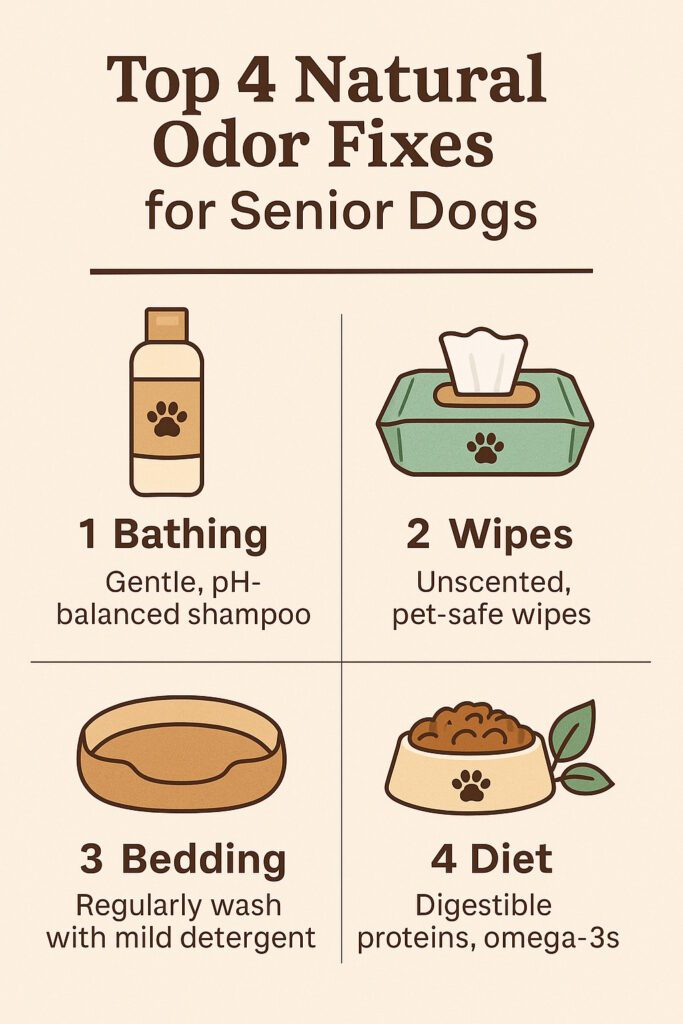
Reducing Senior Dog Odors Safely: A Holistic Approach
Addressing senior dog odor requires a multi-pronged, compassionate strategy that prioritizes their health.
1. Veterinary Consultation: The First and Most Crucial Step
- Never assume a new or stronger odor is “just old age.” A veterinary check-up is paramount. Your vet will perform a thorough physical exam, focusing on the mouth, ears, skin, and anal glands. They may recommend blood tests to check for underlying systemic issues like kidney disease or diabetes. A proper diagnosis is essential before attempting any home remedies.
“Odor is your dog’s body talking to you. Subtle scent changes often reflect skin pH, bacterial balance, or organ stress. The sooner we identify the source, the easier it is to restore comfort.”
2. Prioritize Dental Health:
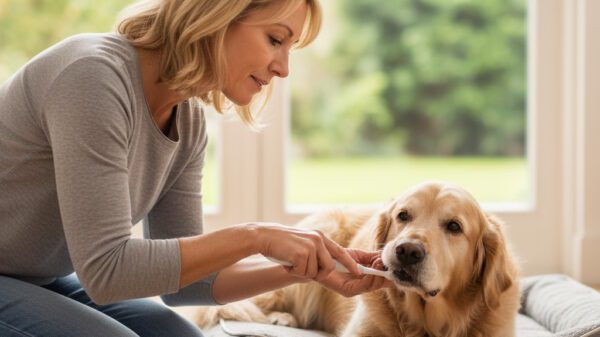
- If dental disease is the culprit, a professional dental cleaning under anesthesia is often the only way to truly eliminate the source of the bad breath and chronic infection. Your veterinarian will assess whether your older dog’s bad breath is severe enough to warrant this treatment. Continue with daily brushing at home to prevent recurrence.
3. Regular, Gentle Grooming:
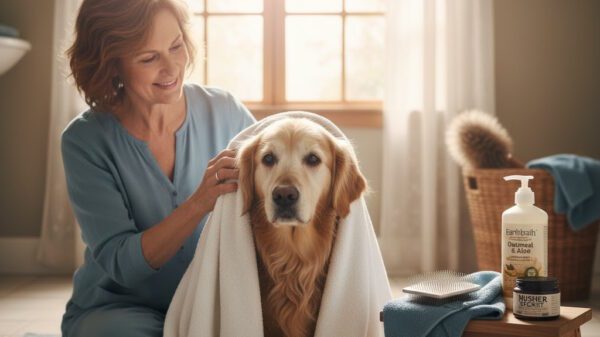
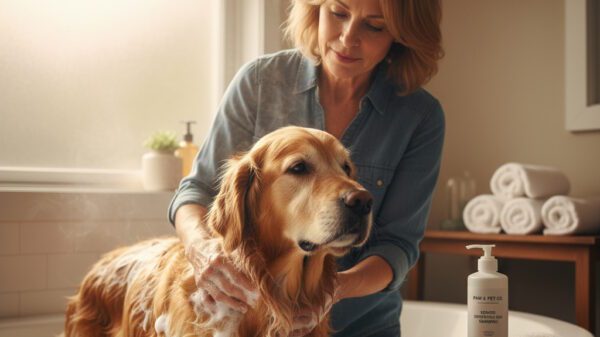
- Bathing: Use a high-quality, gentle, pH-balanced dog shampoo. For oily or yeasty skin, your vet might recommend a medicated shampoo. Follow the instructions carefully, allowing medicated shampoos to sit for the recommended time. Avoid harsh scrubbing, which can irritate sensitive senior skin. Rinse thoroughly, as shampoo residue can cause itching and flaking.
- Brushing: Regular brushing helps remove loose hair and dead skin cells, and distributes natural oils (if they are still being produced). It also provides an excellent opportunity to check for any new lumps, bumps, or irritated skin areas.
- Drying: Ensure your dog is completely dry after a bath, especially in skin folds, between toes, and under ears. Dampness can encourage the growth of yeast and bacteria, exacerbating the old dog smell.
- Professional Grooming: A professional groomer experienced with seniors can provide thorough bathing, drying, and often express anal glands if needed. They can also perform sanitary trims to keep the rear area clean and tidy.
Senior dogs often develop an altered gut microbiota, which can influence body odor and breath. Diets rich in omega-3 fatty acids, probiotics, and easily digestible proteins may help reduce systemic inflammation and associated odors.
4. Address Specific Odor Sources:
- Ears: If an ear infection is diagnosed, follow your vet’s prescribed treatment diligently (including ear cleaners and medications). For prevention, gently clean ears regularly with a vet-approved ear cleaner.
- Skin Infections: If bacterial or yeast infections are present, your vet will prescribe appropriate medications (antibiotics, antifungals, medicated wipes, or sprays).
- Anal Glands: If impacted, your vet or a groomer can express them. For recurrent issues, discuss dietary changes or more frequent expression.
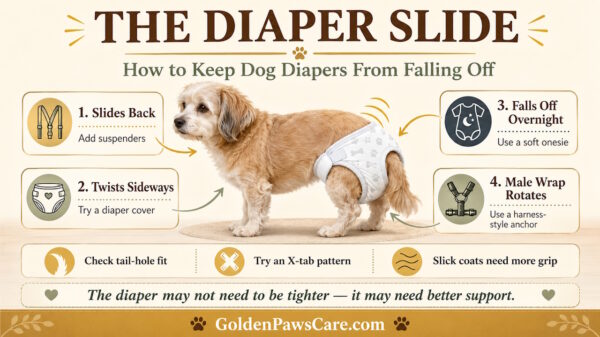
- Urinary Incontinence: If this is contributing to your senior dog’s odor, talk to your veterinarian. Some medications can help manage incontinence. Consider dog diapers or belly bands as temporary solutions, and ensure your dog’s bedding is cleaned regularly.
5. Environmental Control:
- Regular Bedding Washes: Your dog’s bed collects their scent, dander, and oils. Wash their bedding frequently (at least weekly) using a pet-safe detergent.
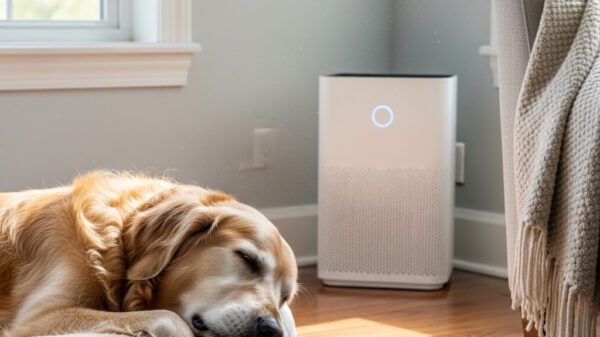
- Air Purifiers: A good-quality air purifier with a HEPA filter and activated charcoal can help remove airborne odors in your home.
- Vacuuming and Cleaning: Regularly cleaning carpets, upholstery, and floors where your dog spends time will help reduce ambient odors.
6. Dietary Support:
- A high-quality diet rich in Omega-3 fatty acids can support skin and coat health from the inside out, potentially reducing dryness and inflammation that contribute to odor. Some probiotic supplements can also support overall gut and skin health.
The Scent of Love: Embracing Their Golden Years
The unique scent of an older dog is inextricably linked to the wisdom of their years and the depth of your bond. While some changes are natural, a strong or unpleasant senior dog odor is often a solvable problem, not just a fact of aging. By approaching this issue with compassion, diligence, and the invaluable partnership of your veterinarian, you can significantly improve your senior dog’s comfort and health. It’s a testament to the comprehensive, loving care you provide, ensuring their golden years are as fresh, clean, and joyful as they deserve.